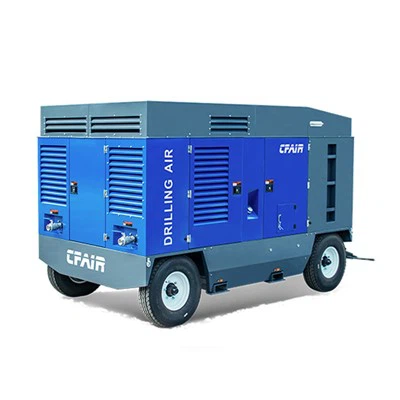
When it comes to gas compression, screw compressors have emerged as a popular choice due to their efficiency, reliability, and versatility. As a leading screw compressors supplier, we understand the importance of providing our customers with comprehensive information on the special considerations when using these machines for gas compression. In this blog post, we will delve into the key factors that need to be taken into account to ensure optimal performance and longevity of screw compressors in gas compression applications.
Gas Composition and Properties
One of the primary considerations when using screw compressors for gas compression is the composition and properties of the gas being compressed. Different gases have varying physical and chemical characteristics, which can significantly impact the performance and operation of the compressor. For instance, some gases may be corrosive, abrasive, or flammable, requiring special materials and design features to prevent damage to the compressor components.
Corrosive gases, such as hydrogen sulfide (H2S) and carbon dioxide (CO2), can cause rapid deterioration of the compressor's internal parts, leading to reduced efficiency and increased maintenance costs. In such cases, it is essential to select compressor materials that are resistant to corrosion, such as stainless steel or special coatings. Additionally, proper filtration and separation systems should be installed to remove any contaminants or moisture from the gas stream, further protecting the compressor from corrosion.
Abrasive gases, containing particles or dust, can also cause significant wear and tear on the compressor's rotors and bearings. To mitigate this issue, effective filtration systems should be employed to remove the abrasive particles before they enter the compressor. Regular maintenance and inspection of the filtration system are crucial to ensure its proper functioning and prevent any damage to the compressor.
Flammable gases, such as natural gas or propane, pose a significant safety risk during compression. Special safety measures must be implemented to prevent the ignition of the gas, including the use of explosion-proof electrical components, proper grounding, and the installation of safety relief valves. Additionally, the compressor should be designed and operated in accordance with relevant safety standards and regulations to minimize the risk of fire or explosion.
Operating Conditions
Another critical factor to consider when using screw compressors for gas compression is the operating conditions. The compressor's performance and efficiency can be significantly affected by factors such as temperature, pressure, and flow rate. Understanding and controlling these operating conditions is essential to ensure the reliable and efficient operation of the compressor.
Temperature plays a crucial role in the performance of screw compressors. High temperatures can cause the gas to expand, increasing the load on the compressor and reducing its efficiency. Additionally, excessive heat can damage the compressor's lubricants and seals, leading to increased wear and tear and potential breakdowns. To maintain optimal operating temperatures, proper cooling systems should be installed, such as air-cooled or water-cooled condensers. Regular monitoring of the compressor's temperature is also necessary to detect any abnormal temperature rises and take appropriate action.
Pressure is another important operating parameter that needs to be carefully controlled. Screw compressors are designed to operate within a specific pressure range, and exceeding this range can cause damage to the compressor components. Overpressure can lead to increased stress on the rotors, bearings, and seals, resulting in premature wear and failure. On the other hand, underpressure can cause the compressor to operate inefficiently, reducing its capacity and performance. To ensure proper pressure control, pressure sensors and regulators should be installed, and the compressor should be operated within the recommended pressure limits.


Flow rate is also a critical factor that affects the performance of screw compressors. The compressor's capacity is determined by its design and operating conditions, and it is essential to match the compressor's flow rate to the requirements of the gas compression process. If the flow rate is too high, the compressor may become overloaded, leading to reduced efficiency and potential damage. Conversely, if the flow rate is too low, the compressor may not be able to meet the demand, resulting in inadequate compression and reduced productivity. To optimize the flow rate, proper sizing of the compressor and the installation of flow control valves are necessary.
Lubrication and Maintenance
Proper lubrication is essential for the smooth and efficient operation of screw compressors. Lubricants play a crucial role in reducing friction and wear between the compressor's moving parts, preventing overheating, and sealing the compression chambers. However, the type and quality of lubricant used can have a significant impact on the compressor's performance and longevity.
When selecting a lubricant for screw compressors, it is important to consider the specific requirements of the gas compression application. Different gases may require different types of lubricants, depending on their chemical properties and compatibility with the compressor materials. For instance, some gases may react with certain lubricants, causing corrosion or degradation. Therefore, it is essential to choose a lubricant that is specifically formulated for the gas being compressed and the operating conditions of the compressor.
Regular maintenance of the lubrication system is also crucial to ensure its proper functioning. This includes regular oil changes, filter replacements, and inspections of the lubrication system components. Over time, the lubricant can become contaminated with dirt, debris, or moisture, reducing its effectiveness and potentially causing damage to the compressor. By following a regular maintenance schedule, the lubrication system can be kept in optimal condition, ensuring the reliable and efficient operation of the compressor.
In addition to lubrication, regular maintenance of the compressor itself is also necessary to prevent breakdowns and ensure its long-term reliability. This includes routine inspections, cleaning, and calibration of the compressor's components, as well as the replacement of any worn or damaged parts. By performing regular maintenance, potential issues can be detected and addressed before they become major problems, reducing downtime and maintenance costs.
System Design and Integration
The design and integration of the screw compressor system are also important considerations when using these machines for gas compression. A well-designed system can optimize the performance and efficiency of the compressor, while also ensuring its compatibility with the overall gas compression process.
When designing the compressor system, it is important to consider factors such as the gas source, the compression process requirements, and the desired output pressure and flow rate. The compressor should be properly sized and selected to meet the specific needs of the application, taking into account factors such as the gas composition, operating conditions, and any future expansion or changes in the process. Additionally, the system should be designed to minimize pressure drops, reduce energy consumption, and ensure the efficient transfer of the compressed gas.
Proper integration of the compressor with other components of the gas compression system is also crucial. This includes the installation of appropriate piping, valves, and control systems to ensure the smooth and efficient flow of the gas. The system should be designed to allow for easy access and maintenance of the compressor and its components, as well as to provide for any necessary safety features and monitoring devices.
Conclusion
In conclusion, using screw compressors for gas compression requires careful consideration of several factors, including gas composition and properties, operating conditions, lubrication and maintenance, and system design and integration. By understanding and addressing these factors, you can ensure the reliable and efficient operation of your screw compressor, minimizing downtime, reducing maintenance costs, and maximizing productivity.
As a leading screw compressors supplier, we offer a wide range of high-quality compressors and related products, including Compressor Machine for Construction, Compressor Portable, and High-Power Dual Portable Air Compressors. Our experienced team of engineers and technicians can provide you with expert advice and support to help you select the right compressor for your specific application and ensure its proper installation and operation.
If you are interested in learning more about our screw compressors or have any questions regarding gas compression, please do not hesitate to contact us. We look forward to the opportunity to discuss your needs and provide you with the best solutions for your gas compression requirements.
References
- "Screw Compressors: Principles and Practice" by Ian Hall
- "Gas Compression Handbook" by Klaus Brun and Allan M. Kovach
- "Compressor Technology Handbook" by Heinz P. Bloch and Fred K. Geitner