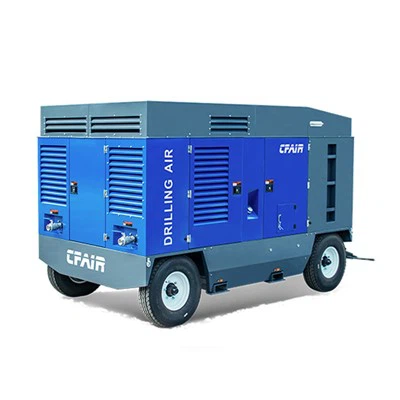
As a supplier of compressors for blasting, I understand the importance of energy efficiency in the operation of these machines. Compressors for blasting are widely used in various industries, such as construction, mining, and manufacturing, and consuming a significant amount of energy. Therefore, implementing energy-saving tips can not only reduce operational costs but also contribute to a more sustainable and environmentally friendly operation. In this blog, I will share some practical energy-saving tips for using a compressor for blasting.
Understand Your Compressor
The first step in energy-saving is to have a thorough understanding of your compressor. Different types of compressors have different energy consumption characteristics. For example, the Compressor Machine for Construction may have different energy requirements compared to the Diesel Screw Air Compressor. Familiarize yourself with the technical specifications of your compressor, including its power rating, efficiency curves, and recommended operating conditions. This knowledge will help you optimize its performance and reduce energy waste.
Proper Sizing
One of the most common mistakes is using an oversized compressor. An oversized compressor will run at a lower load, which is less efficient and can lead to increased energy consumption. On the other hand, an undersized compressor may struggle to meet the demand, resulting in continuous running and also higher energy use. Therefore, it's crucial to accurately calculate the required air volume and pressure for your blasting operations and select a compressor that matches these requirements. If you're unsure, consult with a professional or our technical support team to ensure you choose the right compressor size.
Regular Maintenance
Regular maintenance is essential for the efficient operation of a compressor. A well-maintained compressor will run more smoothly and consume less energy. Here are some key maintenance tasks:
- Filter Cleaning and Replacement: Air intake filters prevent dust and debris from entering the compressor. Clogged filters can restrict air flow, forcing the compressor to work harder and use more energy. Clean or replace the filters regularly according to the manufacturer's recommendations.
- Lubrication: Proper lubrication reduces friction and wear in the compressor's moving parts. Check the oil level regularly and change the oil as recommended. Using the correct type of lubricant is also important for optimal performance.
- Leak Detection and Repair: Air leaks can significantly increase energy consumption. Regularly inspect the compressor system for leaks, including hoses, fittings, and valves. Even small leaks can add up over time and waste a large amount of compressed air. Repair any leaks promptly to save energy.
Optimize Operating Pressure
Operating the compressor at the correct pressure is crucial for energy efficiency. Running the compressor at a higher pressure than necessary will increase energy consumption without providing additional benefits. Determine the minimum pressure required for your blasting operations and set the compressor to operate at this pressure. You can use pressure regulators and control systems to maintain a stable pressure and avoid unnecessary pressure fluctuations.
Use Variable Speed Drives (VSD)
If your compressor is equipped with a Variable Speed Drive, it can significantly improve energy efficiency. A VSD allows the compressor to adjust its motor speed according to the air demand. When the demand is low, the compressor can run at a lower speed, consuming less energy. When the demand increases, the compressor can speed up to meet the requirement. This flexibility ensures that the compressor operates at the most efficient level at all times. Consider upgrading your compressor with a VSD if it doesn't already have one.


Implement a Smart Control System
A smart control system can further optimize the operation of your compressor. It can monitor the air demand, compressor performance, and other parameters in real-time and make adjustments automatically. For example, it can start and stop the compressor based on the demand, adjust the pressure settings, and provide alerts for maintenance or potential problems. By using a smart control system, you can ensure that your compressor is always operating at its peak efficiency and reduce energy waste.
Optimize the Blasting Process
In addition to optimizing the compressor operation, you can also improve energy efficiency by optimizing the blasting process itself. Here are some tips:
- Use the Right Nozzle: Selecting the right nozzle for your blasting application is crucial. A nozzle with the correct size and shape can ensure efficient use of compressed air and reduce energy consumption. Consult with the nozzle manufacturer or our technical support team to choose the most suitable nozzle for your specific needs.
- Proper Distance and Angle: Maintaining the correct distance and angle between the nozzle and the workpiece is important for efficient blasting. A too-close or too-far distance can result in inefficient use of compressed air. Follow the manufacturer's recommendations for the optimal distance and angle to achieve the best blasting results with the least amount of energy.
- Batch Blasting: If possible, group your blasting jobs together and perform batch blasting. This can reduce the number of times the compressor needs to start and stop, which is more energy-efficient.
Consider the Installation Location
The installation location of the compressor can also affect its energy efficiency. Here are some factors to consider:
- Ventilation: Ensure the compressor is installed in a well-ventilated area. Proper ventilation helps to dissipate heat generated by the compressor, which can improve its efficiency. If the compressor is installed in a confined space, consider installing additional ventilation equipment.
- Temperature: Compressors operate more efficiently at lower temperatures. Try to install the compressor in a cool location, away from direct sunlight and heat sources. If necessary, use cooling systems to keep the compressor temperature within the recommended range.
- Noise and Vibration: Minimize the noise and vibration of the compressor by installing it on a stable and vibration-damping surface. Excessive noise and vibration can not only cause discomfort but also affect the compressor's performance and energy consumption.
Training and Education
Proper training and education of the operators are essential for energy-saving. Make sure your operators understand the importance of energy efficiency and are trained on how to operate the compressor correctly. Provide them with regular training on energy-saving tips, maintenance procedures, and safety precautions. Encourage them to report any potential problems or inefficiencies promptly.
Conclusion
Implementing energy-saving tips for using a compressor for blasting can bring significant benefits, including reduced operational costs, increased equipment lifespan, and a more sustainable operation. By understanding your compressor, proper sizing, regular maintenance, optimizing operating pressure, using VSD and smart control systems, optimizing the blasting process, considering the installation location, and providing training and education, you can achieve significant energy savings.
If you're interested in learning more about our Compressor Machine for Construction, Diesel Screw Air Compressor, or Towable Portable Air Compressor, or if you have any other questions or need assistance, please feel free to contact us for procurement and further discussions.
References
- Compressed Air and Gas Institute (CAGI). Best Practices for Compressed Air Systems.
- U.S. Department of Energy. Energy Efficiency and Renewable Energy: Compressed Air Systems.
- Manufacturer's manuals and technical documents for compressors and blasting equipment.