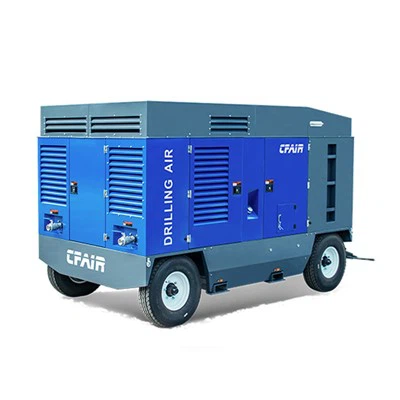
As a supplier of Screw Compressors, I often get asked about the startup procedure for these powerful machines. In this blog post, I'll walk you through the step-by-step process of starting a screw compressor, ensuring that you can operate it safely and efficiently.
Pre-Startup Checks
Before starting the screw compressor, it's crucial to conduct a series of pre-startup checks to ensure its proper functioning and prevent any potential issues. Here are the key steps to follow:


1. Visual Inspection
- Check the Compressor Unit: Inspect the compressor unit for any visible damage, such as leaks, loose connections, or signs of wear and tear. Pay special attention to the pipes, hoses, and fittings.
- Verify the Oil Level: Check the oil level in the compressor's oil reservoir. The oil level should be within the recommended range indicated on the sight glass or dipstick. If the oil level is low, add the appropriate type of oil as specified in the compressor's manual.
- Inspect the Air Filter: Examine the air filter to ensure it is clean and free from debris. A clogged air filter can restrict airflow and reduce the compressor's efficiency. If the air filter is dirty, replace it with a new one.
- Check the Belt Tension: If your screw compressor is belt-driven, check the belt tension. The belt should be tight enough to prevent slippage but not too tight to cause excessive wear on the belt or the pulleys. Refer to the compressor's manual for the correct belt tension specifications.
2. Electrical Checks
- Verify the Power Supply: Ensure that the compressor is connected to a suitable power supply with the correct voltage and frequency. Check the electrical connections for any loose or damaged wires.
- Inspect the Control Panel: Examine the control panel for any error messages or warning lights. Make sure all the switches and controls are in the correct position.
- Test the Safety Devices: Check the operation of the safety devices, such as the pressure relief valve, emergency stop button, and overload protection. These devices are designed to protect the compressor and the operator from potential hazards.
3. System Checks
- Open the Inlet and Outlet Valves: Ensure that the inlet and outlet valves of the compressor are fully open. This allows for proper airflow through the compressor.
- Drain the Moisture Trap: If your screw compressor is equipped with a moisture trap, drain the accumulated moisture from the trap. Moisture can cause corrosion and damage to the compressor's components.
- Check the Coolant Level: If your screw compressor is water-cooled, check the coolant level in the cooling system. The coolant level should be within the recommended range indicated on the coolant reservoir. If the coolant level is low, add the appropriate type of coolant as specified in the compressor's manual.
Startup Procedure
Once you have completed the pre-startup checks, you can proceed with the startup procedure. Here are the steps to follow:
1. Turn on the Power
- Switch on the Main Power Switch: Locate the main power switch on the compressor's control panel and turn it on. This will supply power to the compressor's electrical system.
- Wait for the Control Panel to Initialize: After turning on the main power switch, wait for the control panel to initialize. This may take a few seconds to a few minutes, depending on the compressor's model and configuration.
2. Start the Compressor
- Press the Start Button: Once the control panel has initialized, press the start button on the control panel to start the compressor. The compressor will start up and begin to build pressure.
- Monitor the Pressure Gauge: As the compressor starts up, monitor the pressure gauge on the control panel. The pressure should gradually increase to the desired operating pressure. If the pressure does not increase or if it exceeds the recommended operating pressure, stop the compressor immediately and check for any issues.
3. Check the Operation
- Listen for Any Abnormal Noises: While the compressor is running, listen for any abnormal noises, such as rattling, grinding, or squealing. Abnormal noises can indicate a problem with the compressor's components, such as the bearings, belts, or gears. If you hear any abnormal noises, stop the compressor immediately and investigate the cause.
- Check the Temperature: Monitor the temperature of the compressor's components, such as the motor, oil, and coolant. The temperature should be within the recommended operating range. If the temperature exceeds the recommended range, stop the compressor immediately and check for any issues.
- Inspect the Air Output: Check the air output of the compressor to ensure that it is clean and dry. If the air output contains moisture or debris, it may indicate a problem with the compressor's filtration system or the moisture trap.
Post-Startup Checks
After the compressor has been running for a few minutes, it's important to conduct a series of post-startup checks to ensure its continued proper functioning. Here are the key steps to follow:
1. Check the Oil Level
- Stop the Compressor: Turn off the compressor and allow it to cool down for a few minutes.
- Check the Oil Level Again: Check the oil level in the compressor's oil reservoir. The oil level should be within the recommended range indicated on the sight glass or dipstick. If the oil level is low, add the appropriate type of oil as specified in the compressor's manual.
2. Inspect the System for Leaks
- Check the Pipes and Fittings: Inspect the pipes and fittings for any signs of leaks. Look for any wet spots, drips, or puddles around the compressor. If you find any leaks, tighten the connections or replace the damaged components.
- Check the Seals and Gaskets: Examine the seals and gaskets for any signs of wear or damage. Replace any worn or damaged seals and gaskets to prevent leaks.
3. Monitor the Performance
- Record the Operating Parameters: Record the compressor's operating parameters, such as the pressure, temperature, and airflow. This will help you monitor the compressor's performance over time and detect any potential issues.
- Compare the Performance with the Specifications: Compare the compressor's performance with the specifications provided by the manufacturer. If the compressor's performance is not meeting the specifications, it may indicate a problem with the compressor or the system.
Conclusion
Starting a screw compressor requires careful preparation and attention to detail. By following the pre-startup checks, startup procedure, and post-startup checks outlined in this blog post, you can ensure that your screw compressor operates safely and efficiently. Remember to always refer to the compressor's manual for specific instructions and safety guidelines.
If you're in the market for a high-quality screw compressor, look no further than our Screw Compressors. We offer a wide range of screw compressors to meet your specific needs and requirements. Whether you need a Biggest Portable Air Compressor or a High-Power Dual Portable Air Compressors, we have the perfect solution for you.
If you have any questions or would like to discuss your compressor needs, please don't hesitate to contact us. Our team of experts is here to help you find the right compressor for your application and provide you with the support and service you deserve.
References
- Compressor Manufacturer's Manual
- Industry Standards and Guidelines