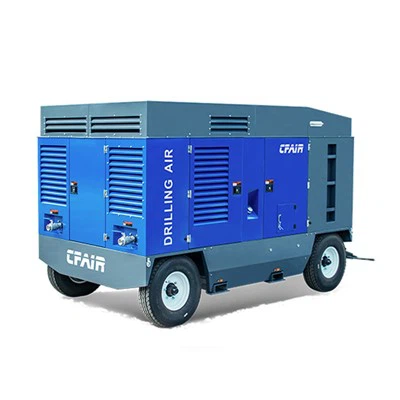
Hey there! As a supplier of Compressors for Blasting, I often get asked about the noise levels of these machines. It's a crucial aspect, especially when considering the working environment and the health of the operators. In this blog, I'll break down everything you need to know about the noise levels of compressors for blasting.
Why Noise Levels Matter
First off, let's talk about why noise levels are such a big deal. When you're using a compressor for blasting, it's usually in an industrial or construction setting. High noise levels can cause a range of problems. For one, it can be a major annoyance to the operators and anyone in the vicinity. Prolonged exposure to loud noise can also lead to hearing loss and other health issues. Moreover, in many areas, there are strict regulations regarding noise pollution, so keeping the noise levels in check is not just about comfort but also about compliance.


Factors Affecting Noise Levels
There are several factors that can influence the noise levels of compressors for blasting.
Type of Compressor
The type of compressor plays a significant role. For example, reciprocating compressors tend to be noisier than rotary screw compressors. Reciprocating compressors have pistons that move back and forth, creating a lot of mechanical noise. On the other hand, rotary screw compressors use two interlocking screws to compress the air, which generally results in a smoother and quieter operation.
Power and Capacity
The power and capacity of the compressor also matter. Generally, larger and more powerful compressors will produce more noise. This is because they have bigger motors and components that need to work harder to compress the air. If you're working in a small space or a noise - sensitive area, you might want to consider a smaller - capacity compressor.
Design and Build Quality
The design and build quality of the compressor can have a huge impact on noise levels. Compressors with good sound insulation and vibration - dampening features will be quieter. A well - built compressor will also have fewer rattles and vibrations, which can contribute to the overall noise.
Measuring Noise Levels
Noise levels are measured in decibels (dB). A normal conversation is usually around 60 dB, while a lawnmower can be around 90 dB. Compressors for blasting can range from around 70 dB to over 100 dB, depending on the factors mentioned above.
To put it in perspective, exposure to noise levels above 85 dB for an extended period can start to cause hearing damage. So, if your compressor is producing noise levels close to or above this threshold, it's important to take precautions.
Reducing Noise Levels
As a supplier, I know that reducing noise levels is a top priority for many of our customers. Here are some ways to achieve this:
Enclosures
One of the most effective ways to reduce noise is by using an enclosure. An enclosure can be made of sound - absorbing materials and can significantly reduce the amount of noise that escapes from the compressor. Many of our Portable Diesel Air Compressors come with optional enclosures that can cut down the noise levels by a substantial amount.
Vibration Isolation
Vibration isolation mounts can be used to reduce the noise caused by vibrations. These mounts absorb the vibrations and prevent them from being transmitted to the surrounding area. By reducing vibrations, you can also reduce the overall noise level of the compressor.
Regular Maintenance
Regular maintenance is crucial for keeping the noise levels down. A well - maintained compressor will run more smoothly and quietly. Make sure to check and replace worn - out parts, clean the air filters, and lubricate the moving parts as recommended by the manufacturer.
Noise Levels in Different Applications
The noise levels of compressors for blasting can vary depending on the application.
Construction Sites
On construction sites, noise is often a major concern. Workers are exposed to multiple sources of noise, and the compressor for blasting is just one of them. Our Compressor Machine for Construction is designed to be as quiet as possible while still providing the necessary power. However, it's still important to use hearing protection on the site.
Industrial Blasting
In industrial blasting applications, the compressor is usually part of a larger system. The noise levels can be higher due to the continuous operation and the larger size of the compressors. But with proper noise - reduction measures, such as enclosures and vibration isolation, the noise can be managed effectively.
Choosing the Right Compressor Based on Noise Levels
When choosing a compressor for blasting, it's important to consider the noise levels. If you're working in a residential area or a noise - sensitive environment, you'll want to look for a compressor with lower noise levels. Our Portable Diesel Powered Air Compressor is a great option for those who need a portable and relatively quiet compressor.
Conclusion
In conclusion, the noise levels of compressors for blasting are an important factor to consider. By understanding the factors that affect noise levels, measuring the noise, and taking steps to reduce it, you can ensure a safer and more comfortable working environment. As a supplier, we're committed to providing high - quality compressors that meet your needs while keeping the noise levels in check.
If you're in the market for a compressor for blasting and have questions about noise levels or any other aspect, don't hesitate to reach out. We're here to help you make the right choice for your specific application. Let's start a conversation and find the perfect compressor for you!
References
- Industrial Noise Control Handbook
- OSHA Guidelines on Noise Exposure in the Workplace