

HANGZHOU CAIFULL PRECISION MACHINERY CO., LTD is the world's premier manufacturer dedicated to the research, development, production, and sales of engine-driven air compressors. Our product line encompasses a comprehensive range of diesel screw air compressors, including Box Type, Portable Type, After Cooler Series, High Pressure Series, and Oil-Free Series.
Professional Team
The CFAIR team comprises industry-leading experts and seasoned professionals with extensive experience in technology, management, sales, and production. With over 45 years of technical expertise in the design and manufacture of screw air compressors, we have successfully developed more than 20,000 diesel screw air compressors.
Customized Solutions
We excel in providing customized solutions by actively engaging with customers to understand their needs and delivering high-quality products that align with market demands through continuous technological innovation and market feedback.
Quality Assurance
To ensure the superior quality of our sheet metal components, we implement stringent controls at every stage of production, guaranteeing both the durability and corrosion resistance of our air compressors.
Timely Delivery
We are committed to prompt delivery, ensuring that customers receive our high-quality air compressor products on schedule to meet their urgent requirements.
-
![Jack Hammer Air]() Jack Hammer AirModel: Q8T. Werght: 8 kg. Air Consumption: 16.95 cfm. Percussive Frequency: 1560 b.p.m. Air Tube Size: 3/8. Bit Head Size: 18x60 mm. Length: 570 mm. . The Jack Hammer Air tool is an excellent
Jack Hammer AirModel: Q8T. Werght: 8 kg. Air Consumption: 16.95 cfm. Percussive Frequency: 1560 b.p.m. Air Tube Size: 3/8. Bit Head Size: 18x60 mm. Length: 570 mm. . The Jack Hammer Air tool is an excellent -
![Air Jack Compressor]() Air Jack CompressorModel: Q8D. Werght: 7.7 kg. Air Consumption: 16.95 cfm. Percussive Frequency: 1560 b.p.m. Air Tube Size: 3/8. Bit Head Size: 18x60 mm. Length: 760 mm. . An air compressor for jack hammer use is
Air Jack CompressorModel: Q8D. Werght: 7.7 kg. Air Consumption: 16.95 cfm. Percussive Frequency: 1560 b.p.m. Air Tube Size: 3/8. Bit Head Size: 18x60 mm. Length: 760 mm. . An air compressor for jack hammer use is -
![Portable Jack Hammer]() Portable Jack HammerModel: Q6T. Werght: 5.5 kg. Air Consumption: 9.96 cfm. Percussive Frequency: 1800 b.p.m. Air Tube Size: 3/8. Bit Head Size: 18x60 mm. Length: 820 mm. . The portable jack hammer is a versatile and
Portable Jack HammerModel: Q6T. Werght: 5.5 kg. Air Consumption: 9.96 cfm. Percussive Frequency: 1800 b.p.m. Air Tube Size: 3/8. Bit Head Size: 18x60 mm. Length: 820 mm. . The portable jack hammer is a versatile and -
![Jack Hammer And Compressor]() Jack Hammer And CompressorModel: Q6D. Werght: 5.2 kg. Air Consumption: 9.96 cfm. Percussive Frequency: 1800 b.p.m. Air Tube Size: 3/8. Bit Head Size: 18x60 mm. Length: 820 mm. . Pairing the jack hammer and compressor with
Jack Hammer And CompressorModel: Q6D. Werght: 5.2 kg. Air Consumption: 9.96 cfm. Percussive Frequency: 1800 b.p.m. Air Tube Size: 3/8. Bit Head Size: 18x60 mm. Length: 820 mm. . Pairing the jack hammer and compressor with -
![Compressor with Jackhammer]() Compressor with JackhammerModel: C6B. Werght: 4.4 kg. Air Consumption: 40.26 cfm. Percussive Frequency: 2100 b.p.m. Air Tube Size: 3/4. Bit Head Size: 17.5x60 mm. Length: 335 mm. . The compressor with jackhammer setup, such
Compressor with JackhammerModel: C6B. Werght: 4.4 kg. Air Consumption: 40.26 cfm. Percussive Frequency: 2100 b.p.m. Air Tube Size: 3/4. Bit Head Size: 17.5x60 mm. Length: 335 mm. . The compressor with jackhammer setup, such -
![Air Compressor Hammer]() Air Compressor HammerModel: C6A. Werght: 6.7 kg. Air Consumption: 44.50 cfm. Percussive Frequency: 1920 b.p.m. Air Tube Size: 3/4. Bit Head Size: 17.5x60 mm. Length: 565 mm. . As a professional-grade air compressor
Air Compressor HammerModel: C6A. Werght: 6.7 kg. Air Consumption: 44.50 cfm. Percussive Frequency: 1920 b.p.m. Air Tube Size: 3/4. Bit Head Size: 17.5x60 mm. Length: 565 mm. . As a professional-grade air compressor -
![Pneumatic Spade Shovel]() Pneumatic Spade ShovelModel: C4. Werght: 5.7 kg. Air Consumption: 38.14 cfm. Percussive Frequency: 2400 b.p.m. Air Tube Size: 3/4. Bit Head Size: 17.5x60 mm. Length: 325 mm. . The pneumatic spade shovel is an excellent
Pneumatic Spade ShovelModel: C4. Werght: 5.7 kg. Air Consumption: 38.14 cfm. Percussive Frequency: 2400 b.p.m. Air Tube Size: 3/4. Bit Head Size: 17.5x60 mm. Length: 325 mm. . The pneumatic spade shovel is an excellent -
![Pneumatic Shovel]() Pneumatic ShovelModel: C3. Werght: 3.5 kg. Air Consumption: 31.78 cfm. Percussive Frequency: 2700 b.p.m. Air Tube Size: 3/4. Bit Head Size: 17.5x60 mm. Length: 300 mm. . The pneumatic shovel C3 pneumatic chisel
Pneumatic ShovelModel: C3. Werght: 3.5 kg. Air Consumption: 31.78 cfm. Percussive Frequency: 2700 b.p.m. Air Tube Size: 3/4. Bit Head Size: 17.5x60 mm. Length: 300 mm. . The pneumatic shovel C3 pneumatic chisel -
![Air Rock Drill]() Air Rock DrillModel: YT-28. Werght: 26 kg. Air Consumption: 122.90 cfm. Percussive Frequency: 2100 b.p.m. Air Tube Size: 1. Bit Head Size: R22x108 mm. Inner Diameter Of Water Pipe: 13 mm. . As a professional Air
Air Rock DrillModel: YT-28. Werght: 26 kg. Air Consumption: 122.90 cfm. Percussive Frequency: 2100 b.p.m. Air Tube Size: 1. Bit Head Size: R22x108 mm. Inner Diameter Of Water Pipe: 13 mm. . As a professional Air -
![Air Powered Rock Drill]() Air Powered Rock DrillModel: YT-24. Werght: 24 kg. Air Consumption: 118.66 cfm. Percussive Frequency: 1860 b.p.m. Air Tube Size: 3/4. Bit Head Size: R22x108 mm. Inner Diameter Of Water Pipe: 13 mm. . The Air Powered
Air Powered Rock DrillModel: YT-24. Werght: 24 kg. Air Consumption: 118.66 cfm. Percussive Frequency: 1860 b.p.m. Air Tube Size: 3/4. Bit Head Size: R22x108 mm. Inner Diameter Of Water Pipe: 13 mm. . The Air Powered -
![Pneumatic Rock Drill]() Pneumatic Rock DrillModel: Y-20. Werght: 18 kg. Air Consumption: 52.97 cfm. Percussive Frequency: 1800 b.p.m. Air Tube Size: 3/4. Bit Head Size: R22x108 mm. Inner Diameter Of Water Pipe: 13 mm. . The Pneumatic Rock
Pneumatic Rock DrillModel: Y-20. Werght: 18 kg. Air Consumption: 52.97 cfm. Percussive Frequency: 1800 b.p.m. Air Tube Size: 3/4. Bit Head Size: R22x108 mm. Inner Diameter Of Water Pipe: 13 mm. . The Pneumatic Rock -
![Rock Drill]() Rock DrillModel: Y-18. Werght: 18 kg. Air Consumption: 52.97 cfm. Percussive Frequency: 1800 b.p.m. Air Tube Size: 3/4. Bit Head Size: R22x108 mm. Inner Diameter Of Water Pipe: 13 mm. . The Rock Drill Y-18
Rock DrillModel: Y-18. Werght: 18 kg. Air Consumption: 52.97 cfm. Percussive Frequency: 1800 b.p.m. Air Tube Size: 3/4. Bit Head Size: R22x108 mm. Inner Diameter Of Water Pipe: 13 mm. . The Rock Drill Y-18


Specification of Pneumatic Tools
|
Model |
C6B |
C6A |
C4 |
C3 |
G-16 |
G-15 |
|
Werght |
4.4 kg |
6.7 kg |
5.7 kg |
3.5 kg |
14 kg |
11 kg |
|
Air Consumption |
40.26 cfm |
44.50 cfm |
38.14 cfm |
31.78 cfm |
59.33 cfm |
59.33 cfm |
|
Percussive Frequency |
2100 b.p.m |
1920 b.p.m |
2400 b.p.m |
2700 b.p.m |
960 b.p.m |
960 b.p.m |
|
Air Tube Size |
3/4" |
3/4" |
3/4" |
3/4" |
3/4" |
3/4" |
|
Bit Head Size |
17.5x60 mm |
17.5x60 mm |
17.5x60 mm |
17.5x60 mm |
24x70 mm |
24x70 mm |
|
Length |
335 mm |
565 mm |
325 mm |
300 mm |
580 mm |
580 mm |
Types of Pneumatic Tools
The pneumatic tools produced by our company mainly include the following types
Air Jack Compressor
An air compressor for jack hammer use is crucial, especially with the Q8D pneumatic shovel, known for its outstanding performance. At 7.7 kg, it provides exceptional stability and precision control during intense operations.
Pneumatic Spade Shovel
The pneumatic spade shovel is an excellent and well-designed pneumatic tool. Weighing 5.7 kg, it offers a balance of operational stability and portability, allowing construction workers to move and use it flexibly across various working environments.


Pneumatic Rock Drill
The Pneumatic Rock Drill Y-20 is a well-designed, powerful, professional-grade drilling machine. Weighing 18 kg, its weight distribution provides excellent balance during operation, allowing operators to easily control the equipment, ensuring precise positioning and efficient operation even in complex working environments.
Jackhammers
The Jackhammers G-15 ordinary model is a handheld operating equipment with excellent performance. It weighs 11 kg, which ensures operational stability while also being portable, making it convenient for construction workers to operate flexibly.
Applications of Pneumatic Tools
Automotive Industry
Pneumatic tools play a crucial role in vehicle assembly, maintenance, and repair. Tools such as air impact wrenches, air drills, and tire inflations are used for:
● Tightening bolts and assembling auto parts
● Efficiently repairing engines and mechanical components
● Maintaining tire pressure and ensuring driving safety
Construction
Construction projects rely heavily on air-powered tools to reduce physical effort and increase efficiency. Common applications include:
● Framing and carpentry using nail guns and air drills
● Demolition work with pneumatic hammers
● Concrete applications with air compressors and spray tools
Manufacturing
Pneumatic tools are indispensable in assembly lines and production plants. They provide the speed and reliability needed for high-volume manufacturing. Common tools include:
● Air screwdrivers for fast and accurate assembly
● Rivet guns and air die grinders for finishing and surface treatment
● Air-operated machines for maintaining factory equipment
Carpentry & Woodworking
Woodworkers use pneumatic tools such as air sandblasters, air sprayers, and air sanders for precise and efficient work. Benefits include:
● Fastening components with air-powered nailers
● Creating smooth finishes with air sanders and polishers
● Painting and finishing with pneumatic spray guns
Mining
Pneumatic tools withstand the harsh conditions of mining operations. Essential tools include:
● Rock drills for excavation and drilling
● Air-powered hammers for breaking tough surfaces
● Pneumatic pumps for moving materials efficiently

• Use the right tool for the job and review the manufacturer’s instructions before using any tool.
• Do not operate the tool at a pressure above the manufacturer’s rating.
• Wear safety glasses or a face shield, safety shoes or boots, and hearing protection.
• Set up screens or shields in areas where nearby workers may be exposed to flying fragments, chips, dust, and excessive noise.
• Ensure that the compressed air supplied to the tool is clean and dry. Dust, moisture, and corrosive fumes can damage a tool. An in-line filter, regulator, and lubricator may increase the life of the tool.
• Keep tools clean, lubricated, and maintained according to the manufacturer’s instructions.
• Disconnect tools when not in use, before servicing, when clearing a jammed fastener, and when changing accessories such as bits and cutters.
• Use only the attachments that the manufacturer recommends for the tools you are using.
• Attachments, such as chisels on a chipping hammer should be secured with a safety clip or retainer to prevent them from being unintentionally ejected during tool operation.
• Make sure that the tool is fastened securely to the hose. A short wire or positive locking device attaching the air hose to the tool serves as an added safeguard.
• Reduce physical fatigue by supporting tools with a counterbalance whenever possible.
Storing Pneumatic Tools: The Do’s and the Don’ts
Do Clean Pneumatic Tools Before You Store Them
Dirt, debris and oil build-up can cause wear that leads to damage of pneumatic nailers and staplers. To minimize the likelihood of this happening, wipe down tools with a clean cloth after each use, paying special attention to the feed system. If you use a cleaner, make sure it’s formulated for your brand of nail gun or stapler or it may damage critical parts.
Do Store in a Cool, Dry Place
As mentioned above, moisture and high humidity associated with extreme temperatures are not good for pneumatic nailers and staplers and their internal components. Another good practice is to store them away from the elements, so they’re not exposed to extremely warm or cold temperatures over a sustained period of time.
Do Use Racks or Cases That Keep Tools out of Harm’s Way
Hanging pneumatic nailers and staplers on wall racks or storing them in cases is the best way to keep them away from moisture or unnecessary bumps or other physical damage. There are a variety of rack holders and storage boxes available online for the weekend warrior to the large construction contractor or industrial user.
Do Lubricate Regularly
Prior to lubricating your tool, recommends consulting the operating manual to learn the proper maintenance procedures. Applying lubricants to these tools can damage internal components, leading to costly and time-consuming repairs.
Don’t Lubricate Nails Guns and Staplers with Just Any Off-the-Shelf Product
Petroleum-based oils are a no-no as they can damage rubber-based tool parts, such as O-rings. Most manufacturers, offer proprietary lubricants, specifically designed for their product – and even solutions for especially harsh environments such as high-moisture areas.
Don’t Leave Pneumatic Tools Connected to Their Air Supply
Always disconnect the air compressor from your pneumatic nailer or stapler when the tool is not in use. This will prevent accidental activation, pressure build-up, and potential damage. Also, secure any tool attachments such as bits, couplers and plugs.
Don’t Carelessly Coil Air Hoses
Storing a pneumatic tool air hose improperly can cause loops, tangles, kinks and, ultimately, sub-optimal air pressure with future use. The proper way to coil an air hose is to make one regular coil and take the next coil and put a half-turn in it and repeat until done. You might also want to consider a hybrid air hose for maximum flexibility and durability.
Customization Process of Pneumatic Tools
Planning and Designing Your Custom Setup
Begin with a clear plan that outlines your specific needs, the tasks you’ll be performing, and the layout of your work environment. This plan will guide your selections and configurations.
Assembly and Configuration Tips
When assembling your setup, follow manufacturer instructions closely. Use the correct fittings, secure all connections tightly, and ensure all components are correctly aligned and positioned for optimal performance and safety.
Testing and Fine-Tuning Your Setup
After assembly, test your setup under controlled conditions. Check for air leaks, test tool performance, and make any necessary pressure settings or configuration adjustments to ensure everything operates as expected.
Packaging and Shipping
|
Packaging |
1. Standard exporting package 2. Cartons packed with wooden pallet 3. Can be customized according to customer requirements |
|
Shipping |
We will help you to choose the best shipping way according to your detail requirements. By sea, by air, or by express, etc. |
Our Factory
Jiangxi Gas Compressor Factory began as Ganzhou Machinery Factory after the public-private partnership in 1951. It was renamed Ganzhou Machinery Factory in 1955, Gannan General Machinery Factory in 1958, and Jiangxi Gas Compressor Factory in 1969. Jiangxi Gas Compressor Factory was always at the forefront of the industry in terms of technical strength in the 1970s and 1980s. As a result, the First Ministry of Machinery Industry at that time designated Jiangxi Gas Compressor Factory to conduct research and production of many new models.
Honor And Qualification


We're professional pneumatic tools manufacturers and suppliers in China, specialized in providing high quality custom service. We warmly welcome you to wholesale high-grade pneumatic tools from our factory.
Air Powered Demolition Hammer, Mining Air Compressor For Sale, pneumatic drilling bitsPopular Products

Free Air Delivery: 120 cfm 3.3 m³/min...

Free Air Delivery: 185 cfm 5.4 m³/min...

Free Air Delivery: 300 cfm 8.4 m³/min...
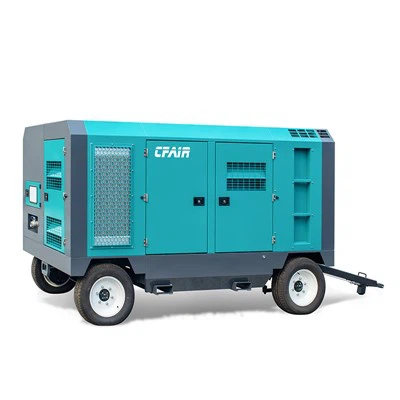
Free Air Delivery: 850 cfm 23.9 m³/min...

Free Air Delivery: 850 cfm 22 m³/min...

Free Air Delivery: 1150 cfm 32.3 m³/min...