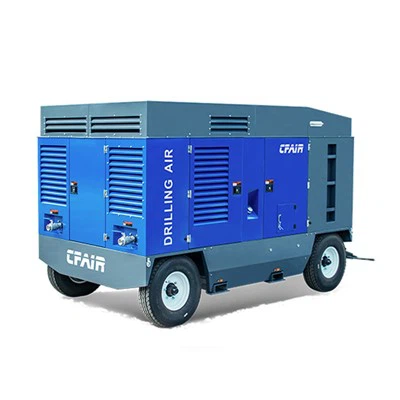
Hey there! As a supplier of Mobile Diesel Compressors, I often get asked a bunch of questions, and one that pops up quite a bit is, "Can a mobile diesel compressor be used in cold weather?" Well, let's dig into this topic and find out the answers.
First off, let's understand what a Mobile Diesel Compressor is. If you're not too familiar, you can check out Mobile Diesel Compressor. These compressors are super handy. They're portable, which means you can take them to different job sites, and they're powered by diesel engines. That gives them a lot of power and reliability, making them a go - to choice for many industries like construction, mining, and oil and gas.
Now, when it comes to cold weather, things can get a bit tricky. Diesel engines, which are the heart of mobile diesel compressors, have some unique characteristics in low - temperature conditions. Diesel fuel has a property called the cloud point. When the temperature drops below this cloud point, wax crystals start to form in the fuel. These wax crystals can clog the fuel filters and injectors, which is a real headache because it can prevent the engine from running properly.
Another issue is the battery. Cold weather can reduce the battery's capacity and its ability to deliver power. A weak battery might not be able to start the diesel engine, leaving your compressor sitting there useless. And let's not forget about the oil. In cold temperatures, oil becomes thicker. Thick oil can't flow as easily through the engine, which can cause increased wear and tear on the engine components and also make it harder for the engine to start.
But don't worry, just because there are these challenges doesn't mean you can't use a mobile diesel compressor in cold weather. There are several things you can do to make it work.
One of the first steps is to use a winter - grade diesel fuel. This type of fuel has a lower cloud point, which means it's less likely to form wax crystals in cold temperatures. You can usually find winter - grade diesel at gas stations during the colder months. It might cost a bit more, but it's definitely worth it to keep your compressor running smoothly.
Taking care of the battery is also crucial. You can use a battery warmer or a trickle charger. A battery warmer keeps the battery at a more optimal temperature, while a trickle charger slowly charges the battery, ensuring it has enough power to start the engine. And make sure to check the battery terminals regularly for corrosion. Clean them if necessary to maintain a good electrical connection.
As for the oil, switch to a low - viscosity oil. Low - viscosity oil flows more easily in cold weather, reducing the strain on the engine during startup. You can refer to the compressor's manual to find out the recommended oil type for cold conditions.
Now, let's talk about some other aspects of using a mobile diesel compressor in cold weather. The air intake is another area that needs attention. Cold air is denser than warm air, and this can affect the compressor's performance. Some compressors come with air intake heaters that can warm up the incoming air, improving the combustion process in the engine.
Also, proper insulation can make a big difference. You can insulate the compressor's engine compartment to help retain heat. There are special insulation materials available in the market that are designed for this purpose. This insulation can help keep the engine warm and reduce the impact of the cold on the engine components.
If you're looking for a more general type of compressor that can also be used in various conditions, you might want to check out A Portable Air Compressor. It offers different features and can be a great alternative depending on your needs. And for those who are interested in engine - driven compressors, Engine Drive Air Compressor is also worth a look.
In addition to the technical solutions, there are some operational things you can do. Before starting the compressor in cold weather, let it sit for a while to warm up a bit. You can also pre - heat the engine using an engine block heater if your compressor is equipped with one. This can significantly reduce the startup time and stress on the engine.
During operation, keep an eye on the compressor's gauges. Check the oil pressure, fuel level, and temperature regularly. If you notice any abnormal readings, it's better to stop the compressor and investigate the issue right away. This can prevent more serious problems from occurring.


After you're done using the compressor, it's important to take proper care of it. Drain any water that might have accumulated in the compressor's air tank. Water can freeze in cold temperatures and cause damage to the tank and other components. And make sure to store the compressor in a sheltered area if possible.
So, to sum it up, yes, a mobile diesel compressor can be used in cold weather, but you need to take some extra precautions. By using the right fuel, taking care of the battery and oil, and following some operational and maintenance tips, you can ensure that your compressor works well even in the coldest of conditions.
If you're in the market for a mobile diesel compressor or have any questions about using them in cold weather, don't hesitate to reach out. We're here to help you find the best solution for your needs. Whether you're a small - scale contractor or a large - scale industrial company, we've got the expertise and the products to meet your requirements. Contact us for more information and let's start a conversation about how we can get you the right compressor for your projects.
References
- Diesel Engine Handbook: Covers the basic principles of diesel engines and their performance in different conditions.
- Compressor Manufacturer's Manuals: Provide specific information about the operation and maintenance of mobile diesel compressors in cold weather.