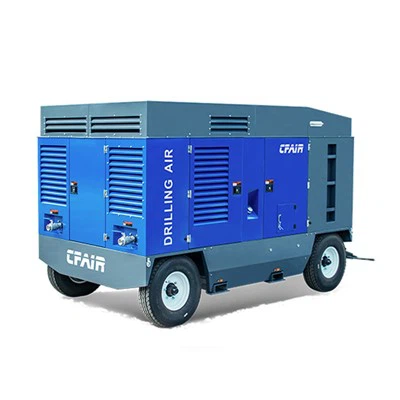
Hey there! As a supplier of towable air compressors, I often get asked, "Which is better, single - stage or two - stage towable air compressor?" It's a great question, and in this blog, I'm gonna break it down for you.
Understanding the Basics
First off, let's understand what single - stage and two - stage towable air compressors are. A single - stage air compressor is pretty straightforward. It has one piston that compresses the air in a single stroke and then sends it into the storage tank. On the other hand, a two - stage air compressor has two pistons. The first piston compresses the air part - way, and then the second piston takes that pre - compressed air and compresses it further before it goes into the tank.
Performance and Power
When it comes to performance, the two types have some significant differences. Single - stage compressors are generally less powerful in terms of the maximum pressure they can achieve. They usually top out at around 135 - 150 psi. This makes them suitable for light - to medium - duty tasks like inflating tires, powering small pneumatic tools such as nail guns, and some light sandblasting jobs.
If you're just a DIY enthusiast working on small home projects, a single - stage towable air compressor might be all you need. It's simple, easy to operate, and relatively affordable. And since it has fewer moving parts, there's less that can go wrong, which means lower maintenance costs in the long run.
However, if you're dealing with heavy - duty tasks, a two - stage air compressor is the way to go. These bad boys can reach much higher pressures, often up to 175 - 200 psi or even more. With this extra pressure, they can power larger and more demanding pneumatic tools like jackhammers, impact wrenches, and large sandblasters. Construction sites, industrial workshops, and mining operations Mining Compressor often rely on two - stage towable air compressors because of their high - performance capabilities.
Efficiency and Energy Consumption
Another important factor to consider is efficiency and energy consumption. Single - stage compressors are generally less efficient when it comes to energy use. Since they compress the air in one go, they have to work harder to reach the desired pressure. This means they use more electricity or fuel (if it's a diesel - powered unit), which can add up over time.
Two - stage air compressors, on the other hand, are more energy - efficient. The two - step compression process allows them to compress the air more gradually, which reduces the amount of work the compressor has to do. This results in lower energy consumption, which is not only better for your wallet but also more environmentally friendly.
For example, if you have a large - scale operation that requires continuous use of compressed air, a two - stage Mobile Diesel Air Compressor can save you a significant amount of money on fuel costs over the life of the compressor.
Size and Portability
When it comes to size and portability, single - stage towable air compressors are usually smaller and lighter. They're easier to tow around, especially if you're using a smaller vehicle. This makes them a great choice for contractors who need to move their equipment from one job site to another frequently.
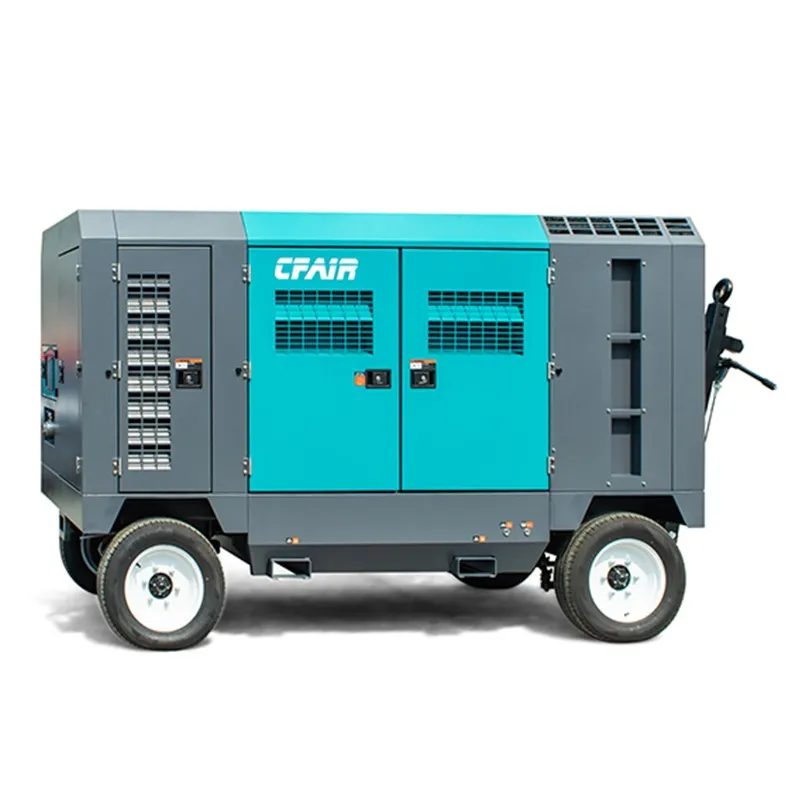
Two - stage air compressors, due to their more complex design and larger components, are generally bigger and heavier. However, many modern two - stage towable air compressors are designed with portability in mind. They come with features like sturdy wheels, easy - to - use hitches, and compact designs to make them as easy to transport as possible.
If you're working in a remote location or need to move your compressor across rough terrain, you'll want to make sure that the towable air compressor you choose is suitable for the conditions. Some models are specifically designed for off - road use and can handle bumps and uneven ground without a problem.
Maintenance and Durability
Maintenance is an important aspect to consider when choosing between single - stage and two - stage towable air compressors. As mentioned earlier, single - stage compressors have fewer moving parts, which means there's less to maintain. They usually just require basic maintenance like regular oil changes (if it's an oil - lubricated model), checking the air filters, and inspecting the belts and hoses.
Two - stage air compressors, with their more complex design, require a bit more maintenance. In addition to the basic maintenance tasks, you also need to pay attention to the intercooler (which cools the air between the two compression stages) and the valves in the second compression stage. However, if you take good care of your two - stage compressor, it can last for a long time and provide reliable service.
In terms of durability, two - stage air compressors are generally more robust. They're built to handle the high pressures and heavy - duty use that comes with industrial applications. If you're planning to use your compressor for a long time and for demanding tasks, investing in a high - quality two - stage Large Air Compressors is a smart choice.
Cost
Cost is always a factor when making a purchasing decision. Single - stage towable air compressors are generally more affordable upfront. They're a great option if you're on a tight budget or if you only need a compressor for occasional use.
Two - stage air compressors, on the other hand, are more expensive. The cost of the compressor itself is higher, and you also need to factor in the potentially higher maintenance costs. However, when you consider the long - term savings in energy costs and the ability to handle heavy - duty tasks, the higher upfront cost can be worth it.
Making the Right Choice
So, which is better, single - stage or two - stage towable air compressor? Well, it depends on your specific needs. If you're a DIYer or a small - scale contractor doing light - to medium - duty tasks, a single - stage air compressor is a great choice. It's affordable, easy to maintain, and suitable for most of your needs.
But if you're in the construction, industrial, or mining industry and need to power large pneumatic tools or run continuous operations, a two - stage air compressor is the way to go. It offers higher performance, better energy efficiency, and greater durability.
If you're still not sure which type of towable air compressor is right for you, don't hesitate to reach out. We're here to help you make the best decision based on your unique requirements. Whether you need more information, a quote, or want to discuss your specific needs, we're just a message or a call away. Let's work together to find the perfect towable air compressor for your business.

References
- Compressed Air and Gas Institute (CAGI) - Industry standards and technical resources on air compressors.
- Pneumatic Equipment Manufacturers Association (PEMA) - Information on pneumatic tools and their compatibility with air compressors.