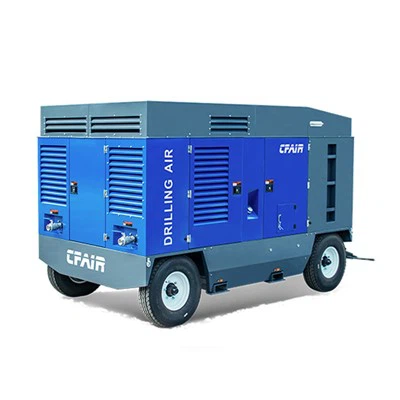
Portable air compressors are essential tools in various industries, from construction sites to automotive repair shops. Over time, parts of these compressors may wear out or become damaged, necessitating replacement. As a trusted supplier of Air Compressors Portable, I understand the importance of maintaining the optimal performance of these machines. In this blog, I'll guide you through the process of replacing parts of a portable air compressor, ensuring that your equipment continues to operate efficiently.
Understanding Your Portable Air Compressor
Before you start replacing any parts, it's crucial to have a good understanding of your portable air compressor. Different models may have unique designs and components, so familiarize yourself with the user manual. This document provides detailed information about the compressor's specifications, maintenance requirements, and the location of various parts.
Portable air compressors typically consist of several key components, including the motor, pump, pressure switch, tank, and hoses. Each part plays a vital role in the compressor's operation, and any malfunction can affect its performance. For instance, a faulty pressure switch may cause the compressor to run continuously or fail to start, while a worn-out pump can lead to reduced air pressure.


Safety First
Replacing parts of a portable air compressor involves working with mechanical and electrical components, so safety should be your top priority. Before you begin, make sure to turn off the compressor and unplug it from the power source. If the compressor has a gas engine, allow it to cool down completely to avoid burns.
Wear appropriate safety gear, such as safety glasses, gloves, and protective clothing, to prevent injuries. Additionally, use the right tools for the job to ensure a proper and safe replacement. If you're unsure about any aspect of the replacement process, it's always best to consult a professional.
Identifying the Faulty Part
The first step in replacing a part is to identify the faulty component. If the compressor is not working correctly, start by checking for obvious signs of damage, such as leaks, loose connections, or worn-out parts. Listen for any unusual noises, such as rattling or grinding, which may indicate a problem with the motor or pump.
You can also perform some basic tests to diagnose the issue. For example, check the pressure gauge to see if the compressor is building up pressure as it should. If the pressure is too low or not increasing at all, the problem could be with the pump or the pressure switch. Another test is to check the airflow at the outlet. If there is little or no airflow, the hose or the air filter may be blocked.
Gathering the Necessary Tools and Parts
Once you've identified the faulty part, you'll need to gather the necessary tools and replacement parts. The tools you'll need may include wrenches, screwdrivers, pliers, and a socket set. Make sure to have the correct size and type of tools for your compressor.
When it comes to replacement parts, it's important to use high-quality components that are compatible with your compressor. As a supplier of Air Compressors Portable, I can offer you a wide range of genuine replacement parts for various models. You can also refer to the user manual or the manufacturer's website to find the exact part numbers you need.
Replacing the Parts
The process of replacing parts may vary depending on the component and the compressor model. Here are some general steps for replacing common parts:
Replacing the Air Filter
The air filter is an important component that prevents dirt and debris from entering the compressor. Over time, the filter can become clogged, reducing the compressor's efficiency. To replace the air filter:
- Locate the air filter housing. It is usually located near the intake of the compressor.
- Remove the housing cover by unscrewing the bolts or clips.
- Take out the old air filter and replace it with a new one. Make sure the new filter is the correct size and type for your compressor.
- Replace the housing cover and secure it tightly.
Replacing the Pressure Switch
The pressure switch controls the operation of the compressor by turning it on and off based on the air pressure in the tank. If the pressure switch is faulty, the compressor may not start or may run continuously. To replace the pressure switch:
- Turn off the compressor and unplug it from the power source.
- Locate the pressure switch. It is usually connected to the tank and the motor.
- Disconnect the electrical wires from the pressure switch. Make sure to label the wires to ensure correct reconnection.
- Remove the pressure switch from the compressor by unscrewing the mounting bolts.
- Install the new pressure switch in the same position and tighten the mounting bolts.
- Reconnect the electrical wires to the new pressure switch according to the labels.
- Plug in the compressor and turn it on to test the new pressure switch.
Replacing the Pump
The pump is the heart of the compressor, responsible for compressing the air. If the pump is damaged or worn out, the compressor may not be able to build up enough pressure. Replacing the pump is a more complex task and may require some mechanical skills. Here are the general steps:
- Turn off the compressor and unplug it from the power source.
- Drain the air from the tank by opening the drain valve.
- Disconnect the hoses and pipes from the pump. Make sure to label them for easy reconnection.
- Remove the mounting bolts that hold the pump to the compressor frame.
- Lift out the old pump and replace it with a new one.
- Reinstall the mounting bolts and tighten them securely.
- Reconnect the hoses and pipes to the new pump according to the labels.
- Fill the tank with air and test the compressor to ensure the new pump is working properly.
After Replacement Checks
After replacing a part, it's important to perform some checks to ensure that the compressor is working correctly. Start by turning on the compressor and listening for any unusual noises. Check the pressure gauge to see if the compressor is building up pressure as expected. Also, check for any leaks around the replaced part or the connections.
If you notice any problems or if the compressor is still not working properly, double-check your work to make sure all the parts are installed correctly. If you're still unable to resolve the issue, it's best to contact a professional technician for further assistance.
Conclusion
Replacing parts of a portable air compressor is a task that can be accomplished with the right knowledge, tools, and safety precautions. By following the steps outlined in this blog, you can ensure that your compressor continues to operate efficiently and effectively.
As a supplier of Air Compressors Portable, I'm committed to providing high-quality products and excellent customer service. If you need any replacement parts for your portable air compressor or have any questions about the replacement process, feel free to [contact us for procurement discussions]. We offer a wide range of parts, including Diesel Air Compressor, Compressor In Construction, and Towable Diesel Air Compressor. Our team of experts is always ready to assist you in finding the right parts for your needs.
References
- Manufacturer's user manuals for portable air compressors
- Industry standards and guidelines for air compressor maintenance and repair