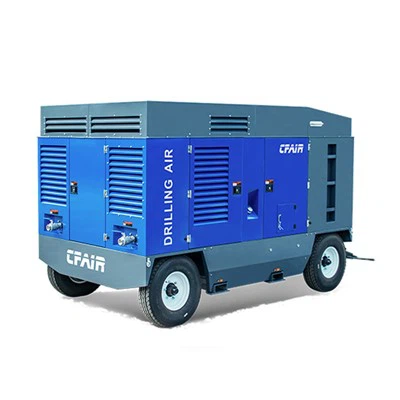
Maintaining the control panel of screw air compressors is a critical aspect of ensuring the efficient and reliable operation of these essential industrial machines. As a supplier of Screw Air Compressors, I understand the importance of proper control panel maintenance. In this blog, I will share some key strategies and best practices for keeping the control panel of screw air compressors in top - notch condition.
Understanding the Control Panel
Before delving into maintenance, it's crucial to understand what the control panel of a screw air compressor does. The control panel serves as the nerve center of the compressor. It monitors and regulates various parameters such as pressure, temperature, and motor speed. Through a series of sensors and controllers, it ensures that the compressor operates within safe and optimal ranges. Some advanced control panels also offer remote monitoring and diagnostic capabilities, allowing operators to manage the compressor from a distance.
Regular Visual Inspections
One of the simplest yet most effective maintenance tasks is regular visual inspections. This should be done on a daily or weekly basis, depending on the usage intensity of the compressor. During a visual inspection, check for any signs of physical damage to the control panel, such as cracks, dents, or loose connections. Look for signs of moisture, dust, or debris accumulation, as these can cause short - circuits or other electrical problems.
Inspect the display screen on the control panel. Make sure that all the readings are clear and accurate. If there are any error messages or abnormal readings, note them down for further investigation. Check the status of indicator lights, which can provide valuable information about the compressor's operation. For example, a red light may indicate a fault, while a green light usually means normal operation.
Cleaning the Control Panel
Dust and dirt can accumulate on the control panel over time, which can interfere with its proper functioning. To clean the control panel, first, make sure that the compressor is turned off and unplugged to avoid any electrical hazards. Use a soft, dry cloth to gently wipe the exterior of the panel. For hard - to - reach areas or stubborn dirt, you can use a small brush with soft bristles.
Avoid using abrasive cleaners or solvents, as these can damage the surface of the control panel. If there is a significant amount of dust inside the panel, you may need to open it carefully. However, this should only be done by a qualified technician. When opening the panel, use an air blower or compressed air to remove the dust. Be careful not to blow the dust onto sensitive components.
Checking Electrical Connections
Loose or corroded electrical connections can lead to intermittent operation or complete failure of the control panel. Periodically, check all the electrical connections within the control panel. This includes power cables, sensor wires, and wiring harnesses. Make sure that all the connectors are securely plugged in and that there are no signs of corrosion.
If you notice any corrosion, you can clean the connectors using a wire brush or a specialized contact cleaner. After cleaning, apply a thin layer of dielectric grease to prevent future corrosion. For loose connections, tighten the screws or connectors carefully. However, be cautious not to overtighten, as this can damage the components.
Software and Firmware Updates
Many modern screw air compressor control panels are equipped with software or firmware that can be updated. These updates often include bug fixes, performance improvements, and new features. Check with the manufacturer regularly to see if there are any available updates for your control panel.
Before performing an update, make sure to back up all the important settings and data on the control panel. Follow the manufacturer's instructions carefully during the update process. It's also a good idea to test the control panel after the update to ensure that everything is working correctly.
Calibration of Sensors
The sensors in the control panel play a vital role in accurately measuring parameters such as pressure and temperature. Over time, these sensors may drift from their original calibration, leading to inaccurate readings. Regular calibration of sensors is essential to maintain the reliability of the control panel.
Calibration should be performed by a qualified technician using specialized calibration equipment. The technician will compare the readings of the sensors with known reference values and adjust them as necessary. The frequency of calibration depends on the type of sensor and the operating conditions of the compressor. In general, it's recommended to calibrate sensors at least once a year.
Training for Operators
Proper training for operators is crucial for the correct use and maintenance of the control panel. Operators should be familiar with the functions of the control panel, how to read the displays, and how to respond to error messages. They should also know the basic maintenance tasks, such as visual inspections and cleaning.
Provide comprehensive training materials and conduct regular training sessions for operators. Encourage them to report any abnormal conditions or malfunctions immediately. By empowering operators with the right knowledge and skills, you can prevent many control panel - related problems.
Troubleshooting Common Issues
Even with regular maintenance, problems may still occur with the control panel. Some common issues include error messages, unresponsive displays, and incorrect readings. When faced with these problems, it's important to follow a systematic troubleshooting process.


First, refer to the user manual or technical documentation provided by the manufacturer. These resources often contain a list of common error codes and their solutions. Check for any obvious physical problems, such as loose connections or damaged components. If the problem persists, contact the manufacturer's technical support team or a qualified service technician.
Conclusion
Maintaining the control panel of screw air compressors is a multi - faceted task that requires attention to detail and regular upkeep. By following the strategies outlined in this blog, including regular visual inspections, cleaning, checking electrical connections, updating software, calibrating sensors, training operators, and troubleshooting effectively, you can ensure the long - term reliability and performance of your compressor.
If you are in the market for high - quality Screw Air Compressors, or if you need more information on control panel maintenance or other aspects of air compressor operation, we are here to help. We also offer a range of related products such as Stationary Gas Air Compressors and Engine Air Compressor. Feel free to reach out to us for more details and to discuss your specific requirements. Our team of experts is ready to assist you in making the best choice for your business.
References
- Manufacturer's user manuals for screw air compressors
- Industry standards and guidelines for air compressor maintenance
- Technical articles on air compressor control panel technology