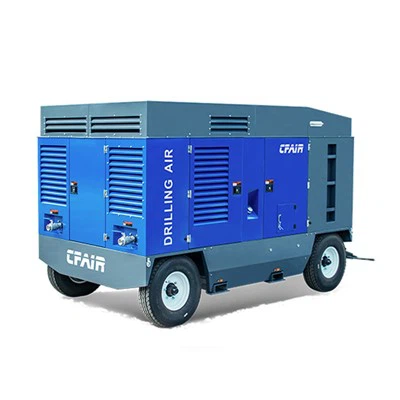
When it comes to mobile air compressors, understanding the difference between single - stage and two - stage models is crucial for making an informed purchasing decision. As a supplier of mobile air compressors, I've encountered numerous customers who are unsure about which type best suits their needs. In this blog, I'll break down the key differences between single - stage and two - stage mobile air compressors to help you choose the right one for your specific applications.
Working Principle
The fundamental difference between single - stage and two - stage mobile air compressors lies in their compression processes. A single - stage air compressor operates with a single piston or set of pistons that compress air in one stroke. The air is drawn into the cylinder, compressed, and then discharged into the storage tank or directly to the application. This simple design makes single - stage compressors relatively straightforward and cost - effective.
On the other hand, a two - stage air compressor uses two sets of pistons or cylinders. In the first stage, the air is initially compressed to an intermediate pressure. Then, the partially compressed air is sent to the second stage, where it undergoes further compression to reach the final, higher pressure. This multi - stage process allows for more efficient compression and higher output pressures.
Pressure and Capacity
One of the most significant differences between the two types is the pressure and capacity they can achieve. Single - stage mobile air compressors typically have a maximum pressure rating of around 100 - 150 psi (pounds per square inch). They are well - suited for light - to medium - duty applications such as powering pneumatic tools like nail guns, staplers, and small spray guns. These compressors usually have a lower cubic feet per minute (CFM) capacity, which is a measure of the volume of air the compressor can deliver at a given pressure.
Two - stage mobile air compressors, however, can reach much higher pressures, often up to 175 - 200 psi or more. This makes them ideal for heavy - duty applications that require high - pressure air, such as sandblasting, industrial painting, and operating large pneumatic machinery. Additionally, two - stage compressors generally have a higher CFM capacity, allowing them to supply a larger volume of compressed air continuously. For instance, Large Air Compressors in our product line often feature two - stage compression to meet the high - demand requirements of industrial operations.
Efficiency
Efficiency is another important factor to consider. Two - stage mobile air compressors are generally more energy - efficient than single - stage models. The multi - stage compression process reduces the work done by each stage, resulting in less heat generation and lower power consumption. As the air is compressed in two steps, it has a chance to cool down between stages, which improves the overall efficiency of the compression process.
Single - stage compressors, while simpler in design, may consume more energy to achieve the same pressure levels as two - stage compressors. This is because they have to compress the air in one go, which can lead to higher temperatures and increased wear on the components. In the long run, the higher energy efficiency of two - stage compressors can result in significant cost savings on electricity or fuel, especially for applications that require continuous operation.
Durability and Maintenance
In terms of durability, two - stage mobile air compressors often have a longer lifespan. The two - stage design distributes the workload more evenly across the components, reducing stress on individual parts. This means that the pistons, valves, and other critical components are less likely to wear out quickly. Additionally, the lower operating temperatures in two - stage compressors contribute to less thermal stress on the engine and other parts, further enhancing their durability.
Single - stage compressors, due to their simpler design, may be easier and cheaper to maintain initially. However, they may require more frequent maintenance as the single - stage compression process can put more strain on the components. Regular maintenance tasks for both types of compressors include oil changes, filter replacements, and checking for leaks. Our Mobile Diesel Compressor and Diesel Driven Compressor models are designed with durability in mind, and we provide comprehensive maintenance guidelines to ensure optimal performance.
Portability
Both single - stage and two - stage mobile air compressors are designed for portability, but there are some differences. Single - stage compressors are often smaller and lighter, making them easier to transport and maneuver. They are a great choice for applications where mobility is a key factor, such as construction sites where the compressor needs to be moved frequently.
Two - stage compressors, on the other hand, are usually larger and heavier due to the additional components required for the two - stage compression process. However, they are still designed to be mobile, with features like wheels and handles for easy transportation. Some of our larger two - stage models are mounted on trailers for even greater mobility, allowing them to be easily towed to different job sites.


Cost
Cost is always an important consideration when purchasing a mobile air compressor. Single - stage compressors are generally more affordable upfront. Their simpler design and lower capacity make them a cost - effective option for small - scale applications or those on a tight budget.
Two - stage compressors, while more expensive initially, offer better long - term value. Their higher efficiency, greater capacity, and longer lifespan can offset the higher purchase price over time. When evaluating the cost, it's important to consider not only the upfront cost but also the operating costs, maintenance costs, and the overall performance of the compressor.
Applications
The choice between a single - stage and a two - stage mobile air compressor ultimately depends on the specific application. Single - stage compressors are ideal for:
- Home workshops: For tasks like inflating tires, using small pneumatic tools for DIY projects.
- Small construction sites: Powering light - duty pneumatic equipment such as nail guns and staple guns.
- Automotive repair shops: For basic tasks like operating air wrenches and spray guns for touch - up painting.
Two - stage compressors are better suited for:
- Industrial manufacturing: For powering large pneumatic machinery, running assembly lines, and sandblasting operations.
- Heavy - construction projects: Such as building bridges and high - rise buildings, where high - pressure air is required for various tools and equipment.
- Large - scale painting jobs: Industrial painting applications that demand a continuous supply of high - pressure air for consistent coverage.
Conclusion
In conclusion, the difference between single - stage and two - stage mobile air compressors is significant in terms of working principle, pressure and capacity, efficiency, durability, portability, and cost. As a supplier of mobile air compressors, I recommend carefully assessing your specific needs and requirements before making a purchase. If you have light - to medium - duty applications and a limited budget, a single - stage compressor may be the right choice. However, for heavy - duty applications that demand high pressure, large volume, and long - term reliability, a two - stage compressor is the better option.
If you're still unsure which type of mobile air compressor is best for your application, or if you have any questions about our products, I encourage you to contact us for a detailed consultation. Our team of experts is ready to help you select the most suitable compressor for your needs and guide you through the purchasing process. We look forward to the opportunity to work with you and provide you with a high - quality mobile air compressor solution.
References
- Air Compressor Handbook, published by an industry - leading press
- Technical manuals of various mobile air compressor models in our product line