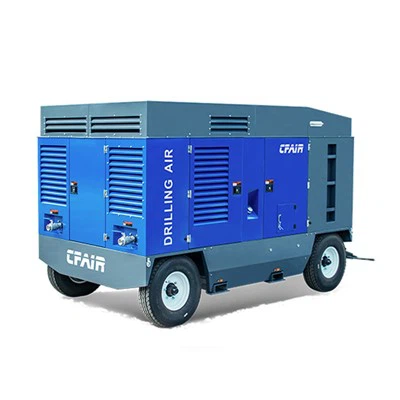
Hey there! As a supplier of Diesel Driven Compressors, I often get asked about how to adjust the pressure of these machines. It's a crucial aspect of maintaining their efficiency and ensuring they work well for your specific needs. In this blog, I'll walk you through the steps and share some tips on pressure adjustment.

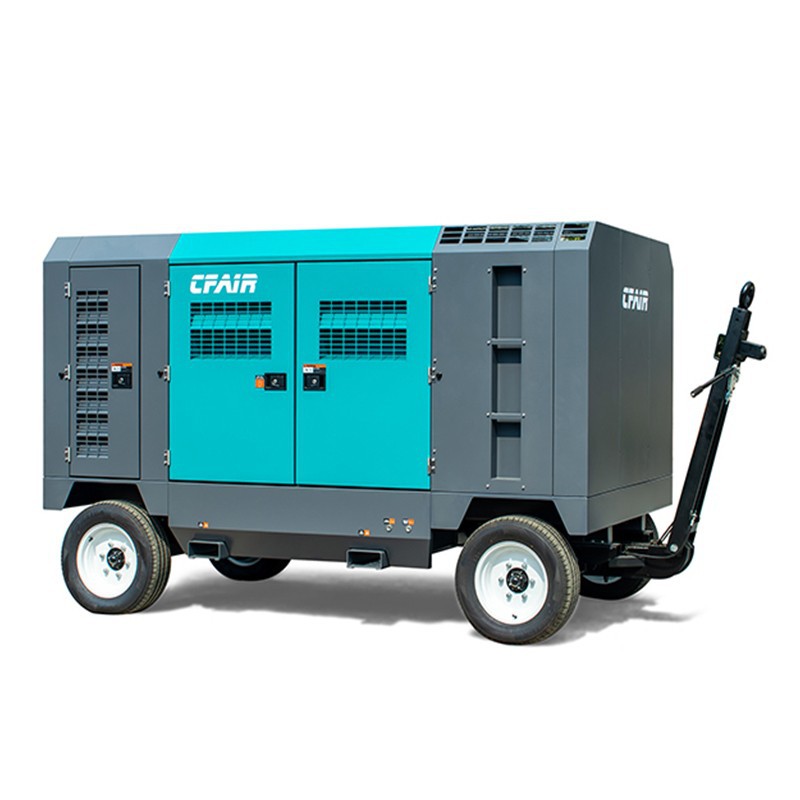
First off, let's understand why pressure adjustment is so important. Diesel driven compressors are used in a variety of industries, from construction to mining. Different tasks require different levels of air pressure. For example, if you're using a compressor to power pneumatic tools like nail guns, you'll need a relatively low and stable pressure. On the other hand, if you're doing some heavy - duty sandblasting, a higher pressure is necessary. So, being able to adjust the pressure accurately can make your compressor more versatile and effective.
Tools You'll Need
Before you start adjusting the pressure, gather the necessary tools. You'll typically need a pressure gauge, which is used to measure the current pressure of the compressor. A screwdriver, usually a flat - head or Phillips - head depending on the compressor model, is required to make the adjustments. Sometimes, you might also need an Allen wrench if the compressor has some Allen - head screws.
Step 1: Check the Compressor's Manual
This might seem like a no - brainer, but it's really important. Every diesel driven compressor is a bit different, and the manufacturer's manual will have specific instructions on how to adjust the pressure. It will tell you the safe pressure range for your compressor, which is crucial to avoid damaging the machine. For instance, if you try to set the pressure too high, it could cause excessive wear and tear on the compressor's components, or even lead to a safety hazard. So, take a few minutes to read through the manual before you start tinkering.
Step 2: Power Off the Compressor
Safety first! Before you start making any adjustments, make sure the compressor is turned off and has cooled down. Diesel engines can get really hot during operation, and you don't want to risk burning yourself. Also, turning off the power prevents any accidental starts while you're working on the pressure adjustment mechanism.
Step 3: Locate the Pressure Adjustment Valve
The pressure adjustment valve is usually located near the pressure gauge. It's the part that allows you to increase or decrease the pressure. On some compressors, it might be a simple screw that you turn clockwise to increase the pressure and counter - clockwise to decrease it. On more complex models, it could be a knob or a lever. Once you've found it, take a good look at how it's connected and how it moves.
Step 4: Use the Pressure Gauge
Now, it's time to use the pressure gauge. First, note down the current pressure reading. This will give you a baseline. Then, start making small adjustments to the pressure adjustment valve. Turn it just a little bit at a time, and then wait for a few seconds for the pressure to stabilize. Check the pressure gauge again. If you want to increase the pressure, turn the valve in the appropriate direction (usually clockwise), and if you want to decrease it, turn it the other way. Keep doing this in small increments until you reach the desired pressure.
Step 5: Test the Compressor
Once you think you've set the pressure correctly, it's time to test the compressor. Turn it on and let it run for a few minutes. Watch the pressure gauge to make sure the pressure stays stable. If the pressure fluctuates or doesn't seem right, turn off the compressor again and make further adjustments.
Tips for Pressure Adjustment
- Make Small Adjustments: It's better to make small changes at a time. Big adjustments can cause the pressure to overshoot or undershoot your desired level, and it can be harder to get it right.
- Monitor the Compressor's Performance: While the compressor is running, pay attention to how it sounds and how it's performing. If you hear any strange noises or notice any unusual vibrations, it could be a sign that the pressure is set incorrectly or there's some other problem with the compressor.
- Regular Maintenance: Keeping your diesel driven compressor well - maintained can make pressure adjustment easier. Make sure to change the oil, filters, and other components as recommended by the manufacturer.
Types of Diesel Driven Compressors
There are different types of diesel driven compressors available in the market. You can check out Air Compressor Engine Driven for more information on engine - driven air compressors. These are great for applications where you need a reliable source of compressed air on the go.
If you're looking for a compressor for industrial use, Industrial Portable Air Compressor offers some great options. They're built to withstand the rigors of industrial environments and can provide high - volume compressed air.
And for those who need a mobile solution, Mobile Diesel Air Compressor is a great choice. These compressors are designed to be easily transported and can be used in a variety of locations.
Contact for Purchase and Consultation
If you're in the market for a new diesel driven compressor or need more advice on pressure adjustment or any other aspect of these machines, don't hesitate to reach out. We're here to help you find the right compressor for your needs and ensure you get the most out of it. Whether you're a small business owner or part of a large industrial operation, we've got the expertise and the products to meet your requirements.
References
- Compressor Handbook, various editions. This handbook provides in - depth information on the operation and maintenance of different types of compressors, including diesel driven ones.
- Manufacturer's manuals of diesel driven compressors. As mentioned earlier, these manuals are a great source of specific information about your compressor model.