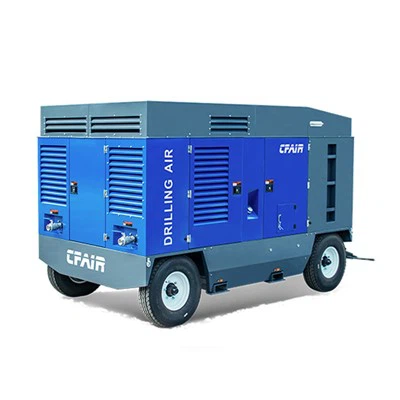
Storing a portable air compressor properly is crucial for its longevity, performance, and safety. As a supplier of portable air compressors, I understand the significance of providing customers with guidance on how to store these valuable tools effectively. In this blog post, I will share some essential tips and best practices for storing a portable air compressor.
Understanding Your Portable Air Compressor
Before delving into storage methods, it's important to have a basic understanding of your portable air compressor. Portable air compressors come in various types, including electric, gas, and diesel-powered models. Each type has its own unique features and requirements, so it's essential to refer to the manufacturer's manual for specific storage instructions.
General Storage Guidelines
Regardless of the type of portable air compressor you own, there are some general storage guidelines that apply to all models. These guidelines will help ensure that your compressor remains in good condition during periods of non-use.
Clean the Compressor
Before storing your portable air compressor, it's important to clean it thoroughly. Use a soft brush or cloth to remove any dirt, dust, or debris from the exterior of the compressor. Pay special attention to the intake vents, as these can become clogged with dirt and reduce the compressor's efficiency. If necessary, use a mild detergent and water to clean the compressor, but be sure to dry it completely before storing it.
Drain the Tank
Most portable air compressors have a tank that stores compressed air. Before storing the compressor, it's important to drain the tank completely to prevent rust and corrosion. Locate the drain valve at the bottom of the tank and open it to release the compressed air. Once the tank is empty, close the drain valve tightly.
Lubricate Moving Parts
If your portable air compressor has moving parts, such as pistons or cylinders, it's important to lubricate them before storing the compressor. Refer to the manufacturer's manual for specific lubrication instructions and use the recommended type of lubricant. Lubricating the moving parts will help prevent rust and corrosion and ensure that the compressor operates smoothly when it's used again.
Protect the Compressor
To protect your portable air compressor from damage during storage, it's a good idea to cover it with a protective cover. You can purchase a specially designed compressor cover or use a tarp or other heavy-duty material to cover the compressor. Make sure the cover fits snugly over the compressor and is secured in place to prevent it from blowing off.
Storage Location
The location where you store your portable air compressor is also important. Here are some factors to consider when choosing a storage location:
Temperature and Humidity
Portable air compressors should be stored in a dry, cool place with a stable temperature. Extreme temperatures and humidity can damage the compressor's components and reduce its lifespan. Avoid storing the compressor in areas that are prone to flooding, such as basements or garages, as water can cause rust and corrosion.
Ventilation
Proper ventilation is essential when storing a portable air compressor. Compressors generate heat when they operate, and if they are stored in a poorly ventilated area, the heat can build up and damage the compressor's components. Make sure the storage area has adequate ventilation to allow the heat to escape.
Security
Portable air compressors are valuable tools, so it's important to store them in a secure location to prevent theft. If possible, store the compressor in a locked shed or garage. If you need to store the compressor outdoors, consider using a chain and padlock to secure it to a fixed object.


Specific Storage Considerations for Different Types of Compressors
In addition to the general storage guidelines, there are some specific storage considerations for different types of portable air compressors. Here's a breakdown of the storage requirements for electric, gas, and diesel-powered compressors:
Electric Compressors
Electric portable air compressors are generally easier to store than gas or diesel-powered models. However, it's still important to take some precautions to ensure their safety and longevity. Here are some tips for storing an electric compressor:
- Unplug the Compressor: Before storing the compressor, make sure it's unplugged from the power source to prevent electrical shock.
- Protect the Cord: The power cord of an electric compressor can be easily damaged if it's not stored properly. Coil the cord neatly and secure it with a cable tie or Velcro strap to prevent it from tangling or getting damaged.
- Store in a Dry Place: Electric compressors are sensitive to moisture, so it's important to store them in a dry place. Avoid storing the compressor in areas that are prone to humidity or water damage.
Gas Compressors
Gas-powered portable air compressors require a bit more maintenance and storage precautions than electric models. Here are some tips for storing a gas compressor:
- Empty the Fuel Tank: Before storing the compressor, empty the fuel tank completely to prevent the fuel from deteriorating and causing damage to the engine. You can use a siphon pump or a fuel drain valve to empty the tank.
- Change the Oil: It's a good idea to change the oil in the compressor's engine before storing it. Fresh oil will help protect the engine from corrosion and ensure that it starts smoothly when it's used again.
- Store in a Well-Ventilated Area: Gas compressors produce exhaust fumes when they operate, so it's important to store them in a well-ventilated area to prevent the buildup of harmful gases. Avoid storing the compressor in enclosed spaces, such as basements or garages, without proper ventilation.
Diesel Compressors
Diesel-powered portable air compressors are similar to gas compressors in terms of storage requirements. Here are some tips for storing a diesel compressor:
- Drain the Fuel Tank: Like gas compressors, diesel compressors should have their fuel tanks drained before storage to prevent fuel deterioration.
- Change the Oil and Filters: It's important to change the oil and filters in the compressor's engine before storing it. Diesel engines are more prone to carbon buildup and other contaminants, so regular maintenance is essential.
- Store in a Secure Location: Diesel compressors are often more expensive than other types of compressors, so it's important to store them in a secure location to prevent theft.
Conclusion
Proper storage of a portable air compressor is essential for its longevity, performance, and safety. By following the tips and guidelines outlined in this blog post, you can ensure that your compressor remains in good condition during periods of non-use. Remember to clean the compressor, drain the tank, lubricate the moving parts, and protect it from damage. Choose a suitable storage location that is dry, cool, and well-ventilated, and take specific storage considerations into account for different types of compressors.
If you're in the market for a portable air compressor or need more information about our products, please feel free to contact us for a consultation. We offer a wide range of high-quality portable air compressors, including Compressor In Construction, Portable Diesel Powered Air Compressor, and Engine Drive Air Compressor. Our team of experts can help you choose the right compressor for your needs and provide you with all the information you need to store and maintain it properly.
References
- Manufacturer's manuals for portable air compressors
- Industry best practices for storing air compressors