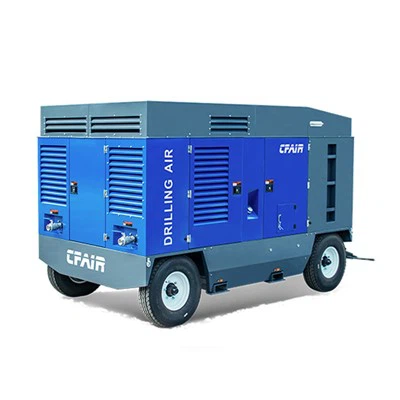
As a supplier of box air compressors, I often encounter inquiries from food processing companies regarding the suitability of our products for their equipment. This blog post aims to explore the feasibility, advantages, and considerations of using a box air compressor in food processing applications.
Understanding Box Air Compressors
Box air compressors are compact, enclosed units designed to generate compressed air. They come in various sizes and capacities, making them suitable for a wide range of industrial and commercial applications. The enclosure helps to reduce noise levels and protect the internal components from dust and debris, making them ideal for use in environments where cleanliness and quiet operation are essential.
There are different types of box air compressors available on the market, including Twin Screw Compressor, Compressor Air Screw, and Screw Air Compressor. These compressors use different technologies to compress air, each with its own advantages and disadvantages.
Feasibility of Using Box Air Compressors in Food Processing
Food processing is a highly regulated industry, with strict hygiene and safety standards to ensure the quality and safety of food products. Therefore, any equipment used in food processing must meet these standards. Box air compressors can be used in food processing equipment, but certain conditions must be met.
Air Quality
One of the most critical factors in using a box air compressor for food processing is the quality of the compressed air. Compressed air can come into direct or indirect contact with food products during processing, so it must be free from contaminants such as oil, water, and particles. Most modern box air compressors are equipped with advanced filtration systems to remove these contaminants and ensure that the compressed air meets the required quality standards.
Compliance with Regulations
Food processing equipment must comply with various regulations, such as the Hazard Analysis and Critical Control Points (HACCP) system and the Food Safety Modernization Act (FSMA) in the United States. When using a box air compressor in food processing, it is essential to ensure that the compressor and its associated components are designed and manufactured to meet these regulations. This may include using food-grade lubricants, corrosion-resistant materials, and proper installation and maintenance procedures.
Hygiene and Cleanliness
Maintaining a high level of hygiene and cleanliness is crucial in food processing. Box air compressors should be designed to be easy to clean and sanitize to prevent the growth of bacteria and other microorganisms. The enclosure of the compressor should be made of smooth, non-porous materials that can be easily wiped down, and the internal components should be protected from dust and debris.
Advantages of Using Box Air Compressors in Food Processing
Compact Design
Box air compressors are typically more compact than other types of compressors, making them ideal for use in food processing facilities where space is often limited. Their small footprint allows them to be easily installed in tight spaces, such as next to processing equipment or in utility rooms.
Quiet Operation
The enclosed design of box air compressors helps to reduce noise levels, which is beneficial in food processing environments where noise can be a distraction or a safety hazard. Quiet operation also allows for a more comfortable working environment for employees.
Energy Efficiency
Many modern box air compressors are designed to be energy-efficient, which can help to reduce operating costs in food processing facilities. Energy-efficient compressors use less electricity to generate the same amount of compressed air, resulting in lower energy bills and a reduced carbon footprint.
Reliability and Durability
Box air compressors are built to be reliable and durable, with high-quality components and a robust design. This ensures that they can withstand the demanding conditions of food processing operations and provide consistent performance over a long period of time.
Considerations When Using Box Air Compressors in Food Processing
Maintenance Requirements
Like any other equipment, box air compressors require regular maintenance to ensure optimal performance and longevity. This includes tasks such as changing the air filters, checking the oil levels, and inspecting the compressor for any signs of wear or damage. It is important to follow the manufacturer's recommended maintenance schedule to prevent breakdowns and ensure the safety and reliability of the compressor.
Installation and Ventilation
Proper installation and ventilation are essential for the safe and efficient operation of box air compressors. The compressor should be installed in a well-ventilated area to prevent overheating and to ensure that any exhaust gases are properly removed. It is also important to ensure that the compressor is installed on a level surface and that all connections are secure.
Compressor Capacity
When selecting a box air compressor for food processing equipment, it is important to choose a compressor with the appropriate capacity to meet the demands of the application. The capacity of the compressor is typically measured in cubic feet per minute (CFM) or liters per minute (LPM). It is important to calculate the required CFM or LPM based on the specific requirements of the food processing equipment and to choose a compressor that can provide this amount of compressed air.
Conclusion
In conclusion, box air compressors can be used for food processing equipment, provided that they meet the necessary air quality, regulatory, and hygiene requirements. The compact design, quiet operation, energy efficiency, and reliability of box air compressors make them an attractive option for food processing facilities. However, it is important to carefully consider the maintenance requirements, installation and ventilation, and compressor capacity when selecting a box air compressor for food processing applications.
If you are a food processing company looking for a reliable and efficient box air compressor for your equipment, please feel free to contact us. Our team of experts can help you select the right compressor for your specific needs and provide you with all the information and support you need to ensure a successful installation and operation.


References
- "Food Safety Modernization Act (FSMA)." U.S. Food and Drug Administration.
- "Hazard Analysis and Critical Control Points (HACCP)." World Health Organization.
- Manufacturer's manuals and technical specifications for box air compressors.