Can an oil - free air compressor be used for glass blowing?
Hey there! As a supplier of oil - free air compressors, I get this question a lot: Can an oil - free air compressor be used for glass blowing? Well, let's dig into this topic and find out.


First off, let's understand what glass blowing is all about. Glass blowing is an ancient art form where hot, molten glass is shaped using a blowpipe and a source of air. The air is crucial as it helps to inflate the glass into various shapes, from delicate vases to complex sculptures. The quality of the air used in this process can have a significant impact on the final product.
Now, why would we even consider an oil - free air compressor for glass blowing? The main reason is the purity of the air it delivers. In glass blowing, any contamination in the air can lead to defects in the glass. Oil particles, if present in the compressed air, can cause stains, bubbles, or uneven surfaces on the glass. These defects can ruin the aesthetic appeal and structural integrity of the glass piece.
Oil - free air compressors are designed to provide clean, oil - free air. They use advanced technologies such as oil - free pistons, diaphragms, or scroll compressors to compress the air without the need for lubricating oil. This ensures that the air output is free from oil contaminants, making it ideal for applications where air purity is critical, like glass blowing.
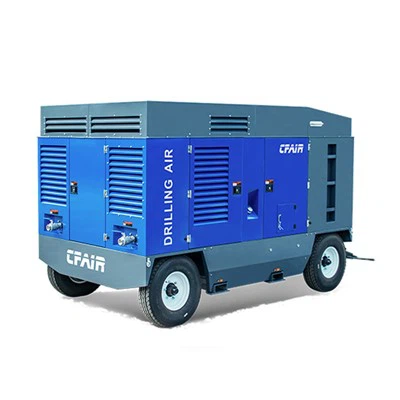
Let's talk about the different types of oil - free air compressors that could be suitable for glass blowing. One option is the Oil Free Diesel Air Compressor. These compressors are powered by diesel engines, which makes them a great choice for mobile glass - blowing setups or in areas where electricity is not readily available. They offer high - pressure air output and can be quite powerful, allowing for efficient glass - blowing operations.
Another popular choice is the Oil Free Compressor. These compressors come in various sizes and capacities, making them versatile for different glass - blowing needs. Whether you're a hobbyist working on small glass pieces or a professional glass artist creating large - scale installations, there's an oil - free compressor that can meet your requirements.
If you need higher - pressure air for more complex glass - blowing techniques, the Oil Free High Pressure Air Compressor might be the way to go. These compressors can generate pressures of up to several hundred psi, which is useful for tasks like creating thin - walled glass objects or blowing large bubbles.
But it's not just about the type of compressor. There are other factors to consider when using an oil - free air compressor for glass blowing. One important factor is the air flow rate. The air flow rate, measured in cubic feet per minute (CFM), determines how quickly the glass can be inflated. A higher CFM rating means faster inflation, which can be beneficial for larger glass pieces or when you need to work quickly.
The pressure stability of the compressor is also crucial. Fluctuations in air pressure can cause uneven shapes or inconsistent thickness in the glass. Oil - free air compressors are generally designed to provide stable air pressure, but it's still a good idea to check the specifications and look for models with features like pressure regulators to ensure a consistent air supply.
Maintenance is another aspect to keep in mind. While oil - free air compressors require less maintenance compared to oil - lubricated ones, they still need regular upkeep. This includes cleaning or replacing air filters, checking the belts and hoses, and ensuring that the compressor is operating within its recommended temperature range. By following the manufacturer's maintenance guidelines, you can extend the lifespan of your compressor and ensure reliable performance.
Now, let's talk about some of the benefits of using an oil - free air compressor for glass blowing. Besides the obvious advantage of clean air, these compressors are also more environmentally friendly. Since they don't use oil, there's no risk of oil spills or leaks, which can be harmful to the environment. They also tend to be quieter than oil - lubricated compressors, which is a plus if you're working in a studio or a residential area.
In terms of cost, oil - free air compressors may have a higher upfront cost compared to oil - lubricated ones. However, when you factor in the long - term savings on maintenance, replacement parts, and the cost of dealing with glass defects caused by oil contamination, they can actually be a more cost - effective option in the long run.
So, to answer the question "Can an oil - free air compressor be used for glass blowing?" The answer is a resounding yes! They offer clean air, reliable performance, and a range of options to suit different glass - blowing needs. Whether you're a beginner or an experienced glass artist, an oil - free air compressor can be a valuable addition to your workshop.
If you're interested in purchasing an oil - free air compressor for your glass - blowing projects, I'd love to help. We have a wide range of high - quality oil - free air compressors that are specifically designed for applications like glass blowing. Feel free to reach out to us to discuss your requirements and find the perfect compressor for your needs.
References
- Compressed Air Handbook, various editions
- Glass Blowing Techniques and Best Practices, industry publications