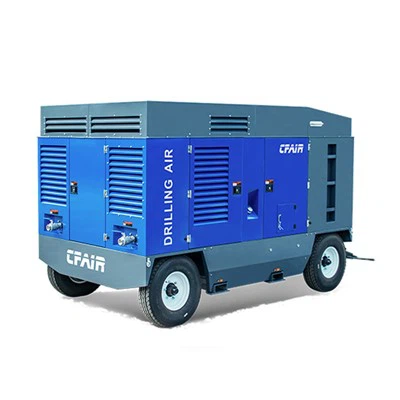
Hey there! I'm a supplier of portable air compressors, and I'm here to walk you through the process of installing one. Whether you're a DIY enthusiast or a professional tradesperson, having a portable air compressor can be a game-changer for your projects. So, let's get started!
Step 1: Choose the Right Location
First things first, you need to pick a suitable spot for your portable air compressor. It should be a well-ventilated area to prevent overheating. Also, make sure the surface is flat and stable. You don't want your compressor wobbling around while it's running. Avoid placing it near flammable materials or in direct sunlight.
Step 2: Unpack and Inspect
Once you've found the perfect location, unpack your portable air compressor. Carefully remove all the parts and accessories from the box. Take a good look at everything to make sure there are no signs of damage during shipping. Check the hoses, fittings, and the compressor itself for any cracks or dents. If you notice anything wrong, contact our customer service right away.
Step 3: Assemble the Compressor
Now it's time to put the pieces together. Most portable air compressors come with an instruction manual that shows you how to assemble them. Usually, you'll need to attach the hoses and fittings. Make sure they're tightened properly to avoid any air leaks. Some compressors may also require you to install the oil if it's an oil-lubricated model. Just follow the instructions in the manual, and you'll be good to go.


Step 4: Connect the Power Source
Depending on the type of portable air compressor you have, you'll need to connect it to a power source. If it's an electric compressor, plug it into a grounded outlet. Make sure the voltage of the outlet matches the requirements of the compressor. For gas-powered compressors, you'll need to fill up the fuel tank with the appropriate fuel and follow the startup procedure in the manual.
Step 5: Check the Pressure Settings
Before you start using your portable air compressor, you need to set the pressure. This is important because different tools and applications require different air pressures. Most compressors have a pressure gauge and a regulator. Use the regulator to adjust the pressure to the desired level. You can find the recommended pressure for your tools in their user manuals.
Step 6: Test the Compressor
Once you've set the pressure, it's time to test the compressor. Turn it on and listen for any strange noises. Watch the pressure gauge to make sure it's building up pressure properly. If you notice any leaks or abnormal behavior, turn off the compressor immediately and check for problems.
Step 7: Connect Your Tools
Now that your portable air compressor is up and running, you can connect your tools. Use the appropriate fittings to attach the hoses to your tools. Make sure the connections are secure. When you're done using a tool, turn off the compressor and release the pressure in the hoses.
Different Types of Portable Air Compressors
We offer a variety of portable air compressors to meet your needs. For example, if you're looking for an Air Compressor Engine Driven, it's a great option for jobsites where electricity may not be available. These compressors are powered by an engine, so you can take them anywhere.
If you're into sandblasting, our Compressor for Sandblasting is specifically designed for this application. It provides the high-pressure air needed to blast away dirt and rust.
And for those who need a powerful and reliable compressor on the go, our Mobile Diesel Air Compressor is a top choice. Diesel engines are known for their durability and efficiency, making them perfect for heavy-duty tasks.
Conclusion
Installing a portable air compressor isn't as complicated as it may seem. By following these steps, you can have your compressor up and running in no time. And if you have any questions or need further assistance, don't hesitate to reach out to us. We're here to help you get the most out of your portable air compressor.
If you're interested in purchasing a portable air compressor or have any questions about our products, feel free to contact us. We'd love to discuss your needs and help you find the perfect compressor for your projects.
References
- Portable Air Compressor User Manuals
- Industry Standards for Air Compressor Installation