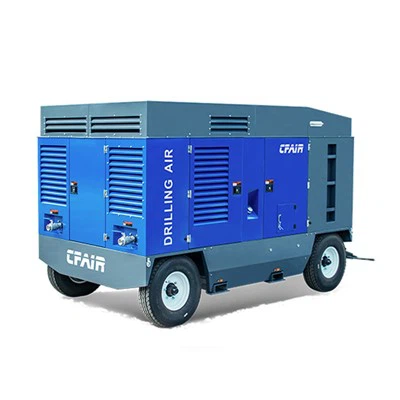
As a supplier of portable air compressors, I often encounter inquiries from customers about the versatility and functionality of our products. One common question that frequently arises is whether a portable air compressor can be used for powering a grinder. In this blog post, I will delve into this topic, exploring the technical aspects, limitations, and practical considerations to help you make an informed decision.
Understanding the Basics: How Portable Air Compressors Work
Before we discuss the compatibility of portable air compressors with grinders, it's essential to understand how these machines operate. A portable air compressor is a device that converts power (usually from an electric motor or a gasoline engine) into potential energy stored in pressurized air. This compressed air can then be used to power various pneumatic tools and equipment.
Portable air compressors come in different types, including reciprocating, rotary screw, and centrifugal compressors. Each type has its own unique features and performance characteristics, but they all share the same basic principle of compressing air.
The Power Requirements of a Grinder
Grinders are power tools that use abrasive wheels to cut, grind, or polish various materials. They can be powered by electricity, gasoline, or compressed air. Pneumatic grinders, in particular, rely on compressed air to operate and are known for their high power-to-weight ratio, durability, and versatility.
The power requirements of a grinder depend on several factors, including the size and type of the grinder, the material being worked on, and the desired cutting or grinding speed. Generally, larger grinders with more powerful motors require more compressed air to operate efficiently.
Compatibility Considerations
When considering using a portable air compressor to power a grinder, several compatibility factors need to be taken into account:
Air Pressure and Flow Rate
The air pressure and flow rate (measured in cubic feet per minute, or CFM) are two critical parameters that determine the performance of a pneumatic tool. The grinder's manufacturer will specify the minimum air pressure and flow rate required for optimal operation. It's essential to ensure that your portable air compressor can deliver the required air pressure and flow rate consistently.
Most pneumatic grinders require an air pressure of around 90 to 100 pounds per square inch (PSI) and a flow rate of 5 to 15 CFM, depending on the size and power of the grinder. Make sure to check the specifications of your grinder and compare them with the output capabilities of your portable air compressor.
Tank Size
The tank size of a portable air compressor plays a crucial role in maintaining a steady supply of compressed air. A larger tank can store more compressed air, which can help to compensate for any fluctuations in air demand and ensure a continuous and consistent power supply to the grinder.
If you plan to use the grinder for extended periods or for heavy-duty applications, it's recommended to choose a portable air compressor with a larger tank size. This will help to prevent the compressor from cycling on and off frequently, which can reduce its lifespan and efficiency.
Compressor Type
As mentioned earlier, there are different types of portable air compressors available, each with its own advantages and disadvantages. Reciprocating compressors are the most common type and are suitable for light to medium-duty applications. They are relatively inexpensive and easy to maintain but may produce more noise and vibration compared to other types of compressors.
Rotary screw compressors, on the other hand, are more efficient and reliable, making them ideal for heavy-duty applications. They are capable of delivering a continuous supply of compressed air at a consistent pressure and flow rate, which is essential for powering a grinder. However, they are generally more expensive and require more maintenance compared to reciprocating compressors.
Practical Considerations
In addition to the technical compatibility factors, there are several practical considerations to keep in mind when using a portable air compressor to power a grinder:
Noise and Vibration
Portable air compressors can produce a significant amount of noise and vibration, especially when operating at high speeds. This can be a nuisance, especially if you are working in a residential area or a noise-sensitive environment. Make sure to choose a portable air compressor that is designed to minimize noise and vibration, and consider using noise-reducing accessories such as mufflers or vibration pads.
Mobility and Portability
One of the main advantages of a portable air compressor is its mobility and portability. If you need to move the compressor and the grinder to different job sites, it's important to choose a compressor that is lightweight and easy to transport. Look for models with built-in handles or wheels for easy maneuverability.
Maintenance and Safety
Proper maintenance and safety are essential when using a portable air compressor and a grinder. Make sure to follow the manufacturer's instructions for maintenance and safety procedures, including regular oil changes, filter replacements, and inspections. Always wear appropriate safety gear, such as safety glasses, gloves, and ear protection, when operating the compressor and the grinder.
Conclusion
In conclusion, a portable air compressor can be used to power a grinder, provided that the compressor is compatible with the grinder's power requirements and that the necessary practical considerations are taken into account. When choosing a portable air compressor for this purpose, make sure to consider the air pressure and flow rate, tank size, compressor type, noise and vibration, mobility and portability, and maintenance and safety requirements.
At our company, we offer a wide range of Portable Screw Compressor, Air Compressor Engine Driven, and Compressor for Blasting that are suitable for powering grinders and other pneumatic tools. Our products are designed to provide reliable performance, durability, and efficiency, and we offer excellent customer support and after-sales service.


If you have any questions or need further information about using a portable air compressor to power a grinder, or if you are interested in purchasing a portable air compressor for your specific application, please don't hesitate to contact us. We would be happy to assist you and help you find the right solution for your needs.
References
- Compressed Air and Gas Institute (CAGI). (n.d.). Compressed Air Basics. Retrieved from [CAGI Website]
- Manufacturer's manuals and specifications for portable air compressors and grinders.