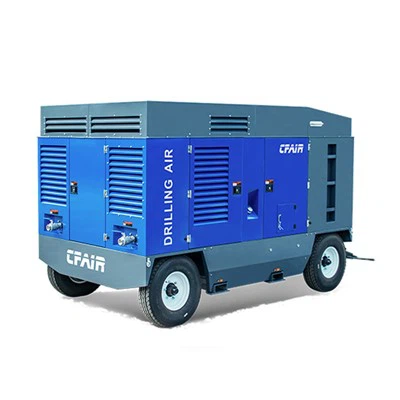
As a reputable supplier of Compressor Portable, I understand the importance of a seamless installation process for our customers. In this blog post, I'll guide you through the steps of installing a Compressor Portable, ensuring that you can get the most out of your equipment with minimal hassle.
Step 1: Preparation
Before you start the installation, it's crucial to make the necessary preparations. First, choose a suitable location for your Compressor Portable. The area should be well - ventilated to prevent overheating. It should also be flat and stable to ensure the compressor operates smoothly. Clear the area of any debris, flammable materials, or obstacles that could interfere with the installation or the operation of the compressor.
Next, gather all the tools you'll need for the installation. This typically includes wrenches, screwdrivers, and a level. Refer to the user manual that comes with your Compressor Portable to determine the exact tools required, as different models may have specific requirements.
Step 2: Unpacking and Inspection
Carefully unpack your Compressor Portable. Inspect all the components for any signs of damage during shipping. Check the compressor unit, hoses, fittings, and any additional accessories. If you notice any damage, contact our customer service immediately. We'll work with you to resolve the issue and ensure you receive a fully functional product.
Step 3: Mounting the Compressor
If your Compressor Portable is designed to be mounted, follow the instructions in the user manual for proper mounting. Use the appropriate hardware provided with the compressor to secure it to the chosen location. Make sure the compressor is level using a level tool. An unevenly mounted compressor can cause excessive vibration, which may lead to premature wear and tear and affect the performance of the equipment.
Step 4: Connecting the Hoses
Connect the air hoses to the compressor. Ensure that the connections are tight to prevent air leaks. Different Compressor Portable models may have different types of hose connections, so refer to the manual for the correct procedure. Some compressors may require the use of thread sealant on the connections to ensure a proper seal.
Step 5: Electrical or Fuel Connection
Depending on the type of Compressor Portable you have, you'll need to make the appropriate power connection.
Electric Compressors
If you have an electric Compressor Portable, connect it to a suitable power source. Make sure the power supply matches the voltage and amperage requirements specified in the user manual. Use a grounded electrical outlet to ensure safety. It's also a good idea to use a circuit breaker or a fuse with the appropriate rating to protect the compressor from electrical overload.
Engine - Driven Compressors
For engine - driven compressors such as the Engine Driven Air Compressor, you'll need to connect the fuel system. Fill the fuel tank with the recommended type of fuel, usually gasoline or diesel. Check the fuel lines for any leaks before starting the engine. Follow the instructions in the manual for priming the fuel system if required.
Step 6: Lubrication (if applicable)
Some Compressor Portable models require lubrication. Check the user manual to see if your compressor needs lubrication and what type of lubricant to use. If lubrication is required, fill the lubricant reservoir to the appropriate level. Over - lubricating or using the wrong type of lubricant can damage the compressor, so it's important to follow the manufacturer's recommendations.
Step 7: Testing the Compressor
Once all the connections are made and the necessary preparations are complete, it's time to test the Compressor Portable.
Electric Compressors
For electric compressors, turn on the power switch. Listen for any unusual noises and check for any signs of air leaks. Monitor the pressure gauge to ensure that the compressor is building pressure correctly.
Engine - Driven Compressors
For engine - driven compressors, start the engine following the instructions in the manual. Let the engine warm up for a few minutes. Again, listen for any abnormal noises and check for air leaks. Observe the pressure gauge to make sure the compressor is functioning as expected.
Step 8: Adjusting the Settings
Depending on your specific needs, you may need to adjust the settings of the Compressor Portable. This could include setting the desired pressure level, adjusting the running time, or changing other parameters. Refer to the user manual for detailed instructions on how to make these adjustments.
Step 9: Safety Checks
Before leaving the Compressor Portable in operation, perform a final safety check. Make sure all the covers and guards are in place to prevent accidental contact with moving parts. Check that the emergency stop button is easily accessible and functioning properly.
Troubleshooting
If you encounter any problems during the installation or operation of the Compressor Portable, don't panic. Refer to the troubleshooting section in the user manual. Some common issues and their solutions include:
- Air Leaks: Check all the hose connections and tighten them if necessary. Look for cracks in the hoses and replace them if found.
- Low Pressure: Make sure the compressor is properly sized for your needs. Check for any blockages in the air intake or output.
- Abnormal Noises: This could indicate a problem with the internal components. Stop the compressor immediately and contact our technical support team for further assistance.
Why Choose Our Compressor Portable
Our Compressor Portable products are designed with quality and reliability in mind. We offer a wide range of models, including the Towable Diesel Air Compressor and Diesel Air Compressor, to meet the diverse needs of our customers. Our compressors are built to last, with high - quality materials and advanced technology.
We also provide excellent customer service. Our team of experts is available to assist you with any questions you may have during the installation process or throughout the lifespan of your compressor.


Contact Us for Purchase and Consultation
If you're interested in purchasing a Compressor Portable or have any questions about our products, we encourage you to contact us. Our sales team is ready to discuss your specific requirements and provide you with the best solution for your needs. Whether you're a small business owner, a contractor, or an individual looking for a reliable compressor, we have the right product for you.
References
- Compressor Portable User Manuals
- Industry standards and best practices for compressor installation