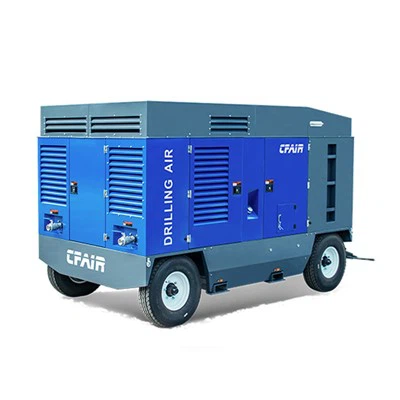
When it comes to large air compressors, size is a critical factor that significantly influences their performance. As a supplier of large air compressors, I've witnessed firsthand how different sizes of these machines can lead to distinct operational outcomes. In this blog, we'll explore in detail how the size of a large air compressor affects its performance, covering aspects such as power consumption, air delivery, and application suitability.
Power Consumption
One of the most noticeable impacts of the size of a large air compressor is on power consumption. Generally, larger air compressors require more power to operate. This is because they have bigger motors and components that need to work harder to generate the necessary air pressure. For instance, a large industrial - scale air compressor used in a manufacturing plant might have a motor with a high horsepower rating, which demands a substantial amount of electrical energy.
On the other hand, smaller large air compressors (in the context of large - sized compressors, relatively speaking) consume less power. They are often more suitable for applications where power availability is limited or where energy efficiency is a top priority. For example, a small - scale construction site that doesn't have access to a high - capacity power grid might opt for a smaller large air compressor to keep power consumption in check.
The relationship between size and power consumption also has cost implications. Larger compressors with higher power requirements can lead to increased electricity bills over time. As a supplier, I always advise my customers to carefully consider their power needs and available power sources when choosing the size of an air compressor. If possible, they can also look into energy - efficient models that can help reduce long - term power costs, regardless of the compressor's size.
Air Delivery
The size of a large air compressor is directly related to its air delivery capacity. Larger compressors typically have a higher air delivery rate, measured in cubic feet per minute (CFM). This means they can supply a greater volume of compressed air in a given period. In industrial settings such as automotive manufacturing plants or large - scale painting operations, high - volume air delivery is crucial. These applications require a continuous and large - scale supply of compressed air to power pneumatic tools and equipment.
Smaller large air compressors, while having a lower CFM, can still be sufficient for applications with lower air demands. For example, a small woodworking shop might only need a compressor with a moderate air delivery rate to operate a few pneumatic nail guns and sanders. In such cases, a smaller compressor can save space and cost while still meeting the basic air requirements.
It's important to note that the air delivery capacity of an air compressor also depends on other factors such as the compressor's design, the type of pump, and the operating pressure. However, size remains a dominant factor. As a supplier, I work closely with my customers to understand their specific air delivery needs and recommend the appropriate size of the compressor accordingly.


Application Suitability
The size of a large air compressor plays a vital role in determining its suitability for different applications. Larger compressors are well - suited for heavy - duty, continuous - use applications. In the mining industry, for example, large air compressors are used to power drilling equipment and ventilation systems. These applications require a compressor that can operate continuously for long periods without overheating or losing performance.
Smaller large air compressors, on the other hand, are more suitable for intermittent or light - duty applications. A small auto repair shop might use a smaller compressor to power air tools for occasional repairs. These compressors can be easily turned on and off as needed, and they don't require the same level of durability and continuous operation as larger compressors.
Another aspect of application suitability is portability. Smaller compressors are generally more portable than larger ones. If you need a compressor that can be easily moved around a job site, a smaller model might be a better choice. For example, a Towable Air Compressor is a great option for construction crews who need to move the compressor from one location to another. Similarly, a Quiet Portable Air Compressor can be used in noise - sensitive areas such as residential neighborhoods for small - scale construction or maintenance work.
Maintenance and Durability
The size of a large air compressor also affects its maintenance requirements and durability. Larger compressors usually have more complex components and systems, which can make maintenance more challenging. They may require more frequent servicing, and the replacement parts can be more expensive. However, when properly maintained, larger compressors can have a longer lifespan and are more likely to withstand heavy - duty use.
Smaller large air compressors, with their simpler designs, are generally easier to maintain. They often have fewer parts that can wear out, and the replacement parts are usually more affordable. This makes them a cost - effective option for small businesses or DIY enthusiasts who may not have the resources or expertise for extensive maintenance.
In terms of durability, larger compressors are built to handle more stress and wear. They are designed for continuous operation in harsh industrial environments. Smaller compressors, while durable for their intended applications, may not be able to withstand the same level of abuse as larger ones.
Noise Level
Noise is an important consideration when choosing an air compressor, especially in environments where noise can be a nuisance. Generally, larger air compressors tend to be noisier than smaller ones. This is because they have larger motors and components that generate more vibration and noise during operation.
However, advancements in compressor technology have led to the development of quieter large air compressors. For example, Quiet Portable Air Compressor models are designed with noise - reducing features such as sound - insulated enclosures and advanced motor designs. These compressors can be used in noise - sensitive areas without causing significant disruption.
As a supplier, I understand the importance of noise levels for my customers. I always provide information about the noise ratings of different compressors and recommend quieter models when appropriate.
Cost
The size of a large air compressor is closely related to its cost. Larger compressors generally cost more upfront. This is due to the higher manufacturing costs associated with larger motors, bigger tanks, and more complex components. In addition to the purchase price, there are also higher installation costs for larger compressors, as they may require more extensive electrical and plumbing work.
Smaller large air compressors are more affordable in terms of both the purchase price and installation costs. They are a great option for small businesses or individuals on a budget. However, it's important to consider the long - term costs as well. While a smaller compressor may be cheaper to buy initially, it may not be suitable for applications that require a higher air delivery rate, which could lead to inefficiencies and additional costs in the long run.
Conclusion
In conclusion, the size of a large air compressor has a profound impact on its performance, including power consumption, air delivery, application suitability, maintenance, noise level, and cost. As a supplier of large air compressors, I am committed to helping my customers make informed decisions about the size of the compressor they need.
Whether you are looking for a Towable Air Compressor for a mobile job site, a Quiet Portable Air Compressor for a noise - sensitive area, or a Portable Diesel Air Compressors for off - grid applications, I can provide you with the right advice and high - quality products.
If you are interested in purchasing a large air compressor, I encourage you to contact me to discuss your specific needs. I'll be happy to assist you in choosing the perfect compressor size and model for your application.
References
- ASME (American Society of Mechanical Engineers). "Pressure Vessel and Compressor Standards."
- Compressed Air and Gas Institute (CAGI). "Guidelines for Air Compressor Selection and Operation."
- Industrial Equipment Manufacturers Association (IEMA). "Best Practices for Large Air Compressor Use in Industrial Settings."