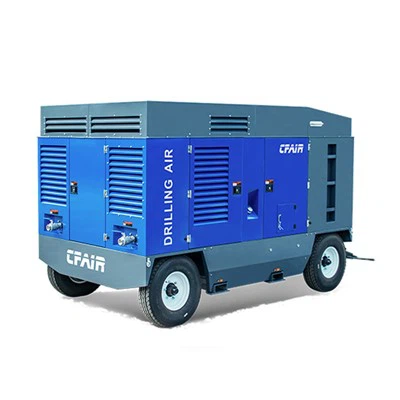
Hey there! As a supplier of Mobile Air Compressors, I've seen firsthand how these nifty machines can make a world of difference in various industries. Whether you're in construction, automotive repair, or any field that requires a reliable source of compressed air on the go, a mobile air compressor is a game-changer. But like any powerful tool, it comes with its own set of safety risks. So, let's talk about what safety precautions you should take when using a mobile air compressor.
Before You Start
First things first, you gotta do a pre - use inspection. Just like you'd check your car before a long drive, you need to give your mobile air compressor a once - over. Look for any signs of damage, like cracks in the hoses, loose fittings, or leaks. If you spot anything suspicious, don't fire it up. Fix the issue or get it checked out by a professional.
Another important step is to read the manual. I know, I know, it's a pain, but it's full of valuable information. The manufacturer puts that stuff in there for a reason. It'll tell you things like the correct operating pressure, how to start and stop the compressor safely, and what kind of maintenance it needs.
Location, Location, Location
Where you set up your mobile air compressor matters big time. It should be on a flat, stable surface. If it's on an uneven surface, it could tip over while it's running, which is super dangerous. Also, make sure it's in a well - ventilated area. Mobile air compressors, especially Diesel Mobile Air Compressor, produce exhaust fumes. Breathing in those fumes can make you really sick, so keep it away from enclosed spaces.
Keep it clear of any flammable materials. Compressed air can cause sparks, and if there are flammable substances nearby, it could lead to a fire or an explosion. So, no gasoline cans or piles of sawdust within reach.
Electrical Safety
If you're using an electric mobile air compressor, electrical safety is crucial. Always use a proper grounded outlet. Don't use extension cords that are frayed or damaged. If you have to use an extension cord, make sure it's the right gauge for the compressor's power requirements. Using the wrong gauge can cause overheating and potentially start a fire.
Never touch the compressor or any of its parts with wet hands. Water and electricity don't mix, and you could get a nasty shock.
Pressure Safety
One of the most important aspects of using a mobile air compressor is managing the pressure. Don't exceed the maximum pressure rating of the compressor or any of the tools you're using with it. Over - pressurizing can cause hoses to burst, fittings to come loose, or even damage the compressor itself.
Install a pressure relief valve. This is a safety device that will release excess pressure if it builds up too high. It's like a safety net for your compressor. Check the pressure relief valve regularly to make sure it's working properly.
Hose and Fitting Safety
The hoses and fittings on your mobile air compressor are like the arteries and veins of the system. Inspect them regularly for signs of wear and tear. Replace any hoses that are cracked, brittle, or have loose fittings. A leaking hose can not only waste compressed air but also pose a tripping hazard.
When connecting and disconnecting hoses, make sure the compressor is turned off and the pressure is released. Trying to do it while the compressor is running can cause the hose to whip around, which can hurt you or damage nearby equipment.
Protective Gear
Wearing the right protective gear is non - negotiable. Safety glasses are a must. Compressed air can blow debris into your eyes, and that's not something you want. Ear protection is also important, especially if you're using a noisy compressor like a Quiet Portable Air Compressor (even though it's quiet, it can still be loud enough to damage your hearing over time).
Gloves are a good idea too. They'll protect your hands from cuts, burns, and abrasions. And if you're working in an area where there's a risk of falling objects, wear a hard hat.
Maintenance
Regular maintenance is key to keeping your mobile air compressor safe and running smoothly. Change the oil as recommended by the manufacturer. Dirty oil can cause the compressor to overheat and break down. Check the air filter regularly and clean or replace it when needed. A clogged air filter can reduce the compressor's efficiency and put extra strain on the engine.
Inspect the belts and pulleys for wear and tension. Loose or worn - out belts can slip, causing the compressor to perform poorly or not at all. And keep the compressor clean. Dirt and debris can build up and cause problems over time.
Training
If you have employees using the mobile air compressor, make sure they're properly trained. They should know all the safety precautions we've talked about and how to operate the compressor correctly. A little training can go a long way in preventing accidents.


Emergency Procedures
Know what to do in case of an emergency. Have a fire extinguisher nearby, just in case. Make sure everyone knows how to use it. In case of a serious malfunction or injury, have an emergency plan in place. Know where the nearest first - aid kit is and how to get medical help quickly.
Conclusion
Using a mobile air compressor can be really useful, but it's important to do it safely. By following these safety precautions, you can minimize the risks and keep yourself and others safe. Whether you're using a Towable Diesel Air Compressor for a big construction project or a smaller one for DIY jobs, safety should always be your top priority.
If you're in the market for a new mobile air compressor or need more information about the safety features of our products, don't hesitate to reach out. We're here to help you make the right choice and ensure that you're using your compressor safely and effectively.
References
- User Guide for Mobile Air Compressors
- Occupational Safety and Health Administration (OSHA) Guidelines for Compressed Air Equipment
- Industry Best Practices for Mobile Air Compressor Safety