Can a diesel driven compressor be used for food processing?
As a supplier of diesel driven compressors, I often encounter inquiries from customers in various industries about the suitability of our products for their specific applications, especially in the food processing sector. This blog aims to explore the feasibility and considerations of using a diesel driven compressor in food processing.
Understanding Diesel Driven Compressors
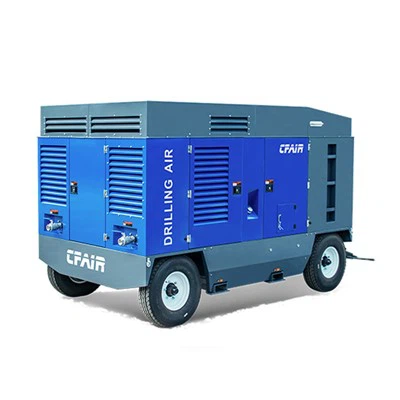
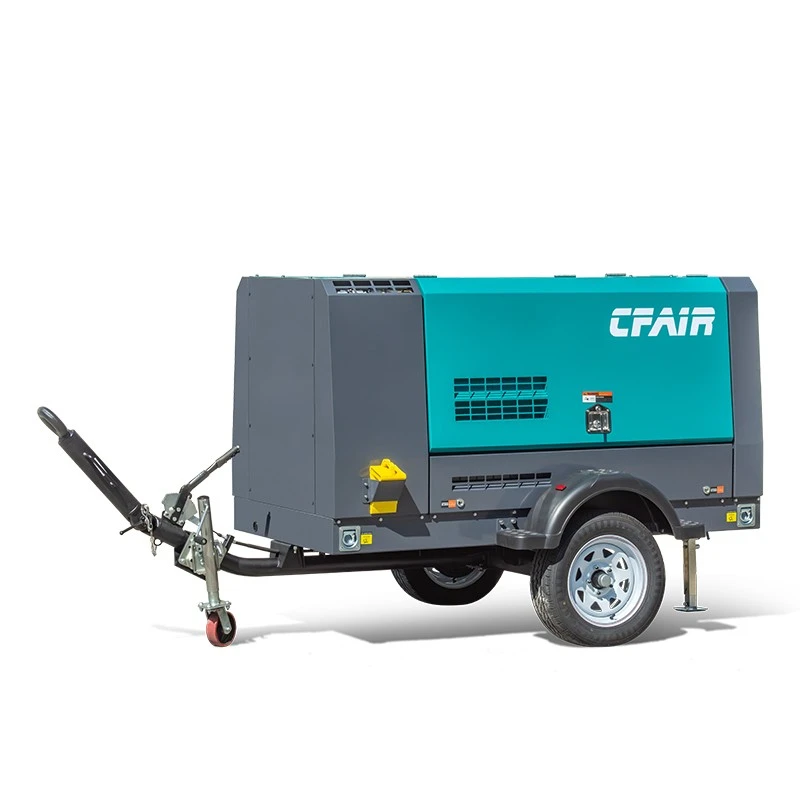
Diesel driven compressors are known for their portability, high - power output, and reliability, especially in areas where access to electricity is limited. They work by using a diesel engine to power the compression mechanism, which can generate a large volume of compressed air. Our company offers a range of diesel driven compressors, including Mobile Diesel Compressor, Mining Compressor, and Mobile Air Compressor, which are designed to meet different operational requirements.
The Requirements of Food Processing
Food processing is a highly regulated industry with strict standards to ensure the safety and quality of food products. Compressed air used in food processing must be clean, dry, and free from contaminants such as oil, water, dust, and microorganisms. This is because any contamination in the compressed air can potentially contaminate the food, leading to spoilage, health risks, and non - compliance with food safety regulations.
Feasibility of Using Diesel Driven Compressors in Food Processing
Advantages
- Portability: In some food processing operations, such as outdoor food festivals or mobile food production units, the portability of diesel driven compressors is a significant advantage. They can be easily transported to different locations without the need for a fixed power source, allowing for flexible operation.
- High - power Output: Diesel engines can provide high - power output, which is suitable for large - scale food processing operations that require a large volume of compressed air. For example, in the packaging process of large - quantity food products, a high - capacity compressor is needed to ensure efficient operation.
Challenges
- Oil Contamination: Diesel engines typically use lubricating oil, and there is a risk of oil carry - over into the compressed air. Oil in the compressed air can contaminate food products, affect their taste and quality, and pose a health risk to consumers.
- Exhaust Emissions: Diesel engines produce exhaust emissions, including particulate matter, nitrogen oxides, and carbon monoxide. If the compressor is used in an enclosed food processing environment, these emissions can contaminate the air and pose a threat to the health of workers and the quality of food products.
- Air Quality: Ensuring the compressed air meets the strict air quality standards of the food processing industry can be challenging with diesel driven compressors. Additional filtration and purification systems are required to remove oil, water, and other contaminants from the compressed air.
Solutions to Overcome Challenges
Oil - free Compression Technology
Some modern diesel driven compressors are equipped with oil - free compression technology. This technology eliminates the risk of oil contamination in the compressed air by using alternative lubrication methods or dry compression mechanisms. By choosing an oil - free diesel driven compressor, food processors can ensure that the compressed air is clean and suitable for use in food processing.
Advanced Filtration and Purification Systems
Installing advanced filtration and purification systems is essential to ensure the quality of compressed air. These systems typically include pre - filters to remove large particles, coalescing filters to remove oil and water droplets, and activated carbon filters to remove odors and remaining contaminants. Regular maintenance and replacement of filters are also necessary to ensure the effectiveness of the filtration system.

Proper Ventilation
In food processing facilities where diesel driven compressors are used, proper ventilation is crucial to remove exhaust emissions from the engine. Adequate ventilation systems should be installed to ensure that the air in the processing area remains clean and free from harmful pollutants.
Case Studies
In some small - scale food processing operations, such as artisanal cheese making or mobile food trucks, diesel driven compressors have been successfully used with proper precautions. For example, a mobile food truck that offers freshly baked pastries uses a diesel driven compressor with an oil - free compression system and a high - efficiency filtration unit. The compressor provides the necessary compressed air for the dough mixing and packaging processes, and the advanced filtration system ensures that the compressed air is clean and safe for use in food production.
Regulatory Compliance
Food processing operations must comply with various national and international food safety regulations. When using a diesel driven compressor in food processing, it is essential to ensure that the compressor and the associated air treatment systems meet the requirements of relevant regulations, such as the Hazard Analysis and Critical Control Points (HACCP) system and the standards set by the Food and Drug Administration (FDA) in the United States or the European Food Safety Authority (EFSA) in Europe.
Conclusion
In conclusion, while there are challenges in using diesel driven compressors in food processing, it is possible to use them safely and effectively with the right technology and precautions. By choosing oil - free compression technology, installing advanced filtration and purification systems, and ensuring proper ventilation, food processors can benefit from the portability and high - power output of diesel driven compressors while meeting the strict air quality requirements of the food processing industry.
If you are a food processor and are considering using a diesel driven compressor for your operations, or if you have any questions about our diesel driven compressors, we encourage you to contact us for a detailed consultation. Our team of experts can help you select the most suitable compressor for your specific needs and provide you with solutions to ensure compliance with food safety regulations.
References
- "Food Safety and Quality Assurance in the Food Industry", by John F. Kennedy.
- "Compressed Air Systems for Industrial Applications", by Peter A. Schweitzer.
- Industry standards and guidelines related to food safety and compressed air quality, such as HACCP and FDA regulations.