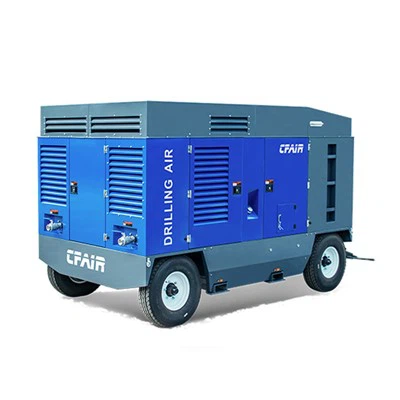
When it comes to industrial equipment, understanding the size and weight of machinery is crucial for efficient operation, transportation, and installation. As a supplier of Stage V air compressors, I am often asked about the specific size and weight details of these powerful machines. In this blog post, I will delve into the factors that influence the size and weight of Stage V air compressors, providing you with a comprehensive understanding of what to expect.
Factors Influencing Size and Weight
1. Compressor Type
There are various types of air compressors, including reciprocating, rotary screw, and centrifugal compressors. Each type has its own design characteristics that affect size and weight. For example, reciprocating compressors typically have a more compact design but can be heavier due to the presence of pistons and cylinders. Rotary screw compressors, on the other hand, are known for their continuous operation and can be larger in size but may have a more uniform weight distribution. Centrifugal compressors are often the largest and heaviest, as they are designed for high-capacity applications.
2. Capacity
The capacity of an air compressor, measured in cubic feet per minute (CFM) or liters per second (L/s), is a significant factor in determining its size and weight. Higher-capacity compressors require larger components, such as motors, cylinders, and tanks, to generate and store more compressed air. As a result, they tend to be larger and heavier than lower-capacity models. For instance, a small portable air compressor with a capacity of 5 - 10 CFM may weigh around 50 - 100 pounds, while an industrial-grade compressor with a capacity of 100 - 200 CFM can weigh several thousand pounds.

3. Power Source
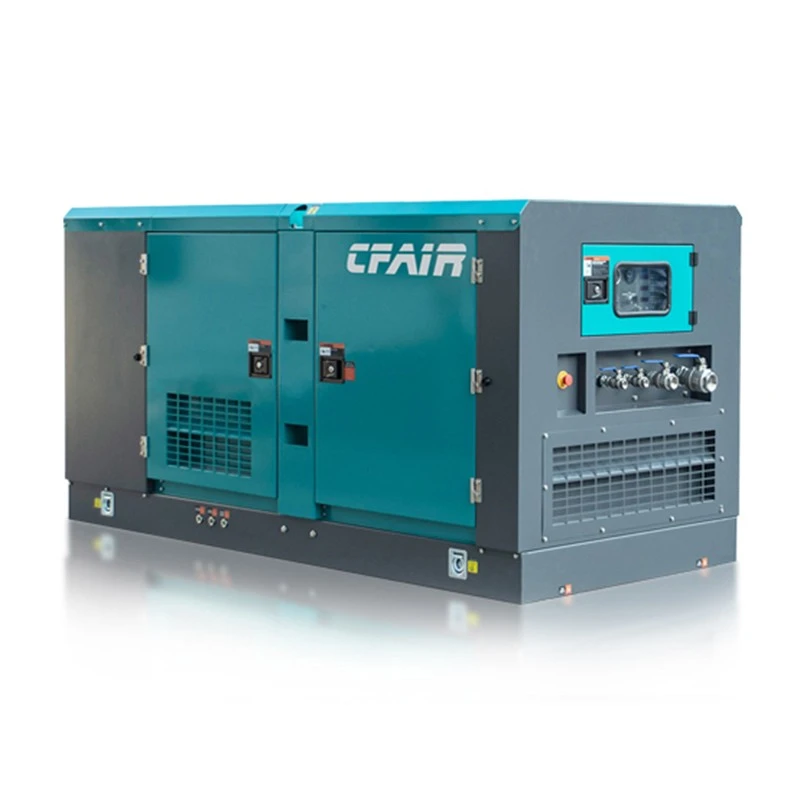
The power source of an air compressor also plays a role in its size and weight. Electric compressors are generally lighter and more compact than diesel or gasoline-powered models, as they do not require a large engine or fuel tank. However, they may require a larger electrical supply and additional wiring, which can add to the overall size of the unit. Diesel and gasoline compressors, on the other hand, are more suitable for remote locations or areas without access to electricity but are typically heavier due to the engine and fuel storage.
4. Additional Features
Many Stage V air compressors come with additional features, such as air dryers, filters, and sound enclosures, which can increase their size and weight. Air dryers remove moisture from the compressed air, improving its quality and preventing corrosion in the system. Filters help to remove contaminants, ensuring clean air for various applications. Sound enclosures reduce the noise level generated by the compressor, making it more suitable for indoor or noise-sensitive environments. While these features enhance the performance and usability of the compressor, they also add to its overall dimensions and weight.
Typical Size and Weight Ranges
1. Portable Air Compressors
Portable air compressors are designed for small-scale applications, such as DIY projects, automotive repairs, and small workshops. They are typically lightweight and easy to move around, with a size that allows for convenient storage. The weight of portable air compressors can range from 20 - 200 pounds, depending on their capacity and features. Their dimensions are usually compact, with a height of 2 - 3 feet, a width of 1 - 2 feet, and a depth of 1 - 1.5 feet.
2. Stationary Industrial Compressors
Stationary industrial compressors are used in large-scale manufacturing plants, factories, and industrial facilities. They are designed to provide a continuous supply of compressed air for various processes, such as pneumatic tools, machinery, and automation systems. These compressors are much larger and heavier than portable models, with a weight that can range from 1,000 - 10,000 pounds or more. Their dimensions can vary significantly, depending on the capacity and configuration, but they typically have a height of 5 - 10 feet, a width of 3 - 6 feet, and a depth of 3 - 5 feet.
Importance of Size and Weight Considerations
1. Transportation and Installation
The size and weight of an air compressor are important considerations when it comes to transportation and installation. Larger and heavier compressors may require specialized equipment, such as forklifts or cranes, for loading and unloading. They also need to be installed in a location that can support their weight and provide adequate space for operation and maintenance. Additionally, the size of the compressor may affect its ability to fit through doorways, hallways, and other access points, so it is essential to measure the available space before purchasing a unit.
2. Energy Efficiency
The size and weight of an air compressor can also impact its energy efficiency. Larger compressors may consume more energy to operate, especially if they are not properly sized for the application. It is important to choose a compressor with the right capacity and features to meet the specific requirements of your operation, as this can help to reduce energy consumption and lower operating costs.
3. Maintenance and Serviceability
The size and weight of an air compressor can affect its maintenance and serviceability. Larger compressors may be more difficult to access and service, requiring more time and effort for routine maintenance tasks, such as oil changes, filter replacements, and inspections. It is important to consider the ease of maintenance when choosing a compressor, as this can help to ensure its long-term reliability and performance.
Where to Find the Right Stage V Air Compressor
If you are in the market for a Stage V air compressor, there are several resources available to help you find the right model for your needs. Air Compressor Industrial offers a wide range of industrial-grade air compressors, with detailed specifications and technical information to help you make an informed decision. Best Portable Air Compressor for Sandblasting provides recommendations for portable compressors suitable for sandblasting applications, taking into account factors such as size, weight, and performance. Yanmar Air Compressor offers high-quality air compressors known for their reliability and efficiency.
Contact for Purchase and Consultation
If you have any questions about the size, weight, or other aspects of Stage V air compressors, or if you are interested in purchasing a compressor for your business, please feel free to contact us. Our team of experts is available to provide you with detailed information, answer your queries, and assist you in finding the perfect compressor for your specific requirements. We look forward to the opportunity to work with you and help you achieve your industrial goals.
References
- Compressed Air and Gas Institute (CAGI). (n.d.). Air Compressor Handbook.
- ASME Boiler and Pressure Vessel Code. (n.d.). Section VIII: Rules for Construction of Pressure Vessels.
- OSHA. (n.d.). Occupational Safety and Health Standards for Compressed Air Systems.