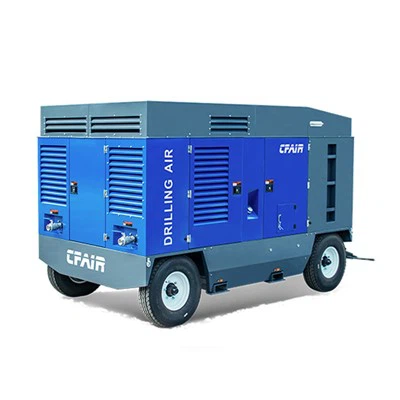
Hey there! As a supplier of oil-free air compressors, I get asked a lot about how to upgrade these nifty machines. Whether you're looking to boost performance, increase efficiency, or simply keep up with the latest tech, upgrading your oil-free air compressor can be a game-changer. In this blog, I'll walk you through the steps and considerations for a successful upgrade.
Why Upgrade Your Oil-Free Air Compressor?
Before we dive into the how-to, let's talk about why you might want to upgrade your oil-free air compressor in the first place. Over time, technology advances, and your old compressor might not be cutting it anymore. Maybe it's becoming less efficient, producing less air, or causing more maintenance headaches. Upgrading can help you:
- Improve Efficiency: Newer models are designed with advanced technologies that use less energy to produce the same amount of air. This can lead to significant cost savings on your energy bills.
- Enhance Performance: Upgraded compressors often have higher air delivery rates and better pressure control, which means they can handle more demanding applications.
- Reduce Maintenance: Modern oil-free air compressors are built with fewer moving parts and better materials, resulting in less wear and tear and fewer breakdowns.
- Meet Regulatory Requirements: As environmental regulations become stricter, upgrading to a more eco-friendly compressor can help you stay compliant.
Assessing Your Current Compressor
The first step in upgrading your oil-free air compressor is to assess its current condition and performance. Here are some things to consider:


- Age and Usage: How old is your compressor, and how often is it used? Older compressors that have been heavily used are more likely to need an upgrade.
- Performance Issues: Are you experiencing any problems with your compressor, such as low air pressure, excessive noise, or frequent breakdowns? These could be signs that it's time for an upgrade.
- Energy Consumption: Check your energy bills to see how much you're spending on running your compressor. If it's higher than expected, a more efficient model could save you money.
- Application Requirements: Consider the specific applications your compressor is used for. If you're planning to expand your operations or take on more demanding tasks, you'll need a compressor with higher performance capabilities.
Choosing the Right Upgrade
Once you've assessed your current compressor, it's time to choose the right upgrade. Here are some factors to consider:
- Type of Compressor: There are several types of oil-free air compressors available, including reciprocating, rotary screw, and centrifugal. Each type has its own advantages and disadvantages, so choose the one that best suits your needs.
- Size and Capacity: Make sure the new compressor has enough capacity to meet your current and future air demand. Consider factors such as the number of tools or equipment that will be using the compressed air, the required air pressure, and the duty cycle.
- Energy Efficiency: Look for a compressor with a high energy efficiency rating. This will not only save you money on energy costs but also reduce your environmental impact.
- Features and Options: Consider the features and options that are important to you, such as automatic shut-off, remote monitoring, and noise reduction. These can enhance the performance and convenience of your compressor.
Upgrading Your Compressor
Now that you've chosen the right upgrade, it's time to start the installation process. Here are the general steps involved:
- Prepare the Installation Site: Make sure the installation site is clean, dry, and well-ventilated. The compressor should be placed on a level surface and away from any sources of heat or moisture.
- Disconnect the Old Compressor: Before you start working on the new compressor, make sure to disconnect the old one from the power supply and any air lines.
- Install the New Compressor: Follow the manufacturer's instructions to install the new compressor. This may involve mounting the compressor, connecting the air lines, and wiring the electrical components.
- Test the New Compressor: Once the new compressor is installed, test it to make sure it's working properly. Check the air pressure, flow rate, and any other performance parameters.
- Train Your Staff: If your employees will be using the new compressor, make sure they are trained on how to operate it safely and effectively.
Maintenance and Support
After you've upgraded your oil-free air compressor, it's important to keep it properly maintained to ensure optimal performance and longevity. Here are some maintenance tips:
- Follow the Manufacturer's Recommendations: Read the owner's manual and follow the manufacturer's recommended maintenance schedule. This may include tasks such as changing the filters, checking the oil level (if applicable), and inspecting the belts and hoses.
- Keep the Compressor Clean: Regularly clean the compressor to remove any dirt, dust, or debris. This will help prevent clogging and damage to the components.
- Monitor the Performance: Keep an eye on the compressor's performance parameters, such as air pressure, flow rate, and temperature. If you notice any changes or issues, address them promptly.
- Get Professional Support: If you're not comfortable performing maintenance tasks yourself, consider hiring a professional compressor service provider. They can provide regular maintenance, repairs, and troubleshooting.
Conclusion
Upgrading your oil-free air compressor can be a smart investment that pays off in the long run. By improving efficiency, enhancing performance, and reducing maintenance, you can save money, increase productivity, and stay competitive in your industry. If you're considering an upgrade, I encourage you to check out our Oil Free Compressors and Oil-Free Rotary Screw Air Compressor options. We also offer Compressor Oil Free solutions to meet your specific needs.
If you have any questions or would like to discuss your upgrade options, please don't hesitate to contact us. We're here to help you find the right compressor for your business and ensure a smooth installation process.
References
- Compressed Air and Gas Institute (CAGI). "Compressed Air Best Practices."
- International Standards Organization (ISO). "ISO 8573-1:2010 Compressed air - Part 1: Contaminants and purity classes."
- U.S. Department of Energy. "Energy Efficiency and Renewable Energy: Compressed Air Systems."