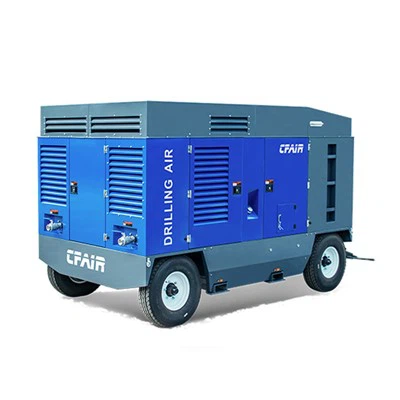
Hey there! As a supplier of T4F air compressors, I often get asked about the recommended maintenance schedule for these bad boys. So, I thought I'd sit down and share some insights with you all.
First off, let's understand why maintenance is so crucial for T4F air compressors. These machines are workhorses, and like any hard - working equipment, they need proper care to keep running smoothly. Regular maintenance not only extends the lifespan of the compressor but also ensures optimal performance and reduces the risk of costly breakdowns.
Daily Maintenance
On a daily basis, there are a few simple checks you should perform. First, take a look at the oil level. Just like in your car, the right amount of oil is essential for the compressor's internal components to operate without excessive friction. If the oil level is low, top it up using the recommended oil type. Make sure to check the oil color as well. If it looks dirty or has a milky appearance, it might be a sign of a problem, like coolant mixing with the oil.
Next, inspect the air intake filter. A clogged filter can restrict airflow, which puts extra strain on the compressor. If the filter looks dirty, clean it or replace it as needed. It's also a good idea to check for any loose or damaged hoses. A leaky hose can lead to a loss of pressure and efficiency.
Weekly Maintenance
Once a week, you should drain the moisture from the air receiver tank. Compressed air contains moisture, and if it's not drained regularly, it can cause corrosion inside the tank. Simply open the drain valve at the bottom of the tank and let the water out until only air is coming through.
Also, check the drive belts. Look for signs of wear, such as cracks or fraying. If the belts are loose, you can adjust their tension according to the manufacturer's instructions. Loose belts can slip, which reduces the power transfer to the compressor and can cause overheating.
Monthly Maintenance
On a monthly basis, you'll want to give the compressor a more thorough inspection. Check the electrical connections. Loose or corroded connections can lead to electrical problems, which can be dangerous and can damage the compressor. Make sure all the wires are secure and there are no signs of overheating or burning.
Inspect the cooling system. For air - cooled compressors, clean the cooling fins to ensure proper airflow. For water - cooled compressors, check the water level and the condition of the cooling lines. A malfunctioning cooling system can cause the compressor to overheat, which can lead to premature wear and tear.
Quarterly Maintenance
Every three months, it's time to change the oil and the oil filter. The oil in the compressor breaks down over time and accumulates contaminants. Changing the oil and filter regularly helps keep the internal components clean and lubricated.
You should also check the compressor's valves. Over time, valves can wear out or become clogged, which can affect the compressor's performance. Inspect the valves for any signs of damage or debris and clean or replace them as necessary.
Annual Maintenance
Once a year, it's a good idea to have a professional technician perform a comprehensive inspection of the T4F air compressor. They can check the alignment of the motor and the compressor, test the safety valves, and perform any necessary adjustments or repairs.
Now, let's talk about the different types of T4F air compressors and how their maintenance might vary.
Mobile Air Compressors
Mobile Air Compressors are designed for on - the - go applications. Since they are often moved around, they may be more prone to vibration - related issues. You need to pay extra attention to the mounting hardware to make sure it's tight. Also, because they are exposed to different environments, the air intake filter may get dirty more quickly, so more frequent checks are recommended.
Engine Powered Air Compressor
Engine Powered Air Compressor has an engine as its power source. In addition to the regular compressor maintenance, you need to follow the engine manufacturer's maintenance schedule. This includes tasks like changing the engine oil, spark plugs (for gasoline engines), and air filters specific to the engine.
Yanmar Diesel Air Compressor
Yanmar Diesel Air Compressor runs on diesel fuel. Diesel engines require special attention to the fuel system. You need to check the fuel filter regularly and make sure the fuel is clean. Diesel engines also need proper maintenance of the injection system to ensure efficient combustion.


In conclusion, following a proper maintenance schedule is key to getting the most out of your T4F air compressor. By performing these regular checks and maintenance tasks, you can save money in the long run by avoiding major repairs and extending the life of your equipment.
If you're in the market for a T4F air compressor or have any questions about maintenance, don't hesitate to reach out. We're here to help you make the right choice and keep your compressor running at its best. Whether you're a small business owner or a large industrial operation, we've got the expertise and the products to meet your needs.
References
- T4F Air Compressor User Manual
- Industry Best Practices for Air Compressor Maintenance