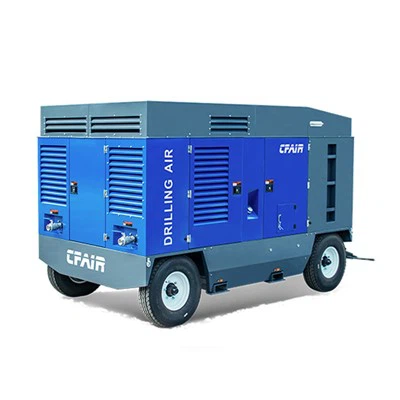
Troubleshooting electrical problems in a towable air compressor can be a daunting task, but with the right knowledge and approach, you can quickly identify and resolve issues. As a towable air compressor supplier, I've encountered various electrical problems over the years and have learned effective troubleshooting methods. In this blog post, I'll share some common electrical issues in towable air compressors and provide step-by-step guidance on how to troubleshoot them.
Understanding the Electrical System of a Towable Air Compressor
Before diving into troubleshooting, it's essential to understand the basic components of the electrical system in a towable air compressor. The electrical system typically includes a power source (such as a battery or an external power supply), a control panel, wiring, switches, relays, and electric motors. These components work together to provide power to the compressor and control its operation.
Common Electrical Problems and Troubleshooting Steps
1. Compressor Won't Start
One of the most common electrical problems is when the compressor fails to start. Here are the steps to troubleshoot this issue:
- Check the Power Source: Ensure that the compressor is properly connected to a reliable power source. If it's battery-powered, check the battery voltage using a multimeter. A fully charged battery should read around 12.6 volts. If the voltage is low, recharge or replace the battery. If it's connected to an external power supply, check the circuit breaker or fuse to make sure it hasn't tripped or blown.
- Inspect the Control Panel: Look for any error messages or indicator lights on the control panel. Some compressors have diagnostic systems that can provide information about the problem. Check if all the switches and buttons on the control panel are in the correct position.
- Test the Starter Motor: If the compressor has a starter motor, listen for a clicking sound when you try to start it. A clicking sound may indicate a problem with the starter solenoid or a weak battery. You can test the starter motor by bypassing the solenoid using a jumper wire. However, this should be done with caution as it involves working with high-voltage components.
- Check the Wiring: Inspect the wiring for any signs of damage, such as frayed wires, loose connections, or corrosion. A damaged wire can prevent the flow of electricity and cause the compressor to malfunction. Repair or replace any damaged wiring as needed.
2. Overheating of Electrical Components
Overheating of electrical components can be a serious problem that can lead to equipment failure or even a fire. Here's how to troubleshoot this issue:
- Check the Ventilation: Make sure that the compressor has adequate ventilation. Blocked vents can cause heat to build up inside the compressor, leading to overheating. Clean any dirt or debris from the vents and ensure that there is enough space around the compressor for proper air circulation.
- Inspect the Cooling Fan: If the compressor has a cooling fan, check if it's working properly. A malfunctioning fan can cause the electrical components to overheat. You can test the fan by turning on the compressor and listening for the sound of the fan running. If the fan isn't working, check the wiring and the fan motor.
- Measure the Temperature: Use an infrared thermometer to measure the temperature of the electrical components. If the temperature is too high, it may indicate a problem with the component or the electrical system. Check the manufacturer's specifications for the maximum operating temperature of the components.
3. Erratic Operation or Intermittent Power Loss
If the compressor is operating erratically or experiencing intermittent power loss, the following steps can help you troubleshoot the issue:


- Check the Ground Connection: A poor ground connection can cause electrical problems, including erratic operation. Make sure that the compressor is properly grounded. Check the ground wire for any signs of damage or loose connections.
- Inspect the Relays and Switches: Relays and switches can wear out over time, causing intermittent power loss. Check the relays and switches for any signs of damage, such as burnt contacts or corrosion. You can test the relays and switches using a multimeter. Replace any faulty components as needed.
- Look for Loose Connections: Loose connections can cause intermittent power loss. Check all the electrical connections in the compressor, including the wiring harnesses, terminals, and connectors. Tighten any loose connections.
4. Faulty Pressure Switch
The pressure switch is an important component that controls the operation of the compressor based on the air pressure. If the pressure switch is faulty, the compressor may not start or stop at the correct pressure. Here's how to troubleshoot a faulty pressure switch:
- Check the Pressure Settings: Make sure that the pressure switch is set to the correct pressure range. You can adjust the pressure settings according to the manufacturer's instructions.
- Test the Pressure Switch: Use a multimeter to test the continuity of the pressure switch. A faulty pressure switch may not have continuity, indicating that it needs to be replaced.
- Inspect the Diaphragm: Some pressure switches have a diaphragm that can become damaged or worn out. Check the diaphragm for any signs of damage, such as cracks or leaks. Replace the diaphragm if necessary.
Safety Precautions
When troubleshooting electrical problems in a towable air compressor, it's important to follow safety precautions to avoid injury or damage to the equipment. Here are some safety tips:
- Turn Off the Power: Before working on the electrical system, turn off the power source to the compressor. This will prevent electrical shock.
- Use Personal Protective Equipment (PPE): Wear appropriate PPE, such as insulated gloves and safety glasses, when working with electrical components.
- Follow the Manufacturer's Instructions: Always follow the manufacturer's instructions when troubleshooting and repairing the compressor. If you're unsure about any step, consult a qualified technician.
Conclusion
Troubleshooting electrical problems in a towable air compressor requires a systematic approach and a basic understanding of the electrical system. By following the steps outlined in this blog post, you can identify and resolve common electrical issues in your compressor. However, if you're unable to troubleshoot the problem or if you're not comfortable working with electrical components, it's recommended to seek the assistance of a qualified technician.
As a towable air compressor supplier, we offer a wide range of high-quality Diesel Powered Air Compressor, Mobile Diesel Air Compressor, and Diesel Driven Compressor. Our compressors are designed to provide reliable performance and are backed by our excellent customer service. If you're in the market for a towable air compressor or need assistance with troubleshooting, don't hesitate to contact us for more information and to discuss your specific requirements.
References
- Manufacturer's manuals for towable air compressors
- Electrical troubleshooting guides for industrial equipment