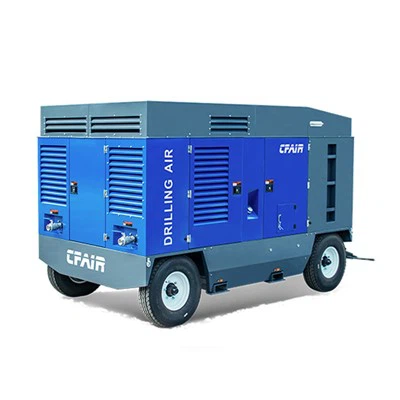
What is the oil change interval for a diesel driven compressor?
As a seasoned supplier of Diesel Driven Compressors, I often encounter inquiries from customers regarding the optimal oil change interval for these powerful machines. Understanding the correct oil change schedule is crucial for maintaining the performance, longevity, and reliability of your diesel driven compressor. In this blog post, I will delve into the factors that influence the oil change interval, provide general guidelines, and offer insights to help you make informed decisions about your compressor's maintenance.
Factors Affecting the Oil Change Interval
The oil change interval for a diesel driven compressor is not a one - size - fits - all value. Several factors come into play when determining how often the oil should be changed:
Operating Conditions
The environment in which the compressor operates has a significant impact on the oil's lifespan. Compressors used in dusty, dirty, or humid environments are more likely to experience oil contamination. Dust particles can enter the compressor and mix with the oil, causing increased wear on internal components. High humidity can lead to water condensation in the oil, which can accelerate oxidation and corrosion. For example, if a compressor is used in a construction site where there is a lot of dust, the oil may need to be changed more frequently compared to a compressor used in a clean industrial setting.
Compressor Usage
The frequency and intensity of compressor usage also play a role. A compressor that is used continuously for long periods will put more stress on the oil than one that is used intermittently. High - load operations, such as when the compressor is working at its maximum capacity for extended periods, can cause the oil to break down more quickly. If a compressor is used for peak - shaving in an industrial plant during high - demand periods, it may require more frequent oil changes.
Oil Quality
The quality of the oil used in the compressor is another important factor. High - quality synthetic oils generally have better thermal stability, oxidation resistance, and anti - wear properties compared to conventional mineral oils. Synthetic oils can often last longer and provide better protection for the compressor's internal components. Therefore, using a high - quality synthetic oil may allow for a longer oil change interval.
General Guidelines for Oil Change Intervals
While the specific oil change interval can vary depending on the factors mentioned above, here are some general guidelines:
Light - Duty Usage
For compressors that are used for light - duty applications, such as in small workshops or for occasional tasks, and are operated in relatively clean environments, the oil change interval can be around 500 - 1000 operating hours. This could be suitable for a small Portable Diesel Air Compressors used for inflating tires or powering small pneumatic tools in a garage.
Medium - Duty Usage
Compressors used for medium - duty applications, such as in some manufacturing plants or for regular construction site work, may require an oil change every 250 - 500 operating hours. A Portable Screw Air Compressor used in a medium - sized manufacturing facility for powering pneumatic machinery falls into this category.
Heavy - Duty Usage
In heavy - duty applications, where the compressor is used continuously under high - load conditions, such as in large industrial plants or on large construction projects, the oil may need to be changed every 100 - 250 operating hours. A Mobile Diesel Air Compressor used for continuous blasting operations in a mining site is an example of heavy - duty usage.
It's important to note that these are just general guidelines, and it's always best to refer to the compressor manufacturer's recommendations. The manufacturer has in - depth knowledge of the compressor's design and performance characteristics and can provide the most accurate oil change interval for your specific model.
Monitoring the Oil Condition
In addition to following the general guidelines and the manufacturer's recommendations, it's a good practice to monitor the oil condition regularly. You can do this through oil analysis. Oil analysis involves taking a sample of the oil and sending it to a laboratory for testing. The laboratory can analyze the oil for various parameters such as viscosity, contamination levels, and the presence of wear metals.
By monitoring the oil condition, you can detect early signs of problems such as oil degradation, contamination, or excessive wear on internal components. If the oil analysis shows that the oil is deteriorating faster than expected, you may need to shorten the oil change interval. On the other hand, if the oil is in good condition, you may be able to extend the oil change interval slightly, as long as it is within the manufacturer's recommended limits.
Importance of Regular Oil Changes
Regular oil changes are essential for the proper functioning of a diesel driven compressor. Here's why:


Lubrication
The oil in a compressor provides lubrication for the moving parts, such as the pistons, bearings, and gears. Without proper lubrication, these parts can experience increased friction and wear, which can lead to premature failure. Regular oil changes ensure that the oil maintains its lubricating properties and can effectively protect the compressor's internal components.
Cooling
The oil also helps to cool the compressor by dissipating heat generated during operation. As the oil circulates through the compressor, it absorbs heat and transfers it to the oil cooler. Over time, the oil's ability to cool the compressor can be reduced as it breaks down and becomes contaminated. Changing the oil regularly helps to maintain its cooling efficiency.
Contamination Control
As mentioned earlier, the oil can become contaminated with dust, dirt, water, and other impurities. These contaminants can cause damage to the compressor's internal components. Regular oil changes remove the contaminated oil and replace it with clean oil, reducing the risk of component failure due to contamination.
Conclusion
Determining the oil change interval for a diesel driven compressor requires considering various factors such as operating conditions, compressor usage, and oil quality. While general guidelines can provide a starting point, it's crucial to follow the manufacturer's recommendations and monitor the oil condition regularly. Regular oil changes are essential for maintaining the performance, reliability, and longevity of your compressor.
If you are in the market for a diesel driven compressor or need more information about compressor maintenance, we are here to help. Our team of experts can provide you with detailed advice on choosing the right compressor for your needs and ensuring its proper maintenance. Contact us to start a discussion about your compressor requirements and how we can assist you in making the best purchasing decision.
References
- Compressor Manufacturer's Manuals
- Industry Standards for Compressor Maintenance
- Technical Papers on Compressor Lubrication and Oil Analysis