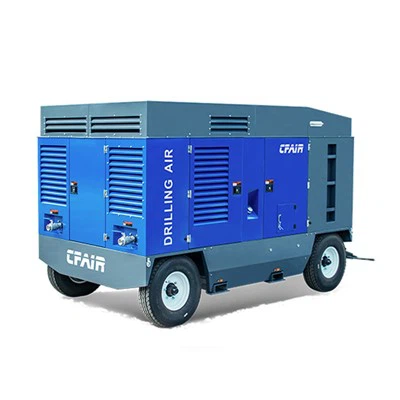
Hey there! As a supplier of portable air compressors, I often get asked about the maximum pressure these nifty machines can reach. It's a crucial question, especially for those who rely on these compressors for various tasks. So, let's dive right in and explore this topic.
First off, what exactly is pressure when it comes to a portable air compressor? Pressure is basically the force exerted by the compressed air inside the tank or system. It's usually measured in pounds per square inch (PSI), bar, or kilopascals (kPa). The maximum pressure of a portable air compressor determines how powerful it is and what kind of jobs it can handle.


Now, the maximum pressure of portable air compressors can vary widely. There are different types of portable air compressors out there, and each has its own capabilities.
Let's start with the smaller, more basic models. These are often used for light - duty tasks like inflating tires, blowing up balloons, or powering small pneumatic tools such as nail guns. These compressors typically have a maximum pressure ranging from around 90 PSI to 150 PSI. For example, if you're just looking to inflate your car tires, a compressor with a maximum pressure of 120 PSI should do the job just fine. It can quickly bring your tires up to the recommended pressure level.
On the other hand, if you're dealing with more heavy - duty applications, you'll need a compressor with a higher maximum pressure. Industrial - grade portable air compressors can reach much higher pressures. Some of these can go up to 300 PSI or even more. These are used in construction sites, manufacturing plants, and other places where powerful pneumatic tools are required. For instance, impact wrenches used to loosen or tighten large bolts in construction work need a high - pressure air supply to function effectively. A compressor with a maximum pressure of 200 PSI or above can power these tools with ease.
There are also specialized portable air compressors designed for specific industries. Take the Mining Compressor for example. In the mining industry, where conditions are tough and air - powered equipment needs to work reliably, these compressors often have a high maximum pressure. They can range from 150 PSI to 500 PSI, depending on the specific mining operations. High - pressure air is used to power drills, pumps, and other equipment deep underground.
Another type is the Screw Compressors. Screw compressors are known for their efficiency and ability to deliver a continuous supply of compressed air. They can achieve maximum pressures anywhere from 100 PSI to 250 PSI. These are commonly used in workshops, automotive repair shops, and industrial settings where a consistent and reliable air supply is needed.
Then we have the High - Power Dual Portable Air Compressors. As the name suggests, these are high - power machines. They are designed to handle the most demanding tasks. These compressors can have a maximum pressure of 300 PSI or higher. They are great for large - scale projects, like building bridges or large - scale manufacturing operations.
But it's not just about the maximum pressure. Other factors also play a role in determining the performance of a portable air compressor. One important factor is the cubic feet per minute (CFM) rating. CFM measures the volume of air that the compressor can deliver at a given pressure. A compressor with a high maximum pressure but a low CFM might not be able to keep up with the demand of a tool that requires a large volume of air. For example, a paint sprayer needs a continuous supply of a certain volume of air to work properly. So, you need to consider both the maximum pressure and the CFM rating when choosing a portable air compressor.
The tank size of the compressor also matters. A larger tank can store more compressed air, which means the compressor doesn't have to run as often to maintain the desired pressure. This can be beneficial, especially for tasks that require intermittent use of compressed air. For instance, if you're using a nail gun to install a lot of nails, a compressor with a larger tank can keep up with the demand without constantly cycling on and off.
When it comes to safety, it's important to note that the maximum pressure rating of a compressor is set for a reason. Exceeding this rating can be dangerous. It can cause the tank to rupture, leading to serious injury or damage to property. That's why it's crucial to always follow the manufacturer's instructions and safety guidelines when using a portable air compressor.
Now, if you're in the market for a portable air compressor, you might be wondering which one is right for you. Well, it all depends on your specific needs. If you're a DIY enthusiast doing small home projects, a basic compressor with a maximum pressure of around 120 PSI should be sufficient. But if you're a professional in the construction or manufacturing industry, you'll likely need a more powerful compressor with a higher maximum pressure.
We at our company offer a wide range of portable air compressors to suit different needs and budgets. Whether you need a small, lightweight compressor for occasional use or a heavy - duty industrial - grade compressor, we've got you covered. Our Screw Compressors are known for their reliability and efficiency, while our High - Power Dual Portable Air Compressors are perfect for the most demanding tasks. And if you're in the mining industry, our Mining Compressor is designed to meet the tough requirements of that sector.
If you're interested in learning more about our portable air compressors or have any questions about choosing the right one for your needs, don't hesitate to get in touch. We're here to help you make an informed decision. Whether you're a small business owner, a contractor, or a DIYer, we can find the perfect compressor for you. So, feel free to reach out and start a conversation about your air - compressor needs. We look forward to working with you!
References
- Compressed Air and Gas Handbook, 4th Edition
- Pneumatic Systems Design and Application, 3rd Edition