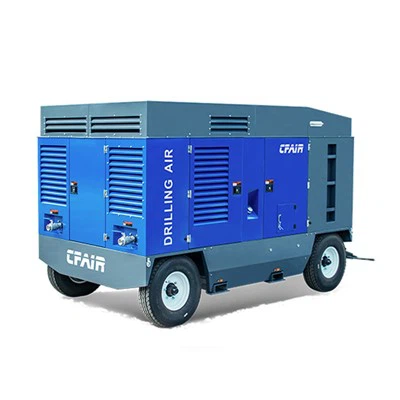
As a supplier of A Portable Air Compressor, I frequently encounter customers who are eager to learn about the maintenance and replacement procedures for various components of their portable air compressors. One common question that comes up is how to replace the tank of a portable air compressor. In this blog post, I'll guide you through the step-by-step process of replacing the tank, sharing insights based on my experience in the industry.
Understanding the Importance of the Air Compressor Tank
Before we delve into the replacement process, it's essential to understand the role of the air compressor tank. The tank serves as a reservoir for compressed air. It helps to stabilize the pressure, allowing the compressor to run less frequently, which extends the life of the motor and other components. Additionally, the tank provides a buffer of compressed air, which can be used for short bursts of high-demand applications.
Tools and Materials Needed
To replace the tank of a portable air compressor, you'll need a few tools and materials. Here's a list to get you started:
- Wrenches (various sizes to fit the compressor's fittings)
- Safety goggles
- Gloves
- A new air compressor tank (make sure it's compatible with your specific model)
- Thread sealant tape
- A flat surface to work on
Step 1: Safety First
Safety should always be your top priority when working on any mechanical equipment. Start by turning off the air compressor and unplugging it from the power source. If it's a Diesel Air Compressor or an Air Compressor Engine Driven, make sure the engine is off and cooled down.
Next, release the pressure from the existing tank. Locate the pressure relief valve on the tank and slowly open it. You'll hear the air escaping. Wait until all the pressure is released, and the pressure gauge reads zero.
Put on your safety goggles and gloves to protect yourself from any potential debris or sharp edges during the replacement process.
Step 2: Disconnect the Old Tank
Once the pressure is released, it's time to disconnect the old tank from the compressor. Start by removing any hoses or pipes connected to the tank. Use the appropriate wrenches to loosen the fittings. Be careful not to damage the hoses or the fittings during this process.
Next, locate the mounting brackets or bolts that secure the tank to the compressor frame. Use the wrenches to remove these brackets or bolts. Once the tank is loose, carefully lift it out of the compressor frame and set it aside.
Step 3: Prepare the New Tank
Before installing the new tank, inspect it carefully for any signs of damage or defects. Check the fittings and connections to make sure they are in good condition. If necessary, clean the fittings with a cloth to remove any dirt or debris.
Apply a thin layer of thread sealant tape to the male threads of the fittings on the new tank. This will help to create a tight seal and prevent air leaks.


Step 4: Install the New Tank
Carefully lift the new tank into the compressor frame and align it with the mounting holes. Insert the mounting brackets or bolts and tighten them securely using the wrenches. Make sure the tank is firmly attached to the frame to prevent any movement during operation.
Next, reconnect the hoses and pipes to the new tank. Use the wrenches to tighten the fittings, but be careful not to overtighten them, as this can damage the fittings or cause leaks.
Step 5: Test the Compressor
Once the new tank is installed and all the connections are secure, it's time to test the compressor. Plug in the compressor or start the engine (if it's a Diesel Air Compressor or an Air Compressor Engine Driven). Turn on the compressor and let it run for a few minutes.
Check for any air leaks around the tank and the connections. You can use a soapy water solution to spray on the fittings. If you see bubbles forming, it indicates an air leak. Tighten the fittings further or check for any damaged seals and replace them if necessary.
Also, monitor the pressure gauge to make sure the compressor is building up pressure correctly. The pressure should increase steadily and reach the desired level.
Troubleshooting
If you encounter any issues during the replacement process or after testing the compressor, here are some common problems and solutions:
- Air Leaks: As mentioned earlier, air leaks can be caused by loose fittings or damaged seals. Tighten the fittings or replace the seals.
- Low Pressure: If the compressor is not building up enough pressure, check the air intake filter for blockages. Clean or replace the filter if necessary. Also, make sure the pressure switch is set correctly.
- Strange Noises: Unusual noises can be a sign of a problem with the compressor motor or other components. Stop the compressor immediately and inspect it for any visible damage. If you're unsure, it's best to consult a professional.
Conclusion
Replacing the tank of a portable air compressor is a task that can be accomplished with the right tools, knowledge, and safety precautions. By following the steps outlined in this blog post, you can ensure a successful tank replacement and keep your air compressor in optimal working condition.
If you're in the market for a new A Portable Air Compressor or need any replacement parts, we're here to help. Our team of experts can assist you in finding the right product for your needs. Whether you're looking for a Diesel Air Compressor for heavy-duty applications or an Air Compressor Engine Driven for on-the-go use, we have a wide range of options to choose from. Contact us today to start a procurement discussion, and let us help you find the perfect solution for your air compression needs.
References
- Compressed Air Systems Handbook
- Portable Air Compressor Manufacturer's Manuals