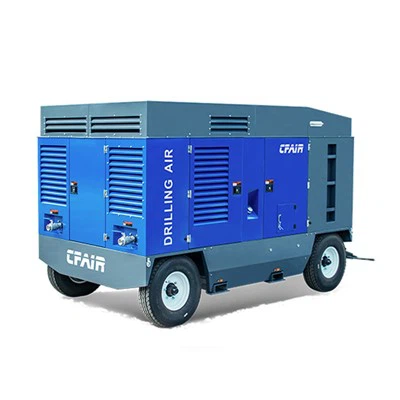
Hey there! As a supplier of mobile air compressors, I often get asked about the maximum pressure of these nifty machines. So, I thought I'd sit down and write a blog post to clear up any confusion and give you all the deets.
First off, let's talk about what a mobile air compressor is. It's basically a compressor that you can move around easily, usually on wheels or mounted on a vehicle. These compressors are super handy for all sorts of jobs, from inflating tires to powering pneumatic tools on a construction site.
Now, the maximum pressure of a mobile air compressor can vary quite a bit depending on the type and model. There are a few different factors that come into play when determining the max pressure, like the design of the compressor, the size of the motor, and the type of pump it uses.

Types of Mobile Air Compressors and Their Max Pressures
Reciprocating Compressors
Reciprocating compressors are one of the most common types of mobile air compressors. They work by using a piston to compress the air. These compressors can typically reach maximum pressures ranging from about 100 to 200 pounds per square inch (psi). Some smaller, portable reciprocating compressors might have a max pressure of around 100 psi, which is plenty for tasks like inflating bike tires or small car tires. On the other hand, larger industrial - grade reciprocating compressors can go up to 200 psi, which is great for powering more heavy - duty pneumatic tools.
Rotary Screw Compressors
Rotary screw compressors are another popular option. They use two rotating screws to compress the air. These compressors are known for their efficiency and ability to provide a continuous supply of compressed air. Mobile rotary screw compressors can often achieve higher maximum pressures compared to reciprocating compressors. They can typically reach pressures between 125 and 300 psi. For more specialized applications, you can even find some high - end portable screw compressors that can go up to 500 psi. If you're interested in Portable Screw Compressor, we've got a great selection.
Centrifugal Compressors
Centrifugal compressors are less common in the mobile air compressor world but are still used in some applications. They work by using a spinning impeller to accelerate the air and then convert that kinetic energy into pressure. Mobile centrifugal compressors can reach extremely high pressures, sometimes up to 1000 psi or more. However, these are usually larger, more industrial - sized machines and might not be as portable as the other types.
Why Does Max Pressure Matter?
The maximum pressure of a mobile air compressor is crucial because it determines what tasks the compressor can handle. If you're using the compressor for simple tasks like inflating a ball or a beach toy, a lower - pressure compressor will do just fine. But if you're using it to power a sandblaster or a high - torque impact wrench, you'll need a compressor with a higher maximum pressure.
For example, a Compressor for Sandblasting typically requires a higher pressure to effectively propel the abrasive material. Most sandblasting operations need a compressor that can deliver at least 90 - 120 psi, but for more heavy - duty sandblasting jobs, you might need a compressor with a max pressure of 150 psi or more.
Factors Affecting Max Pressure
There are a few things that can affect the maximum pressure a mobile air compressor can achieve. One of the main factors is the size and power of the motor. A larger, more powerful motor can drive the compressor pump more effectively, allowing it to reach higher pressures.

The condition of the compressor also plays a role. If the compressor is old or hasn't been maintained properly, it might not be able to reach its maximum rated pressure. Things like dirty air filters, worn - out seals, or a malfunctioning pressure switch can all cause the compressor to underperform.
The ambient temperature and altitude can also have an impact. In hot weather, the air is less dense, which can make it harder for the compressor to compress the air to high pressures. At high altitudes, the lower atmospheric pressure means that the compressor has to work harder to achieve the same pressure as it would at sea level.
How to Choose the Right Max Pressure for Your Needs
When choosing a mobile air compressor, it's important to consider the tasks you'll be using it for. Make a list of all the pneumatic tools you plan to use and check their pressure requirements. Then, choose a compressor with a maximum pressure that meets or exceeds those requirements.
If you're not sure what pressure you need, it's always a good idea to go a little higher than you think you'll need. This gives you some wiggle room in case you want to use more powerful tools in the future or if the compressor's performance drops over time.
Our Product Range
We offer a wide range of mobile air compressors to suit different needs and budgets. Whether you're looking for a small, portable compressor for light - duty tasks or a large, industrial - grade compressor for heavy - duty jobs, we've got you covered.
Our Large Air Compressors are perfect for big construction projects or industrial applications. They can deliver high pressures and large volumes of compressed air to keep your pneumatic tools running smoothly.
Wrapping Up and Reaching Out
In conclusion, the maximum pressure of a mobile air compressor can vary widely depending on the type and model. Understanding the max pressure is essential for choosing the right compressor for your needs. Whether you're a DIY enthusiast or a professional contractor, we have the perfect mobile air compressor for you.
If you're interested in learning more about our products or have any questions about the maximum pressure of our mobile air compressors, don't hesitate to get in touch. We're here to help you find the best solution for your compressed air needs. Let's have a chat and see how we can work together to get your projects up and running!
References
- Compressed Air and Gas Handbook, 4th Edition
- Industrial Pneumatic Systems: Design, Installation, and Maintenance Guide