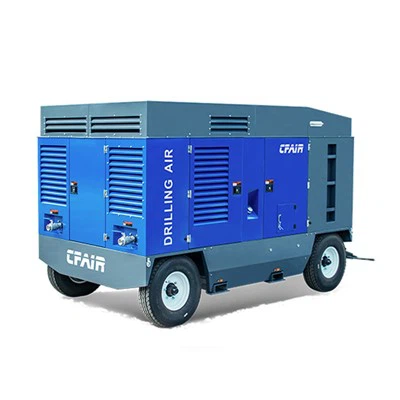
Hey there! As a supplier of oil-free air compressors, I've heard a lot of concerns from customers about the noise these machines can make. It's a real pain, especially if you're using the compressor in a small workshop, a home garage, or even a commercial setting where noise can be a big deal. So, I thought I'd share some tips on how to reduce the noise of an oil-free air compressor.
First off, let's understand why oil-free air compressors can be noisy. These compressors work by compressing air, and this process generates a fair amount of vibration and mechanical noise. The motor, the pistons, and the air intake and exhaust systems all contribute to the overall noise level. But don't worry, there are several ways to tackle this issue.
Choose the Right Location
One of the simplest ways to reduce the noise is to place the compressor in the right location. You want to find a spot that's away from areas where people are likely to be. For example, if you're using it in a home garage, don't put it right next to the living room wall. A corner of the garage that's farther from the house is a better choice.
Also, make sure the compressor is placed on a stable surface. Uneven or soft surfaces can amplify the vibrations and make the noise worse. A concrete floor is ideal, but if you don't have one, you can use a thick rubber mat to dampen the vibrations. You can check out our Free Oil Compressor models, which are designed to be more stable and less noisy when placed on a proper surface.

Use Soundproof Enclosures
Soundproof enclosures are a great way to reduce the noise of an oil-free air compressor. These enclosures are made of materials that absorb and block sound, such as fiberglass or acoustic foam. You can buy a pre-made enclosure or build one yourself if you're handy.
When choosing or building an enclosure, make sure it has proper ventilation. The compressor needs to breathe, so you'll need to cut holes for the air intake and exhaust. You can line these holes with soundproofing material to reduce the noise that escapes through them. Our Oil Free Compressor models are compatible with most standard soundproof enclosures, so you can easily find one that fits.
Regular Maintenance
Regular maintenance is crucial for keeping your oil-free air compressor running smoothly and quietly. Over time, the moving parts can wear out, which can increase the noise level. Make sure to follow the manufacturer's maintenance schedule, which usually includes tasks like changing the air filter, lubricating the moving parts (even though it's oil-free, some parts may still need lubrication), and tightening any loose bolts or screws.
A dirty air filter can also cause the compressor to work harder, which can lead to more noise. So, check the air filter regularly and replace it when it's dirty. You can find replacement filters for our Air Compressor Oil Free models on our website.

Upgrade the Components
If you're still having trouble with the noise, you may want to consider upgrading some of the components. For example, you can replace the standard intake and exhaust mufflers with high-performance ones. These mufflers are designed to reduce the noise of the air flowing in and out of the compressor.
You can also upgrade the motor to a more efficient and quieter one. A newer motor may have better insulation and vibration dampening features, which can significantly reduce the noise level. Our team can help you choose the right components for your specific compressor model.
Isolate the Compressor
Another effective way to reduce noise is to isolate the compressor from its surroundings. You can use vibration isolators, which are rubber or spring mounts that are placed between the compressor and the surface it's sitting on. These isolators absorb the vibrations and prevent them from being transmitted to the floor or other structures.
You can also use flexible hoses for the air intake and exhaust. These hoses can absorb some of the vibrations and reduce the noise that travels through the air pipes.
Consider the Compressor Size
The size of the compressor can also affect the noise level. A larger compressor may be more powerful, but it can also be noisier. If you don't need a lot of air pressure or volume, consider choosing a smaller compressor. Our range of oil-free air compressors includes models of different sizes, so you can find one that meets your needs without being too noisy.
Monitor the Noise Level
It's a good idea to monitor the noise level of your compressor regularly. You can use a sound meter to measure the decibels. If you notice that the noise level is increasing over time, it could be a sign of a problem. Check the compressor for any signs of wear and tear, and perform the necessary maintenance or repairs.

In conclusion, reducing the noise of an oil-free air compressor is possible with the right approach. By choosing the right location, using soundproof enclosures, performing regular maintenance, upgrading components, isolating the compressor, considering the size, and monitoring the noise level, you can enjoy a quieter and more comfortable working environment.
If you're interested in our oil-free air compressors or have any questions about noise reduction, feel free to get in touch with us. We're here to help you find the best solution for your needs and ensure that you get the most out of your compressor.

References
- Compressor Noise Reduction Guide, Industry Standards Publication
- Maintenance Manuals for Oil-Free Air Compressors, Manufacturer's Documents