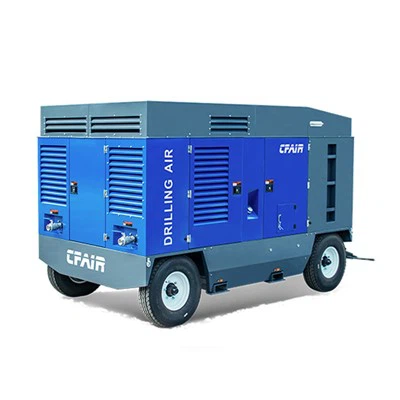
Hey there! As a supplier of large air compressors, I often get asked about the energy efficiency rating of these beasts. It's a hot topic, and for good reason. Energy efficiency not only saves you money on your utility bills but also helps reduce your carbon footprint. So, let's dive into what the energy efficiency rating of large air compressors really means.
First off, what exactly is an energy efficiency rating? Simply put, it's a measure of how well an air compressor converts electrical or fuel energy into compressed air. The higher the rating, the more efficient the compressor is at using energy. This means you get more compressed air for your buck, which is always a win.
There are several factors that affect the energy efficiency rating of large air compressors. One of the most important is the type of compressor. There are different types, such as reciprocating, rotary screw, and centrifugal compressors, each with its own efficiency characteristics.
Reciprocating compressors are the oldest type and are known for their simplicity. They work by using a piston to compress the air. However, they tend to be less energy - efficient compared to other types, especially in larger sizes. This is because they have more moving parts, which create more friction and require more energy to operate.
Rotary screw compressors, on the other hand, are a popular choice for large - scale applications. They use two interlocking screws to compress the air. These compressors are generally more energy - efficient than reciprocating compressors. They have fewer moving parts, which means less friction and less energy loss. They also operate at a more consistent speed, which helps in maintaining a stable energy consumption. If you're interested in a portable option, check out our Portable Screw Air Compressor.
Centrifugal compressors are another option for large air compression needs. They work by using a high - speed impeller to accelerate the air and then convert the kinetic energy into pressure energy. These compressors are very efficient for high - volume applications. They are often used in industries like petrochemicals and power generation.
Another factor that impacts energy efficiency is the compressor's control system. A good control system can adjust the compressor's output based on the actual demand for compressed air. For example, if the demand is low, the compressor can run at a reduced speed, saving energy. Some modern compressors come with advanced control systems that can even predict the air demand and adjust the compressor's operation accordingly.
The size of the compressor also matters. It's crucial to choose a compressor that is appropriately sized for your needs. An oversized compressor will consume more energy than necessary, while an undersized compressor may not be able to meet the demand, leading to inefficiencies and potential damage to the equipment.
Now, let's talk about how the energy efficiency rating is measured. One common way is through the Specific Power rating. Specific Power is the amount of power (in kilowatts) required to produce a certain volume of compressed air (in cubic meters per minute). The lower the Specific Power, the more energy - efficient the compressor is.
Another important metric is the Overall Equipment Effectiveness (OEE). OEE takes into account not only the energy efficiency but also the availability, performance, and quality of the compressor. A high OEE means that the compressor is operating at its best in terms of energy use, uptime, and output quality.
As a large air compressor supplier, we understand the importance of energy efficiency. That's why we offer a range of compressors with high - energy efficiency ratings. For example, our Diesel Screw Air Compressor is designed to be both powerful and energy - efficient, making it a great choice for remote locations or mobile applications.
Our Mobile Air Compressor is also a popular option. It's easy to move around and can be quickly deployed wherever compressed air is needed. And with its high - efficiency design, it won't break the bank when it comes to energy costs.


So, why should you care about the energy efficiency rating of large air compressors? Well, for starters, it can significantly reduce your operating costs. Over time, the energy savings can add up to a substantial amount. Additionally, using energy - efficient equipment is better for the environment. By reducing your energy consumption, you're helping to lower greenhouse gas emissions.
If you're in the market for a large air compressor, don't just focus on the initial purchase price. Consider the long - term energy costs as well. Look for compressors with high - energy efficiency ratings and advanced control systems. And if you have any questions about which compressor is right for you, our team of experts is here to help.
We're always happy to have a chat about your specific requirements and how our compressors can meet them. Whether you're in a manufacturing plant, a construction site, or any other industry that needs compressed air, we've got you covered. So, if you're interested in learning more or want to start the procurement process, feel free to reach out to us. We can provide you with detailed information, quotes, and even arrange for a demonstration if needed.
In conclusion, the energy efficiency rating of large air compressors is a crucial factor to consider when making a purchase. By choosing an energy - efficient compressor, you can save money, reduce your environmental impact, and ensure reliable operation. So, take the time to research and select the right compressor for your needs, and let's work together to make your operations more efficient.
References
- Compressed Air and Gas Institute (CAGI) - Standards and Guidelines for Air Compressors
- ASME (American Society of Mechanical Engineers) - Codes and Standards for Compressor Efficiency
- Industry research reports on large air compressor technology and energy efficiency