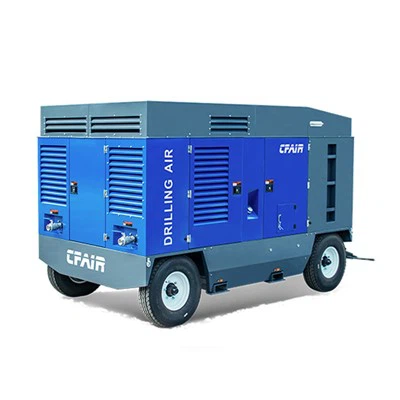
Separator elements play a crucial role in various industrial and commercial applications, particularly in air compressors and filtration systems. As a separator element supplier, I understand the importance of meeting high - quality standards to ensure optimal performance and reliability of these components. In this blog, I will discuss the key standards for separator elements.
Material Quality
The first and most fundamental standard for separator elements is the quality of the materials used in their construction. High - grade materials are essential for withstanding the harsh operating conditions that separator elements often encounter. For example, in air compressor systems, separator elements need to resist high pressures, temperature variations, and the presence of contaminants.


The filter media is a critical part of the separator element. It should be made from materials with high porosity and good mechanical strength. Fiberglass is a commonly used material for filter media due to its excellent filtration efficiency and resistance to chemical corrosion. The fibers should be evenly distributed to ensure uniform filtration across the entire surface of the element.
The housing of the separator element also matters. It is typically made of metal, such as aluminum or stainless steel. Aluminum is lightweight and corrosion - resistant, making it a popular choice for many applications. Stainless steel, on the other hand, offers even higher corrosion resistance, especially in environments where the presence of moisture or chemicals is a concern.
Filtration Efficiency
Filtration efficiency is perhaps the most important performance standard for separator elements. It refers to the ability of the element to remove contaminants from the fluid or gas passing through it. The efficiency is usually measured as a percentage of the particles of a specific size that are removed from the medium.
For air compressor separator elements, the filtration efficiency is often specified for particles in the range of 0.1 to 1 micron. High - quality separator elements can achieve filtration efficiencies of over 99% for particles in this size range. This is important because even small particles can cause damage to downstream equipment, such as valves and cylinders.
To test the filtration efficiency, standardized test methods are used. One such method is the ISO 16890 standard, which provides a framework for evaluating the performance of air filters. This standard takes into account different particle size ranges and provides a more comprehensive assessment of the filter's ability to remove contaminants.
Pressure Drop
Pressure drop is another critical standard for separator elements. It is the difference in pressure between the inlet and the outlet of the element when fluid or gas is flowing through it. A high pressure drop indicates that the element is restricting the flow, which can lead to increased energy consumption and reduced system performance.
Ideally, separator elements should have a low pressure drop while still maintaining high filtration efficiency. This requires careful design and selection of materials. The shape and structure of the filter media can also affect the pressure drop. For example, a pleated filter media can provide a larger surface area for filtration, which can help to reduce the pressure drop compared to a flat filter media.
Manufacturers typically specify the maximum allowable pressure drop for their separator elements. This value should be monitored during the operation of the system to ensure that the element is functioning properly. If the pressure drop exceeds the specified limit, it may indicate that the element is clogged and needs to be replaced.
Capacity and Service Life
The capacity of a separator element refers to the amount of contaminants it can hold before it needs to be replaced. A higher capacity means that the element can operate for a longer period of time without requiring frequent replacement, which can reduce maintenance costs and downtime.
The service life of a separator element is related to its capacity and the operating conditions. In a clean environment, a separator element may last for a longer time compared to a dirty or harsh environment. Factors such as the flow rate, temperature, and the concentration of contaminants in the medium can all affect the service life.
Manufacturers usually provide guidelines on the expected service life of their separator elements based on typical operating conditions. However, it is important to note that these are only estimates, and actual service life may vary depending on the specific application.
Compatibility
Separator elements need to be compatible with the fluids or gases they are designed to filter. This includes chemical compatibility, as well as physical compatibility with the system in which they are installed.
In terms of chemical compatibility, the materials used in the separator element should not react with the fluid or gas being filtered. For example, in a chemical processing plant, the separator element may need to be resistant to the specific chemicals being used in the process. If there is a chemical reaction between the element and the medium, it can lead to degradation of the element and reduced filtration performance.
Physical compatibility refers to the proper fit and connection of the separator element within the system. The element should be designed to fit the housing or filter assembly correctly, and the connections should be leak - proof. This ensures that the fluid or gas flows through the element as intended and that there is no bypass of contaminants.
Standards and Certifications
To ensure that separator elements meet the required standards, they should be manufactured in accordance with relevant industry standards and certifications. For example, the ISO 9001 certification indicates that the manufacturer has a quality management system in place to ensure consistent product quality.
In addition to general quality management certifications, there are also specific certifications for separator elements. For air compressor separator elements, the Pneumatic Compressors and Vacuum Pumps Manufacturers Association (PVMA) certification can be an indication of high - quality performance. This certification verifies that the element meets certain performance and safety standards.
Related Accessories
When considering separator elements, it's also important to look at related accessories that can enhance the performance of the system. For example, a Clearance Light can be used to provide visual indication of the operating status of the separator element. An Air Compressor Starter Switch is essential for controlling the start and stop of the air compressor, which is closely related to the operation of the separator element. And a Stabilizer Leg can help to ensure the stability of the compressor system, which can indirectly affect the performance of the separator element.
Conclusion
In conclusion, separator elements are essential components in many industrial and commercial systems, and they need to meet strict standards in terms of material quality, filtration efficiency, pressure drop, capacity, service life, and compatibility. As a separator element supplier, I am committed to providing high - quality products that meet these standards.
If you are in the market for separator elements or have any questions about their performance and standards, I encourage you to reach out for a discussion. We can work together to find the best solution for your specific application, ensuring optimal performance and reliability of your system.
References
- ISO 16890:2016, Air filters for general ventilation -- Determination of filtration performance.
- ISO 9001:2015, Quality management systems -- Requirements.
- Pneumatic Compressors and Vacuum Pumps Manufacturers Association (PVMA) standards and guidelines.