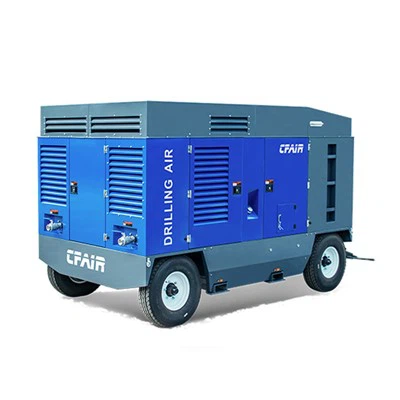
Hey there! As a supplier of screw compressors, I often get asked about the energy efficiency of these nifty machines. So, I thought I'd break it down for you in this blog post.
First off, let's understand what screw compressors are. They're a type of positive displacement compressor that uses two meshing helical screws to compress air or gas. They're widely used in various industries, from manufacturing to construction, because they're reliable, durable, and can handle high volumes of air.
Now, let's talk about energy efficiency. Energy efficiency is all about getting the most out of the energy you put in. In the case of screw compressors, it means producing as much compressed air as possible while using the least amount of electricity or fuel.


One of the key factors that affects the energy efficiency of screw compressors is the compression ratio. The compression ratio is the ratio of the discharge pressure to the suction pressure. A higher compression ratio means more work is being done to compress the air, which requires more energy. So, it's important to choose a compressor with the right compression ratio for your application.
Another factor is the type of screw compressor. There are two main types: oil-injected and oil-free. Oil-injected screw compressors use oil to lubricate the screws and seal the compression chamber. This helps to reduce friction and wear, which can improve energy efficiency. Oil-free screw compressors, on the other hand, don't use oil, which makes them suitable for applications where oil contamination is a concern. However, they tend to be less energy-efficient than oil-injected compressors.
The size of the compressor also plays a role in energy efficiency. A compressor that's too small for your application will have to work harder to meet your air demand, which can waste energy. On the other hand, a compressor that's too large will run at a lower load, which can also reduce energy efficiency. So, it's important to choose a compressor that's the right size for your needs.
In addition to these factors, there are also some things you can do to improve the energy efficiency of your screw compressor. One of the most important is to maintain it properly. This includes changing the oil and filters regularly, checking the belts and hoses for wear, and keeping the compressor clean. A well-maintained compressor will run more efficiently and last longer.
Another thing you can do is to use a variable speed drive (VSD). A VSD allows the compressor to adjust its speed based on the air demand. This means that the compressor can run at a lower speed when the demand is low, which can save energy. VSDs are especially useful in applications where the air demand varies frequently.
Finally, you can also consider using a heat recovery system. Screw compressors generate a lot of heat during the compression process. A heat recovery system can capture this heat and use it for other purposes, such as heating water or space. This can help to reduce your energy costs and improve the overall efficiency of your system.
So, there you have it! That's a brief overview of the energy efficiency of screw compressors. As you can see, there are many factors that affect energy efficiency, and it's important to choose the right compressor for your application and maintain it properly. If you have any questions or need help choosing a compressor, feel free to contact us. We're here to help!
If you're in the market for a portable air compressor, we also offer a range of options, including Portable Diesel Air Compressors, Biggest Portable Air Compressor, and High-Power Dual Portable Air Compressors. These compressors are designed to be reliable, durable, and energy-efficient, making them a great choice for a variety of applications.
If you're interested in learning more about our screw compressors or portable air compressors, or if you have any questions about energy efficiency, please don't hesitate to contact us. We'd be happy to discuss your needs and help you find the right solution for your business.
References:
- Compressed Air and Gas Institute (CAGI). (n.d.). Screw Compressors. Retrieved from [CAGI website]
- Air Movement and Control Association International (AMCA). (n.d.). Energy Efficiency in Compressed Air Systems. Retrieved from [AMCA website]
- U.S. Department of Energy. (n.d.). Compressed Air System Assessment Tool. Retrieved from [DOE website]