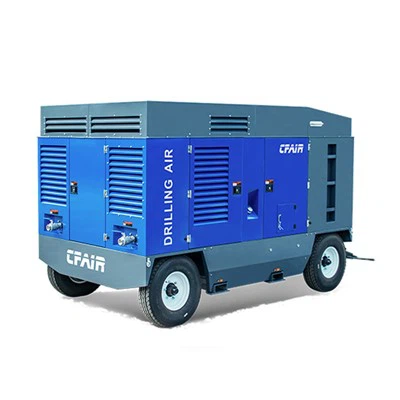
Hey there! As a supplier of screw compressors, I'm super excited to chat with you about the emerging technologies in screw compressor design. These advancements are not only changing the game but also making our lives as users and suppliers a whole lot easier. So, let's dive right in!
Variable Speed Drive (VSD) Technology
One of the most significant breakthroughs in screw compressor design is the widespread adoption of Variable Speed Drive (VSD) technology. In the past, traditional screw compressors operated at a fixed speed, which meant they consumed a constant amount of energy regardless of the actual air demand. This often led to energy waste, especially during periods of low demand.
With VSD technology, the compressor can adjust its speed according to the air demand. When the demand is low, the compressor slows down, reducing energy consumption. Conversely, when the demand increases, it ramps up to meet the required air output. This not only saves energy but also extends the lifespan of the compressor by reducing wear and tear.
For example, in a manufacturing plant where the air demand fluctuates throughout the day, a VSD-equipped screw compressor can automatically adjust its speed to match the production needs. This results in significant cost savings on energy bills and a more efficient operation overall. You can learn more about how these compressors can be used in construction projects at Compressor In Construction.
Oil-Free Compressor Technology
Another emerging trend is the development of oil-free screw compressors. In many applications, such as food and beverage production, pharmaceuticals, and electronics manufacturing, the presence of oil in the compressed air can contaminate the products and cause quality issues.
Oil-free screw compressors use advanced sealing and lubrication systems to eliminate the need for oil in the compression chamber. This ensures that the compressed air is clean and free from oil contaminants, making it suitable for sensitive applications.
These compressors also offer environmental benefits. Since they don't use oil, there's no risk of oil leakage into the environment, which is a major concern with traditional oil-lubricated compressors. Additionally, oil-free compressors require less maintenance, as there's no need to change oil filters or deal with oil disposal. If you're in the market for a portable option, check out our Mobile Diesel Compressor and Diesel Mobile Air Compressor models.
Advanced Control Systems
Modern screw compressors are now equipped with advanced control systems that offer greater flexibility and precision. These systems use sensors and software to monitor and adjust various parameters, such as pressure, temperature, and flow rate, in real-time.
For instance, a smart control system can detect changes in the air demand and automatically adjust the compressor's operation to maintain a stable pressure. It can also provide detailed diagnostic information, allowing operators to quickly identify and troubleshoot any issues.
Some control systems even offer remote monitoring and control capabilities. This means that operators can access the compressor's data and make adjustments from anywhere using a smartphone or a computer. This is especially useful for large industrial facilities or remote sites where on-site monitoring may not be practical.
Improved Air End Design
The air end is the heart of a screw compressor, and recent advancements in air end design have led to significant improvements in performance and efficiency. Manufacturers are using advanced materials and manufacturing techniques to create air ends that are more durable, reliable, and efficient.
For example, some air ends are now made from high-strength alloys that can withstand higher pressures and temperatures. This allows the compressor to operate at higher efficiency levels without sacrificing reliability. Additionally, new rotor profiles and clearances have been developed to reduce leakage and improve compression efficiency.
These improvements in air end design result in lower energy consumption, higher air output, and a longer service life for the compressor. This means that users can get more value out of their investment in a screw compressor.
Integration with IoT
The Internet of Things (IoT) is also making its way into screw compressor design. By connecting compressors to the internet, manufacturers can collect and analyze data on their performance, usage, and maintenance needs.
This data can be used to optimize the compressor's operation, predict potential failures, and schedule maintenance proactively. For example, if the compressor's temperature or vibration levels start to deviate from normal, the IoT system can send an alert to the operator, allowing them to take corrective action before a major breakdown occurs.
IoT integration also enables remote performance monitoring and optimization. Manufacturers can use the data collected from multiple compressors to identify trends and develop strategies to improve overall efficiency. This can lead to significant cost savings for users and a more sustainable operation.


Conclusion
As you can see, there are many exciting emerging technologies in screw compressor design. These advancements are not only improving the performance and efficiency of screw compressors but also making them more reliable, sustainable, and user-friendly.
Whether you're a small business owner looking for a cost-effective compressor for your workshop or a large industrial manufacturer in need of a high-capacity compressor for your production line, these new technologies can offer significant benefits.
If you're interested in learning more about our screw compressors or have any questions about how these emerging technologies can benefit your specific application, don't hesitate to reach out. We're here to help you find the right compressor solution for your needs and guide you through the procurement process.
Let's work together to take advantage of these amazing technologies and make your operations more efficient and profitable.
References
- "Compressor Handbook" by Klaus Brun and Eckard Specht
- "Industrial Compressed Air Systems" by Peter Schellenberger
- Various industry reports and research papers on screw compressor technology