When it comes to blasting operations, the choice of compressor is a critical decision that can significantly impact efficiency, performance, and overall cost. As a leading supplier of compressors for blasting, I often encounter questions from customers about the differences between single - stage and two - stage compressors. In this blog post, I'll delve into the key distinctions between these two types of compressors, helping you make an informed decision for your blasting needs.
Compression Mechanism
The fundamental difference between single - stage and two - stage compressors lies in their compression mechanisms. A single - stage compressor compresses air in one step. The air is drawn into the compressor chamber and then compressed to the desired pressure in a single stroke of the piston or rotation of the screw. This straightforward design makes single - stage compressors relatively simple and cost - effective.
On the other hand, a two - stage compressor compresses air in two distinct steps. In the first stage, the air is compressed to an intermediate pressure. Then, the partially compressed air is cooled in an intercooler to remove the heat generated during the first compression stage. After cooling, the air enters the second stage, where it is compressed further to the final desired pressure. This two - step process allows for more efficient compression and higher pressure outputs.
Pressure Output
Single - stage compressors are typically suitable for applications that require lower pressure levels. They can usually achieve pressures up to around 125 - 175 psi (pounds per square inch). For blasting operations that involve light - duty tasks such as small - scale surface cleaning or painting, a single - stage compressor may be sufficient.
Two - stage compressors, however, are capable of delivering much higher pressures. They can easily reach pressures of 200 psi or more, making them ideal for heavy - duty blasting applications. High - pressure air is essential for efficient blasting, as it allows the abrasive material to be propelled at a greater velocity, resulting in faster and more effective surface preparation. For example, in large - scale industrial blasting projects, such as shipyard maintenance or bridge rehabilitation, a two - stage compressor is often the preferred choice.
Efficiency
Efficiency is a crucial factor to consider when choosing a compressor for blasting. Two - stage compressors are generally more energy - efficient than single - stage compressors. The intercooling process in a two - stage compressor reduces the temperature of the air between the two compression stages. Since compressing cooler air requires less energy than compressing warmer air, the overall energy consumption of a two - stage compressor is lower.


In contrast, single - stage compressors generate more heat during the compression process, which can lead to increased energy consumption. Additionally, the higher pressure outputs of two - stage compressors often result in faster blasting times, further improving overall efficiency. This means that although two - stage compressors may have a higher upfront cost, they can save money in the long run through reduced energy bills and increased productivity.
Maintenance and Durability
Single - stage compressors have a simpler design, which generally translates to easier maintenance. With fewer components and a less complex compression mechanism, single - stage compressors are often more straightforward to service and repair. This can be an advantage for smaller operations or those with limited maintenance resources.
Two - stage compressors, while more complex, are built to handle the higher pressures and more demanding applications. They are typically constructed with more robust components, such as larger pistons, stronger bearings, and better - quality valves. As a result, two - stage compressors tend to have a longer lifespan and are more durable in the long term. However, their complexity also means that maintenance may require more specialized knowledge and tools.
Application Suitability
As mentioned earlier, single - stage compressors are well - suited for light - duty blasting applications. They are commonly used in small workshops, automotive repair shops, and DIY projects. Their lower cost and simplicity make them an attractive option for those on a budget or with occasional blasting needs.
Two - stage compressors, on the other hand, are the go - to choice for professional blasting contractors and large - scale industrial operations. Their high - pressure capabilities and energy efficiency make them indispensable for tasks such as removing thick layers of rust, paint, or scale from large surfaces. Whether it's a mining operation, where Mining Compressor is often required, or a construction project that needs heavy - duty surface preparation, a two - stage compressor can provide the performance and reliability needed.
Portability
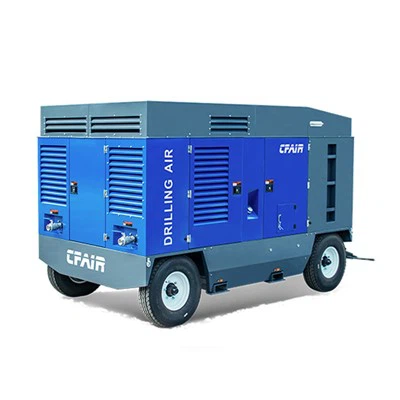
Portability is another important consideration, especially for blasting operations that require moving the compressor from one site to another. We offer a range of portable compressors, including Diesel Driven Compressor and Towable Portable Air Compressor.
Single - stage compressors are often more compact and lightweight, making them easier to transport. They are a great option for mobile blasting services that need to move quickly between different job sites. Two - stage compressors, due to their larger size and more complex components, may be less portable. However, our towable portable air compressors are designed to provide the high - pressure performance of a two - stage compressor while still being relatively easy to move around.
Cost
Cost is always a significant factor in any purchasing decision. Single - stage compressors generally have a lower upfront cost compared to two - stage compressors. This makes them an appealing option for those with limited budgets or for applications where high - pressure performance is not required.
However, when considering the total cost of ownership, it's important to take into account factors such as energy efficiency, maintenance costs, and productivity. As mentioned earlier, two - stage compressors may save money in the long run due to their lower energy consumption and higher productivity. Therefore, it's essential to evaluate your specific blasting needs and budget carefully before making a decision.
Conclusion
In conclusion, the choice between a single - stage and a two - stage compressor for blasting depends on several factors, including the required pressure output, efficiency, maintenance needs, application suitability, portability, and cost. Single - stage compressors are suitable for light - duty applications, offer simplicity and lower upfront costs, but may be less efficient and have lower pressure capabilities. Two - stage compressors, on the other hand, are ideal for heavy - duty blasting, provide higher pressure outputs, better energy efficiency, and greater durability, but come with a higher initial investment and more complex maintenance requirements.
As a trusted supplier of compressors for blasting, we have a wide range of single - stage and two - stage compressors to meet your specific needs. Whether you're a small - scale DIY enthusiast or a large - scale industrial contractor, we can help you find the perfect compressor for your blasting operations. If you're interested in learning more about our products or need assistance in choosing the right compressor, please don't hesitate to contact us. We're here to help you make the best decision for your business.
References
- Compressed Air and Gas Institute (CAGI). "Compressor Handbook."
- ASME (American Society of Mechanical Engineers) standards related to air compressors.
- Manufacturer's technical documentation for various single - stage and two - stage compressors.