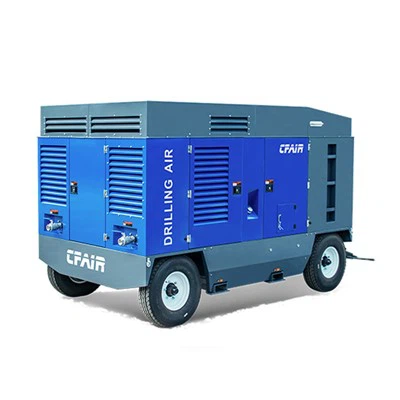
Hey there! As a supplier of screw compressors, I've seen firsthand the importance of getting the installation of a screw compressor room right. A well - installed compressor room can ensure the efficient operation of your screw compressors, extend their lifespan, and save you a bunch of money in the long run. So, let's dive into the installation requirements for a screw compressor room.
Location and Space
First off, the location of your compressor room matters a great deal. You want to pick a spot that's easily accessible for maintenance and servicing. It should also be away from areas with high traffic or where there's a risk of physical damage to the compressors.
The room itself needs to be big enough. There should be sufficient space around the compressor for proper ventilation and easy access to all parts of the machine. A general rule of thumb is to have at least 3 feet of clearance on all sides of the compressor. This space allows for proper air circulation and makes it easier for technicians to work on the equipment when needed.
Ventilation
Ventilation is one of the most crucial aspects of a screw compressor room. Screw compressors generate a lot of heat during operation, and if this heat isn't dissipated properly, it can lead to overheating, reduced efficiency, and even damage to the compressor.
You need to have a well - designed ventilation system. This usually includes intake and exhaust vents. The intake vents should bring in fresh, cool air, while the exhaust vents should expel the hot air generated by the compressor. A good ventilation system can also help remove any oil mist or other contaminants that might be produced during the compression process.
For larger compressor rooms, you might even consider installing a dedicated ventilation unit. These units can be adjusted to maintain the right temperature and air quality inside the room. Some advanced ventilation systems can also monitor the air quality and adjust the ventilation rate accordingly.
Electrical Requirements
Screw compressors are power - hungry machines, so getting the electrical installation right is a must. You need to have a stable and reliable power supply. The electrical system should be sized correctly to handle the power requirements of the compressor. This includes the right gauge of wires, proper circuit breakers, and grounding.
It's also important to ensure that the electrical connections are made by a qualified electrician. Loose connections or improper wiring can lead to electrical shorts, which can be extremely dangerous and can damage the compressor. You might want to consider installing surge protectors to safeguard the compressor from power surges.
Flooring and Foundation
The flooring in the compressor room should be strong and durable. It needs to support the weight of the compressor and any associated equipment. A concrete floor is often a good choice as it's strong and can be easily cleaned.
The compressor should be installed on a solid foundation. This helps reduce vibration during operation. Excessive vibration can not only cause noise but also damage the compressor and other components in the long run. You can use vibration - isolating pads or mounts to further reduce the impact of vibration.
Noise Control
Screw compressors can be quite noisy during operation. If the compressor room is located near areas where people work or live, you need to take steps to control the noise. This can be done by using sound - absorbing materials on the walls and ceiling of the room.
You can also install a sound - proof enclosure around the compressor itself. These enclosures are designed to reduce the noise level significantly. Some advanced enclosures are even custom - made to fit the specific model of the compressor, providing maximum noise reduction.
Safety Measures
Safety should always be a top priority in a compressor room. You need to have proper safety signs posted around the room, indicating the potential hazards and safety procedures. Fire extinguishers should be readily available in case of an emergency.
The room should also have a proper emergency shutdown system. This allows operators to quickly stop the compressor in case of a problem. Additionally, there should be adequate lighting in the room so that operators can see clearly and perform their tasks safely.
Maintenance Access
As I mentioned earlier, easy access for maintenance is essential. There should be enough space to move around the compressor and access all the components that need to be serviced. This includes areas for changing filters, checking oil levels, and inspecting belts and other moving parts.
You might also want to consider installing a lifting device, such as a hoist, if the compressor is large and heavy. This makes it easier to remove and replace components during maintenance.


Compatibility with Other Equipment
If you have other equipment in the compressor room, such as dryers or filters, you need to ensure that they are compatible with the screw compressor. The airflow, pressure, and temperature requirements of all the equipment should be coordinated to ensure smooth operation.
For example, if the dryer is not sized correctly for the compressor, it might not be able to remove the moisture from the compressed air effectively, leading to problems downstream.
Monitoring and Control Systems
Installing a monitoring and control system can greatly enhance the performance and reliability of the compressor. These systems can monitor various parameters such as temperature, pressure, and oil level. They can also provide alerts if any of these parameters go out of the normal range.
Some advanced monitoring systems can even be connected to the internet, allowing remote monitoring and control. This means that you can keep an eye on the compressor's performance from anywhere in the world, which is especially useful for large industrial facilities with multiple compressor rooms.
Conclusion
In conclusion, the installation of a screw compressor room involves a lot of factors. From the location and ventilation to the electrical requirements and safety measures, every aspect needs to be carefully considered. By following these installation requirements, you can ensure that your screw compressor operates efficiently and reliably for years to come.
If you're in the market for a screw compressor or need advice on installing a compressor room, we're here to help. We offer a wide range of Diesel Screw Air Compressor, Biggest Portable Air Compressor, and Air Compressor Engine Driven. Contact us to start a discussion about your specific needs and let's work together to find the best solution for you.
References
- Compressed Air and Gas Handbook, various editions
- Industry standards and guidelines for screw compressor installation