Hey there! As a supplier of portable air compressors, I often get asked about the differences between direct - drive and belt - drive portable air compressors. So, I thought I'd break it down for you in this blog post.
Let's start with the basics. A portable air compressor is a handy tool that can be used for a variety of tasks, from inflating tires to powering pneumatic tools. Whether you're a DIY enthusiast, a professional contractor, or just someone who needs to get the occasional job done, a portable air compressor can be a real lifesaver.
Direct - Drive Portable Air Compressors
Direct - drive portable air compressors are pretty straightforward. In these compressors, the motor is directly connected to the pump. There are no belts or pulleys in between to transfer power. This direct connection means that the pump runs at the same speed as the motor.
One of the biggest advantages of direct - drive compressors is their compact size. Since there are no belts and pulleys, they can be designed to be smaller and more lightweight. This makes them super easy to carry around, especially if you need to move your compressor from one job site to another. If you're a mobile mechanic or someone who does a lot of on - the - go work, a direct - drive compressor might be the perfect fit for you.
Another plus is the simplicity of the design. With fewer moving parts, there's less that can go wrong. You don't have to worry about belt wear and tear, or belt tension adjustments. This means less maintenance and fewer headaches in the long run.
However, direct - drive compressors also have their drawbacks. Because the pump runs at the same high speed as the motor, it can generate a lot of heat. This can lead to shorter pump life if the compressor is used for extended periods. Also, the high - speed operation can make direct - drive compressors a bit noisier compared to their belt - drive counterparts.
Belt - Drive Portable Air Compressors
Now, let's talk about belt - drive portable air compressors. In these compressors, a belt and pulley system is used to transfer power from the motor to the pump. This allows the pump to run at a different speed than the motor.
One of the main advantages of belt - drive compressors is their efficiency. The belt and pulley system can be designed to reduce the speed of the pump, which in turn reduces the amount of heat generated. This means that the pump can last longer, especially if you're using the compressor for heavy - duty, continuous work. If you're a professional contractor who uses an air compressor all day long, a belt - drive compressor might be a better investment.
Belt - drive compressors are also generally quieter than direct - drive compressors. The belt acts as a shock absorber, reducing the vibration and noise produced by the compressor. This can be a big plus if you're working in a noise - sensitive environment or if you just don't want to deal with a lot of racket while you're working.
On the downside, belt - drive compressors are usually larger and heavier than direct - drive compressors. The belt and pulley system takes up more space, and the overall design is bulkier. This can make them a bit more difficult to transport, especially if you're constantly on the move. Additionally, belts do wear out over time and need to be replaced. You also have to make sure the belt tension is correct, which adds a bit more maintenance to the mix.
Performance Comparison
When it comes to performance, both types of compressors have their strengths. Direct - drive compressors are great for quick, intermittent tasks. They can get up to pressure quickly and are perfect for jobs like inflating a bike tire or using a nail gun for a small project.
Belt - drive compressors, on the other hand, are better suited for continuous, heavy - duty work. They can handle long - term use without overheating as easily, and they can provide a more consistent air supply. If you're using air tools that require a lot of air, like a sandblaster or a large impact wrench, a belt - drive compressor will likely give you better results.
Applications
Let's look at some specific applications for each type of compressor.
For direct - drive compressors:
- Home Use: If you're a homeowner who just needs to do some occasional DIY projects around the house, like building a small shed or inflating pool toys, a direct - drive compressor is a great choice. Its compact size makes it easy to store in the garage, and its simplicity means you won't have to spend a lot of time on maintenance.
- Light - Duty Professional Work: Mobile mechanics or small - scale contractors who do light - duty jobs can benefit from the portability of direct - drive compressors. They can easily take the compressor with them to different job sites and use it for tasks like inflating tires or powering small pneumatic tools.
For belt - drive compressors:
- Heavy - Duty Construction: Professional contractors working on large construction sites need a compressor that can handle continuous use. Belt - drive compressors are ideal for powering heavy - duty air tools like jackhammers, sanders, and large - capacity nail guns.
- Industrial Applications: In industrial settings, where air compressors are used for long periods every day, belt - drive compressors are often the preferred choice. Their ability to run at lower speeds and generate less heat makes them more reliable for continuous operation.
Our Product Range
As a portable air compressor supplier, we offer a wide range of both direct - drive and belt - drive compressors to meet your needs. Whether you're looking for a compact direct - drive compressor for home use or a heavy - duty belt - drive compressor for industrial applications, we've got you covered.
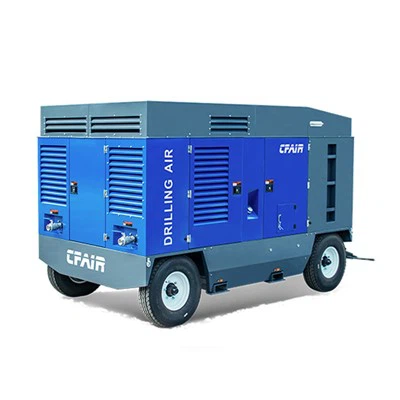
We also have some great options in our product line, such as the Towable Air Compressor, which is perfect for those who need to move their compressor around large job sites. If you're looking for a compressor with a powerful diesel engine, check out our Diesel Powered Air Compressor. And for those who need extra power, our High - Power Dual Portable Air Compressors are a great option.
Conclusion
In conclusion, the choice between a direct - drive and a belt - drive portable air compressor depends on your specific needs. If you need a compact, lightweight compressor for occasional, light - duty use, a direct - drive compressor is probably the way to go. But if you're doing heavy - duty, continuous work and need a more efficient, long - lasting compressor, a belt - drive compressor is the better choice.


If you're still not sure which type of compressor is right for you, or if you have any questions about our products, don't hesitate to reach out. We're here to help you find the perfect portable air compressor for your needs. Whether you're a DIYer, a professional contractor, or an industrial user, we can provide you with the information and support you need to make an informed decision. So, let's start a conversation and get you the compressor that will make your work easier and more efficient.
References
- Compressed Air and Gas Institute (CAGI) - Industry standards and technical information on air compressors.
- Various manufacturer brochures and product manuals for portable air compressors.