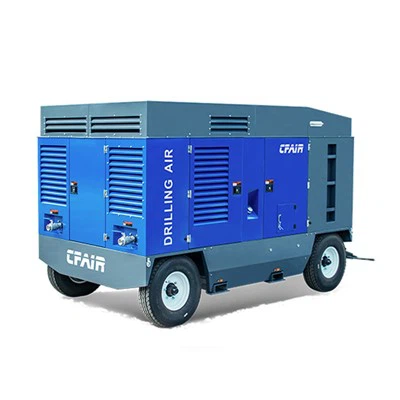
Hey there! As a supplier of screw air compressors, I often get asked about the compression ratio of these machines. So, I thought I'd write a blog post to explain what it is, why it matters, and how it affects the performance of screw air compressors.
First things first, let's talk about what the compression ratio actually is. In simple terms, the compression ratio of a screw air compressor is the ratio of the absolute discharge pressure to the absolute suction pressure. To put it even more simply, it's a measure of how much the compressor can increase the pressure of the air it takes in.
Let's say you have a screw air compressor that takes in air at atmospheric pressure, which is about 14.7 psi (pounds per square inch) at sea level. If the compressor can discharge the air at a pressure of 147 psi, then the compression ratio would be 10:1 (147 divided by 14.7). This means that the compressor has increased the pressure of the air by a factor of 10.
So, why does the compression ratio matter? Well, it has a big impact on the performance and efficiency of the compressor. A higher compression ratio means that the compressor can deliver more compressed air at a higher pressure, which is great for applications that require a lot of power, like industrial manufacturing, mining, and construction.
On the other hand, a lower compression ratio may be more suitable for applications that don't require as much pressure, like small workshops or home use. In these cases, a lower compression ratio can help to reduce energy consumption and operating costs.
Another important factor to consider is the type of screw air compressor you're using. There are two main types: oil-injected and oil-free. Oil-injected screw air compressors use oil to lubricate the rotors and seal the compression chamber, which helps to improve efficiency and reduce wear and tear. These compressors typically have a higher compression ratio than oil-free compressors.
Oil-free screw air compressors, on the other hand, don't use oil in the compression chamber, which makes them ideal for applications where oil contamination is a concern, like food and beverage processing, pharmaceuticals, and electronics manufacturing. However, oil-free compressors generally have a lower compression ratio and may require more maintenance.
Now, let's talk about how the compression ratio affects the performance of screw air compressors. A higher compression ratio means that the compressor has to work harder to compress the air, which can lead to increased energy consumption and heat generation. This can also put more stress on the compressor components, which may require more frequent maintenance and replacement.
To mitigate these issues, many screw air compressors are designed with advanced features like variable speed drives (VSDs) and cooling systems. VSDs allow the compressor to adjust its speed based on the demand for compressed air, which helps to reduce energy consumption and improve efficiency. Cooling systems, on the other hand, help to dissipate the heat generated by the compressor, which can extend the lifespan of the components and reduce maintenance costs.
In addition to the compression ratio, there are other factors that can affect the performance of screw air compressors, like the size and capacity of the compressor, the type of compressor control system, and the quality of the air intake. It's important to choose a compressor that is properly sized and configured for your specific application to ensure optimal performance and efficiency.
At our company, we offer a wide range of screw air compressors to meet the needs of different industries and applications. Whether you're looking for a Truck Mounted Rotary Screw Air Compressor for mobile applications, a Mining Compressor for Sale for underground mining operations, or a Small Diesel Compressor for small workshops, we have the right solution for you.


Our compressors are designed with the latest technology and features to ensure reliable performance, energy efficiency, and low maintenance. We also offer comprehensive after-sales support, including installation, maintenance, and repair services, to help you get the most out of your compressor.
If you're interested in learning more about our screw air compressors or have any questions about the compression ratio or other technical aspects, please don't hesitate to contact us. Our team of experts is always ready to help you find the right compressor for your needs and answer any questions you may have.
In conclusion, the compression ratio is an important factor to consider when choosing a screw air compressor. It affects the performance, efficiency, and cost of the compressor, so it's important to choose a compressor with the right compression ratio for your specific application. At our company, we offer a wide range of high-quality screw air compressors to meet the needs of different industries and applications. Contact us today to learn more and start the procurement process!
References
- Compressed Air and Gas Institute (CAGI). (n.d.). Compression Ratio. Retrieved from [CAGI website]
- Ingersoll Rand. (n.d.). Understanding Compression Ratio in Screw Air Compressors. Retrieved from [Ingersoll Rand website]
- Quincy Compressor. (n.d.). Compression Ratio: What It Is and Why It Matters. Retrieved from [Quincy Compressor website]