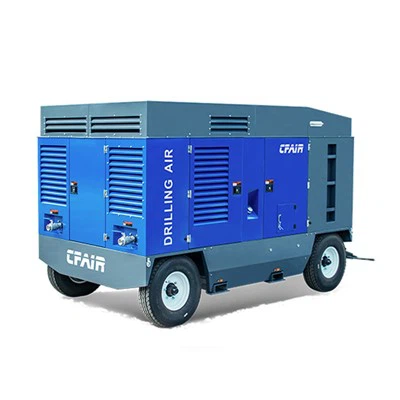
Salt air can be extremely corrosive to mobile diesel compressors, posing a significant threat to their performance and longevity. As a supplier of Mobile Diesel Air Compressor, I understand the challenges that come with operating these machines in coastal or salt - laden environments. In this blog, I'll share some effective strategies to protect your mobile diesel compressor from the damaging effects of salt air.
Understanding the Threat of Salt Air
Salt air contains tiny salt particles that are carried by the wind. When these particles come into contact with the metal components of a mobile diesel compressor, they initiate a chemical reaction known as corrosion. Corrosion can lead to rust formation, which weakens the structural integrity of the compressor, reduces its efficiency, and may even cause critical components to fail prematurely.
Moreover, salt can also contaminate the compressor's air intake system. If salt - laden air is drawn into the compressor, it can damage the internal components such as valves, pistons, and cylinders. This can result in reduced air quality, increased wear and tear, and higher maintenance costs.
Protective Coatings
One of the most effective ways to protect a mobile diesel compressor from salt air is by applying protective coatings. These coatings act as a barrier between the metal surfaces of the compressor and the corrosive salt particles.
- Epoxy Coatings: Epoxy coatings are highly resistant to chemicals and moisture, making them an ideal choice for protecting compressors in salt - air environments. They can be applied to the exterior of the compressor, including the frame, tank, and engine components. Epoxy coatings form a hard, durable layer that prevents salt from coming into direct contact with the metal, thus reducing the risk of corrosion.
- Zinc - Rich Primers: Zinc - rich primers are another popular option for protecting metal surfaces. Zinc has a natural ability to sacrificially corrode, meaning that it will corrode before the underlying metal. By applying a zinc - rich primer to the compressor, you can provide an additional layer of protection against salt air corrosion.
Regular Cleaning and Maintenance
Regular cleaning is essential for removing salt deposits from the compressor. Salt can accumulate on the surface of the compressor over time, and if not removed, it will continue to cause corrosion.
- Exterior Cleaning: Use a mild detergent and water to clean the exterior of the compressor. Pay special attention to areas where salt is likely to accumulate, such as the bottom of the compressor, around the air intake, and any crevices or joints. After cleaning, rinse the compressor thoroughly with fresh water to remove all traces of detergent and salt.
- Internal Cleaning: In addition to exterior cleaning, it's also important to clean the internal components of the compressor. This includes the air intake system, filters, and valves. Replace air filters regularly to prevent salt - laden air from entering the compressor. You can also use compressed air to blow out any salt particles that may have accumulated inside the compressor.
Location and Storage
The location where you operate and store your mobile diesel compressor can also have a significant impact on its protection from salt air.
- Operating Location: Try to keep the compressor as far away from the source of salt air as possible. If you're working in a coastal area, position the compressor upwind of the ocean or in a sheltered location. This will reduce the amount of salt - laden air that comes into contact with the compressor.
- Storage: When the compressor is not in use, store it in a dry, enclosed area. If possible, use a dehumidifier to reduce the humidity inside the storage area. High humidity can accelerate the corrosion process, so keeping the storage environment dry is crucial for protecting the compressor.
Air Intake Protection
The air intake system of the compressor is particularly vulnerable to salt air contamination. To protect it, you can take the following measures:
- Air Intake Filters: Install high - quality air intake filters that are designed to trap salt particles. These filters should be replaced regularly to ensure optimal performance.
- Air Intake Location: Position the air intake in a location where it's less likely to draw in salt - laden air. For example, you can mount the air intake on the side of the compressor that's facing away from the ocean or in a raised position to avoid salt - contaminated air near the ground.
Monitoring and Inspection
Regular monitoring and inspection of the compressor are essential for detecting early signs of salt air damage.
- Visual Inspection: Conduct a visual inspection of the compressor on a regular basis. Look for signs of rust, corrosion, or salt deposits on the exterior and interior components. Pay special attention to areas where the protective coatings may have been damaged or worn off.
- Performance Monitoring: Monitor the performance of the compressor, including its air output, pressure, and temperature. Any significant changes in performance could indicate a problem caused by salt air damage.
Importance of Quality Components
When it comes to protecting your mobile diesel compressor from salt air, using high - quality components is crucial. At our company, we offer Diesel Air Compressor that are built with corrosion - resistant materials and advanced design features. Our 185 CFM Air Compressor is a prime example of a high - performance compressor that can withstand the harsh conditions of salt - air environments.
Conclusion
Protecting a mobile diesel compressor from salt air requires a comprehensive approach that includes protective coatings, regular cleaning and maintenance, proper location and storage, air intake protection, and monitoring. By following these strategies, you can significantly extend the lifespan of your compressor and ensure its reliable performance in salt - laden environments.
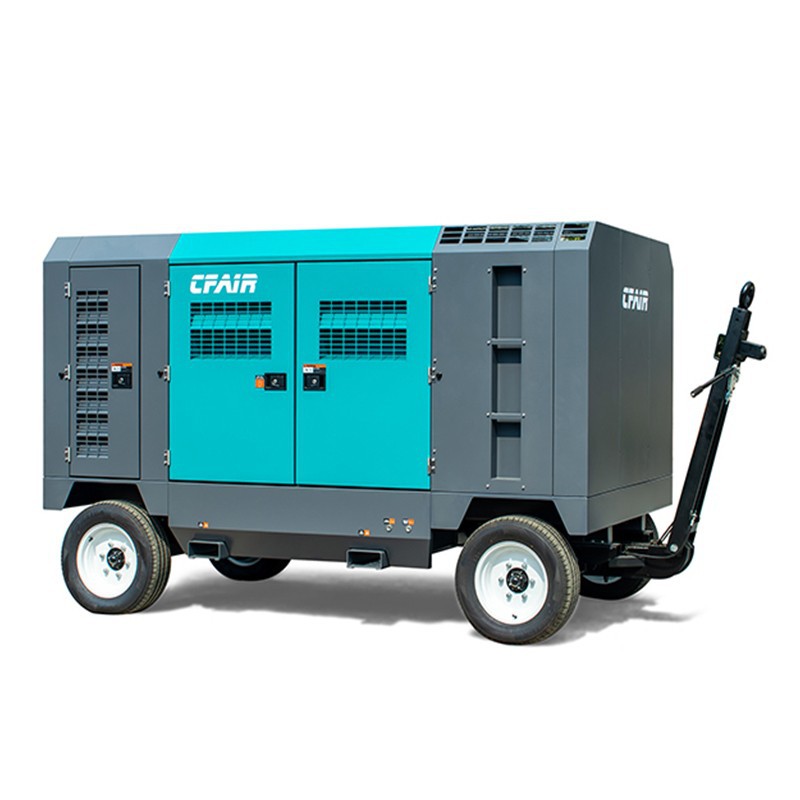

If you're in the market for a high - quality mobile diesel compressor or need more information on how to protect your existing compressor from salt air, we're here to help. Contact us today to discuss your specific needs and let's start a conversation about how we can provide you with the best solutions for your compressor requirements.
References
- "Corrosion Prevention in Marine Environments" - A technical guide on corrosion protection in salt - air conditions.
- Manufacturer's manuals for mobile diesel compressors, which often include guidelines on protection from environmental factors.
- Industry research papers on the effects of salt air on industrial equipment.