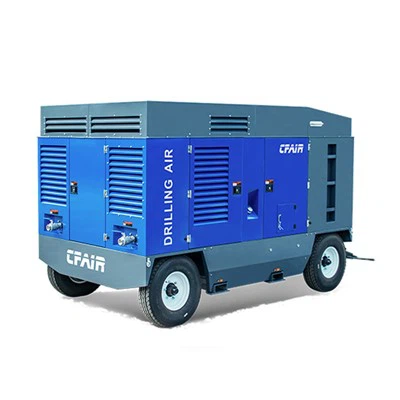
Hey there! As a supplier of portable air compressors, I often get asked about the air displacement of these nifty machines. So, let's dive right into what air displacement means for a portable air compressor and why it matters to you.
First off, what exactly is air displacement? In simple terms, air displacement refers to the volume of air that a compressor can move in a given amount of time. It's usually measured in cubic feet per minute (CFM). This measurement is crucial because it tells you how much air the compressor can supply to your tools or equipment.
Think of it like a water hose. If you have a tiny hose, it can only push out a small amount of water at a time. But if you have a big, fat hose, it can pump out a whole lot more water in the same amount of time. The same principle applies to air compressors. A compressor with a higher air displacement can deliver more air, which means it can power larger or multiple tools simultaneously.
Let's talk about why air displacement is so important. When you're using a portable air compressor, you want it to be able to keep up with the demands of your tools. For example, if you're using a pneumatic nail gun, it needs a certain amount of air to drive nails effectively. If your compressor's air displacement is too low, the nail gun might not work properly. It could jam, or it might not drive the nails in all the way.
On the other hand, if you have a compressor with a high air displacement, you can use more powerful tools or run multiple tools at the same time. Say you're working on a construction site. You might need to use a jackhammer, a paint sprayer, and a nail gun all at once. A compressor with a high CFM rating can handle this load without breaking a sweat.
Now, let's get into the different factors that can affect the air displacement of a portable air compressor. One of the main factors is the size of the compressor's pump. A larger pump can move more air, so it generally has a higher air displacement. However, a larger pump also means a bigger and heavier compressor, which might not be as portable.
Another factor is the speed of the compressor's motor. A faster motor can make the pump move air more quickly, increasing the air displacement. But a high - speed motor also uses more energy and can generate more heat, which might require additional cooling mechanisms.
The type of compressor also plays a role. There are two main types of portable air compressors: reciprocating and rotary screw. Reciprocating compressors use pistons to compress the air. They're often smaller and more affordable, but they usually have a lower air displacement compared to rotary screw compressors. Rotary screw compressors, on the other hand, use two rotating screws to compress the air. They can provide a continuous flow of air and typically have a higher air displacement, making them great for heavy - duty applications.
As a supplier, I've seen firsthand how different air displacements can impact the performance of various tools. For construction work, a compressor with a relatively high air displacement is essential. You can check out our Compressor Machine for Construction to see some models that are well - suited for this type of job. These compressors are designed to handle the tough demands of construction sites, with enough air displacement to power large tools like jackhammers and impact wrenches.


If you're into sandblasting, air displacement is also crucial. Sandblasting requires a steady and high - volume flow of air to propel the abrasive material. Our Compressor for Sandblasting models are specifically engineered to provide the right amount of air displacement for efficient sandblasting operations.
For general - purpose use, a compressor with a moderate air displacement might be sufficient. Our Compressor Portable line offers a range of options that are easy to carry around and can handle tasks like inflating tires, powering small pneumatic tools, and even some light painting jobs.
When choosing a portable air compressor based on air displacement, you need to consider your specific needs. Make a list of the tools you'll be using and find out their CFM requirements. Then, look for a compressor that can meet or exceed those requirements. It's also a good idea to leave some room for future expansion. If you think you might add more tools or use more powerful ones in the future, it's better to choose a compressor with a higher air displacement.
In conclusion, understanding the air displacement of a portable air compressor is key to getting the most out of your tools. Whether you're a professional contractor, a DIY enthusiast, or someone who just needs an air compressor for occasional use, choosing the right air displacement will ensure that your compressor can handle the job efficiently.
If you're interested in learning more about our portable air compressors or have questions about air displacement, feel free to reach out. We're here to help you find the perfect compressor for your needs. Let's start a conversation and get you the right equipment for your projects!
References
- Compressor Handbook: A Guide to Compressor Technology and Applications
- Pneumatic Tool Manuals for various tool manufacturers