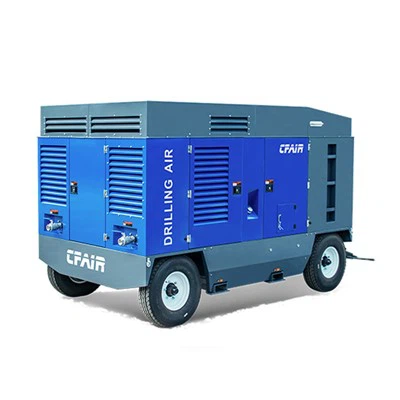
Hey there! As a supplier of Mobile Diesel Compressors, I've seen firsthand how crucial it is to keep these machines running at their best. Whether you're using them for sandblasting, blasting, or other heavy - duty tasks, optimizing their performance can save you time, money, and a whole lot of headaches. So, let's dive into some tips on how to get the most out of your mobile diesel compressor.
Regular Maintenance
First things first, regular maintenance is the key to a well - performing compressor. You wouldn't expect a car to run smoothly without oil changes and tune - ups, right? The same goes for your mobile diesel compressor.
- Oil Checks and Changes: Diesel compressors rely on oil to lubricate their moving parts and keep them cool. Check the oil level regularly, at least once a day if you're using the compressor frequently. Over time, the oil can break down and become contaminated with dirt and debris. When it does, it won't be as effective at protecting the compressor. As a general rule, change the oil every 500 - 1000 hours of operation, but always refer to the manufacturer's guidelines.
- Air Filter Replacement: The air filter is like the lungs of your compressor. It keeps dirt and dust from entering the engine and causing damage. A clogged air filter restricts airflow, which can lead to reduced performance and increased fuel consumption. Replace the air filter every 250 - 500 hours or more often if you're operating in a dusty environment.
- Cooling System Maintenance: Diesel engines generate a lot of heat, and the cooling system is responsible for keeping the engine at a safe operating temperature. Check the coolant level regularly and make sure there are no leaks in the radiator or hoses. Clean the radiator fins to remove any dirt or debris that might block airflow and prevent proper cooling.
Proper Operation
How you operate your mobile diesel compressor also has a big impact on its performance.
- Warm - up and Cool - down: Just like a race car driver doesn't floor the accelerator right away, you shouldn't start using your compressor at full capacity immediately. Give it a few minutes to warm up before you start working. This allows the oil to circulate properly and the engine to reach its optimal operating temperature. Similarly, after you're done using the compressor, let it run at idle for a few minutes to cool down. This helps prevent damage to the engine and other components.
- Load Management: Don't overload your compressor. Every compressor has a rated capacity, which is the maximum amount of air it can produce at a given pressure. If you try to draw more air than the compressor can handle, it will have to work harder, which can lead to overheating, increased wear and tear, and reduced efficiency. Make sure you know the capacity of your compressor and match it to the requirements of your tools and equipment.
Monitoring and Troubleshooting
Keep an eye on your compressor's performance and address any issues as soon as they arise.
- Performance Monitoring: Use the compressor's built - in gauges and indicators to monitor its performance. Pay attention to things like pressure, temperature, and oil level. If you notice any sudden changes or abnormal readings, it could be a sign of a problem.
- Troubleshooting: If you encounter a problem with your compressor, don't panic. Start by checking the basics, like the oil level, air filter, and fuel supply. Many common issues can be resolved with a simple inspection and adjustment. If you're not sure what's wrong, consult the manufacturer's manual or contact a professional technician.
Upgrades and Accessories
Sometimes, upgrading your compressor or adding accessories can improve its performance.
- High - Efficiency Filters: Upgrading to high - efficiency air and oil filters can improve the compressor's performance and extend its lifespan. These filters are designed to trap more dirt and debris, which means cleaner air and oil for your compressor.
- Variable Speed Drives: A variable speed drive (VSD) allows the compressor to adjust its speed based on the demand for air. This can result in significant energy savings, especially if your compressor operates at varying loads.
Applications and Related Products
Mobile diesel compressors are used in a variety of applications, such as sandblasting and blasting. If you're in the market for a compressor for these specific tasks, check out our Compressor for Sandblasting and Compressor for Blasting options. And of course, our Mobile Diesel Compressor is a versatile and reliable choice for many different jobs.
Conclusion
Optimizing the performance of your mobile diesel compressor is all about regular maintenance, proper operation, monitoring, and sometimes, a few upgrades. By following these tips, you can keep your compressor running smoothly, reduce downtime, and save money in the long run.


If you're interested in purchasing a mobile diesel compressor or have any questions about optimizing the performance of your existing one, don't hesitate to reach out. We're here to help you make the most of your equipment.
References
- Manufacturer's manuals for mobile diesel compressors
- Industry best practices for compressor maintenance and operation