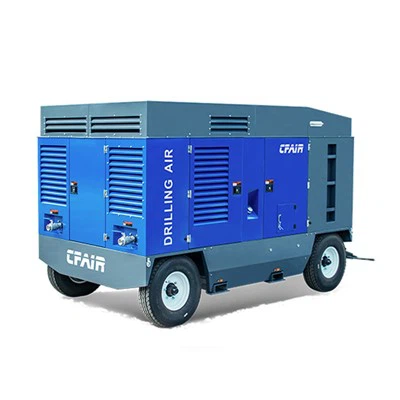
When it comes to industrial operations, stage V air compressors have emerged as a crucial element in meeting high - performance and eco - friendly standards. As a supplier of stage V air compressors, I am often asked about the electrical requirements for these advanced machines. Understanding these requirements is essential not only for ensuring the proper functioning of the compressors but also for optimizing energy usage and minimizing operational costs.
First, let's understand what stage V air compressors are. These compressors are designed to comply with the stringent European Union Stage V emissions regulations. They are more efficient, cleaner, and offer better performance compared to their predecessors. They can be used in a wide range of applications, from construction sites to manufacturing plants, where a reliable source of compressed air is needed.
Voltage Requirements
The voltage requirements for stage V air compressors can vary depending on the size and type of the compressor. Smaller, portable stage V air compressors, such as the Bridge Air Compressor, usually operate on standard single - phase voltage. In most regions, this means they can run on a 220 - 240V or 110 - 120V power supply, which is common in household and small - scale industrial settings. These compressors are ideal for applications where mobility and ease of use are key, such as on small construction sites or in workshops.
On the other hand, larger industrial - grade stage V air compressors, like the Large Air Compressor, typically require a three - phase power supply. Three - phase power is more efficient for high - power equipment as it provides a more consistent flow of electricity. The standard three - phase voltages used in industrial applications are 380V, 400V, or 480V, depending on the region and the specific requirements of the compressor. It is crucial to ensure that the power supply matches the voltage requirements of the compressor to avoid damage to the equipment and ensure safe operation.
Power Rating
The power rating of a stage V air compressor is another important electrical requirement to consider. The power rating is usually measured in kilowatts (kW) and indicates the amount of electrical power the compressor consumes during operation. Smaller compressors may have a power rating of around 1 - 5kW, while larger industrial compressors can have power ratings of 50kW or more.

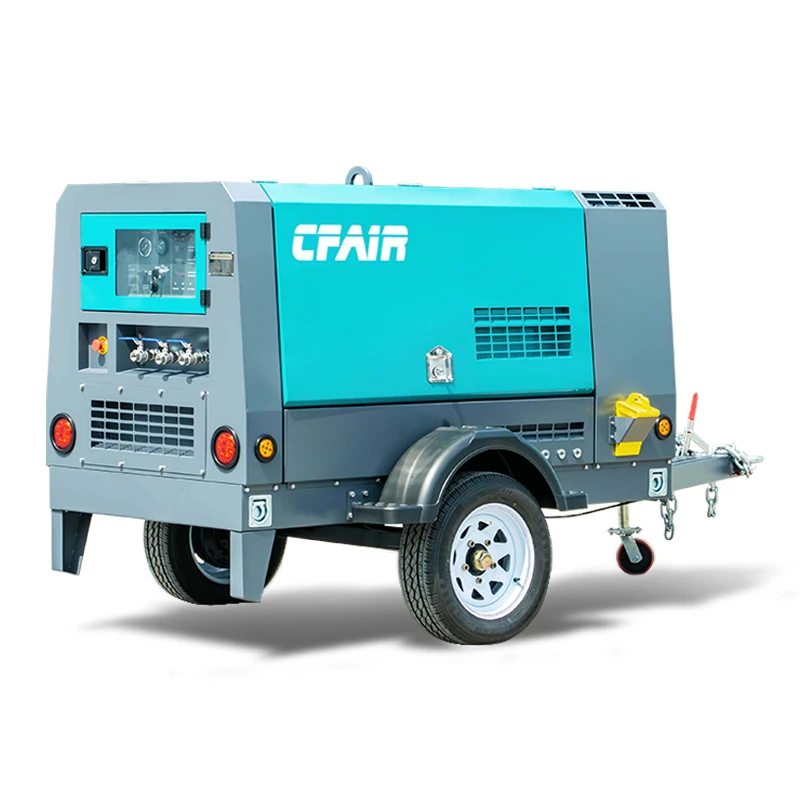
The power rating of the compressor is directly related to its performance. A higher - power compressor can deliver a greater volume of compressed air at a higher pressure. However, it also means higher energy consumption. As a supplier, we always recommend evaluating the actual air - demand requirements of your application before selecting a compressor with a specific power rating. This can help you avoid over - sizing the compressor, which would lead to unnecessary energy costs, or under - sizing it, which could result in insufficient compressed air for your operations.
Electrical Protection and Control
Stage V air compressors require proper electrical protection and control systems to ensure safe and reliable operation. These systems include circuit breakers, fuses, and overload protection devices. Circuit breakers are designed to automatically interrupt the electrical circuit in case of a short - circuit or over - current situation, protecting the compressor and the electrical infrastructure from damage. Fuses serve a similar purpose, but they are a one - time use device that needs to be replaced after it blows.
Overload protection devices monitor the current drawn by the compressor motor. If the current exceeds a pre - set limit, the device will trip and shut off the power to the motor, preventing overheating and potential damage. In addition to these basic protection devices, modern stage V air compressors often come with advanced control systems that allow for precise regulation of the compressor's operation. These control systems can adjust the compressor's speed, pressure, and other parameters based on the actual air demand, further optimizing energy usage.
Starting Current
The starting current of a stage V air compressor is an important consideration, especially for larger compressors. When a compressor motor starts, it typically draws a much higher current than its normal operating current. This inrush current can be several times the rated current of the motor and can cause voltage drops in the electrical supply system.
To mitigate the effects of the starting current, some compressors are equipped with soft - start devices. These devices gradually increase the voltage applied to the motor during startup, reducing the inrush current and minimizing the impact on the electrical supply. As a supplier, we can provide guidance on whether a soft - start device is necessary for your specific application, depending on the size of the compressor and the capacity of your electrical supply system.
Energy Efficiency
Energy efficiency is a major concern when it comes to the electrical requirements of stage V air compressors. These compressors are designed to be more energy - efficient than older models, but proper operation and maintenance are still crucial to achieving optimal energy savings. For example, running the compressor at the appropriate pressure and load can significantly reduce energy consumption.
Many modern stage V air compressors are equipped with variable - speed drives (VSDs). VSDs allow the compressor motor to adjust its speed based on the air demand, rather than running at a fixed speed all the time. This can result in substantial energy savings, especially in applications where the air demand varies over time. As a supplier, we can help you select a compressor with a VSD if it is suitable for your application, and provide advice on how to operate it efficiently.
Compatibility with Electrical Infrastructure
Before purchasing a stage V air compressor, it is essential to ensure that it is compatible with your existing electrical infrastructure. This includes checking the capacity of your electrical supply, the type of wiring, and the availability of appropriate electrical protection devices. If your electrical system is not capable of meeting the requirements of the compressor, you may need to upgrade it.
As a supplier, we offer comprehensive support to our customers in assessing their electrical infrastructure. We can provide detailed technical specifications of our compressors and work with you or your electrical contractor to ensure a smooth installation process.
Conclusion
In conclusion, understanding the electrical requirements of stage V air compressors is crucial for their proper operation, energy efficiency, and safety. From voltage and power rating to electrical protection and starting current, each aspect plays a vital role in determining the performance of the compressor. As a supplier of stage V air compressors, we are committed to providing high - quality products and expert advice to our customers. Whether you are looking for a small Bridge Air Compressor or a large - scale Large Air Compressor, we have the right solutions for your needs.
If you are interested in learning more about our Compressors or have any questions regarding the electrical requirements for stage V air compressors, we encourage you to contact us for a detailed discussion. Our team of experts is ready to assist you in selecting the most suitable compressor for your application and guide you through the installation and operation process.
References
- European Union Commission. (Year). Stage V Emissions Regulations for Non - Road Mobile Machinery.
- Compressed Air and Gas Institute. (Year). Handbook of Compressed Air Systems.