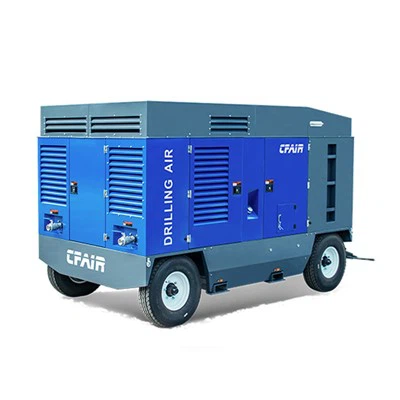
As a supplier of stage V air compressors, I understand the importance of safely transporting these valuable and often heavy pieces of equipment. Stage V air compressors are designed to meet strict environmental standards, offering high - efficiency and reliable performance. However, their transportation requires careful planning and execution to prevent damage and ensure they reach their destination in perfect working condition. In this blog, I will share some essential tips on how to transport a stage V air compressor safely.
Pre - Transport Preparation
Inspection
Before transporting the stage V air compressor, conduct a thorough inspection. Check for any visible damage to the compressor body, hoses, and fittings. Make sure all the components are securely attached. Test the compressor if possible to ensure it is functioning correctly. Any pre - existing issues should be noted down and addressed if necessary. This inspection not only helps in identifying potential problems but also serves as a baseline in case of any damage during transportation.
Cleaning
Clean the air compressor thoroughly. Remove any dirt, debris, or oil that may have accumulated on the surface. A clean compressor is less likely to attract pests during transit and is easier to handle. Additionally, cleaning helps in identifying any hidden damage or leaks that may not be visible under a layer of grime.
Drainage
If the air compressor has a water separator or a condensate tank, drain them completely. Water left in these components can freeze during transportation, especially in cold weather, causing damage to the tank or the separator. Draining also reduces the overall weight of the compressor, which can be beneficial during transportation.
Securing Loose Parts
Any loose parts such as hoses, belts, or tools that come with the compressor should be properly secured. Use zip ties or straps to keep hoses in place. Store small tools in a dedicated toolbox or container and secure it to the compressor. This prevents parts from moving around during transit and potentially causing damage to the compressor or other items in the transport vehicle.
Choosing the Right Transportation Method
Size and Weight Consideration
Stage V air compressors come in various sizes and weights. For smaller units, such as the Small Portable Air Compressors, they can often be transported in a pickup truck or a van. These smaller compressors are more maneuverable and can be easily loaded and unloaded.


On the other hand, larger compressors, like the Largest Portable Air Compressor, may require a flatbed truck or a specialized transport vehicle. The weight and size of these compressors need to be carefully considered when choosing the transportation method to ensure the vehicle can handle the load safely.
Distance and Terrain
The distance of the transportation and the terrain also play a crucial role. For short - distance transportation on smooth roads, a standard truck may be sufficient. However, for long - distance transportation or if the route includes rough terrain, a more rugged vehicle with better shock absorption may be required. For example, if the compressor needs to be transported to a construction site in a rural area with unpaved roads, a heavy - duty truck with off - road capabilities would be a better choice.
Insurance
Regardless of the transportation method chosen, it is essential to have proper insurance coverage. This protects against any potential damage or loss during transit. Make sure to inform the insurance provider about the type of air compressor being transported, its value, and the transportation details.
Loading the Air Compressor
Use Appropriate Equipment
When loading the air compressor, use the right equipment. For smaller compressors, a hand truck or a pallet jack can be used. For larger units, a forklift or a crane may be necessary. Make sure the equipment is in good working condition and that the operators are trained and experienced.
Positioning
Position the air compressor correctly on the transport vehicle. It should be centered to ensure even weight distribution. If possible, place the compressor on a flat and stable surface. Use blocks or wedges to prevent the compressor from sliding during transit.
Securing the Compressor
Once the compressor is in position, secure it firmly to the transport vehicle. Use heavy - duty straps or chains to tie down the compressor. Make sure the straps are tightened properly and that they do not damage the compressor. Check the tightness of the straps regularly during loading and before starting the journey.
During Transportation
Driving Carefully
The driver of the transport vehicle should drive carefully, especially when carrying a stage V air compressor. Avoid sudden starts, stops, and sharp turns. These actions can cause the compressor to shift or fall, leading to damage. On rough roads, reduce the speed to minimize the impact of bumps and vibrations.
Monitoring
If possible, monitor the compressor during transportation. This can be done through a tracking device or by having someone accompany the vehicle. Regularly check the tightness of the straps and the position of the compressor. If any issues are detected, stop the vehicle immediately and take corrective action.
Unloading the Air Compressor
Follow Loading Procedures in Reverse
Unloading the air compressor should be done in a similar manner to loading. Use the appropriate equipment and follow the same safety procedures. Make sure the area where the compressor will be unloaded is clear and stable.
Re - Inspection
After unloading, conduct another inspection of the air compressor. Check for any signs of damage that may have occurred during transportation. If any damage is found, document it immediately and contact the insurance provider and the customer if applicable.
Post - Transport Checks
Reassembly
If any parts were removed or disconnected for transportation, reassemble them carefully. Follow the manufacturer's instructions to ensure proper installation.
Testing
Once the compressor is reassembled, test it to make sure it is still functioning correctly. Check for any leaks, unusual noises, or performance issues. If any problems are detected, troubleshoot and repair them before using the compressor.
Conclusion
Transporting a stage V air compressor safely requires careful planning, the right equipment, and strict adherence to safety procedures. By following the steps outlined in this blog, you can minimize the risk of damage and ensure that your customers receive their air compressors in perfect working condition.
If you are interested in purchasing a stage V air compressor or have any questions about transportation or our products, feel free to contact us for more information and to start a procurement discussion. Our team of experts is ready to assist you in finding the right air compressor for your needs.
References
- Industry standards for air compressor transportation
- Manufacturer's guidelines for stage V air compressors