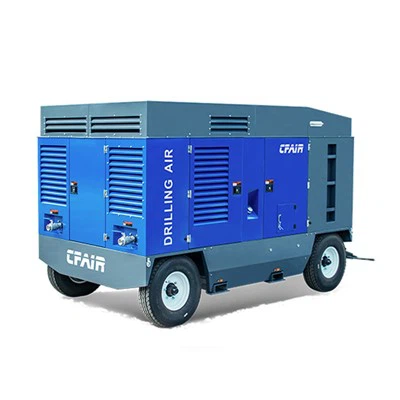
Hey there! I'm [Your Name], and I work as a supplier of Diesel Driven Compressors. Over the years, I've seen a lot of folks scratching their heads when it comes to installing these powerful machines. So, I thought I'd put together this guide to walk you through the process step by step.
Why Diesel Driven Compressors?
Before we jump into the installation process, let's quickly talk about why diesel driven compressors are so popular. These bad boys are known for their portability and reliability. They're often used in construction sites, mining operations, and other places where you need a lot of compressed air on the go. With a diesel engine powering them, they can work in remote areas without access to electricity.
Pre - Installation Checks
First things first, you need to do a bunch of pre - installation checks. Start by choosing the right location for your compressor. It should be a well - ventilated area, away from any flammable materials. The ground should be level and sturdy enough to support the weight of the compressor.
Next, check all the components of the compressor. Make sure there are no visible damages to the engine, the compressor pump, hoses, and fittings. Look for any loose parts and tighten them up if needed. Also, check the oil level in the engine. If it's low, top it up with the recommended oil type. You can find this information in the user manual that comes with the compressor.
Gathering the Tools
You'll need a few tools to get the installation done. Here's a basic list:
- Socket wrenches: You'll need different sizes to remove and install bolts.
- Screwdrivers: Both flat - head and Phillips - head will come in handy.
- Pipe wrenches: These are useful for tightening and loosening pipes.
- A torque wrench: This is important to ensure that all bolts are tightened to the correct torque specifications.
- A level: To make sure the compressor is installed perfectly level.
Installation Steps
1. Positioning the Compressor
Carefully move the compressor to the chosen location. Use a forklift or a pallet jack if it's too heavy to move by hand. Once it's in place, use the level to check if it's sitting flat on the ground. Adjust the feet of the compressor if necessary.
2. Connecting the Fuel System
The fuel system is a crucial part of the diesel driven compressor. First, connect the fuel tank to the engine. Make sure all the fuel lines are properly attached and there are no leaks. You can use a fuel line sealant to prevent any seepage. Also, check the fuel filter and replace it if it's dirty.


3. Electrical Connections
Most diesel driven compressors have some electrical components, like the starter motor and the control panel. Connect the battery to the starter motor following the correct polarity. Red is usually positive and black is negative. Then, connect the control panel to the appropriate sensors and switches on the compressor. Make sure all the wires are securely connected and there are no exposed conductors.
4. Air Intake and Exhaust
The air intake system brings in fresh air for the engine to burn fuel, and the exhaust system expels the burnt gases. Connect the air intake filter to the engine. A clean air filter is essential for the engine's performance. For the exhaust, attach the exhaust pipe to the engine's exhaust port. Make sure the exhaust is directed away from the compressor and any areas where people might be working.
5. Cooling System
Diesel engines generate a lot of heat, so the cooling system is very important. Connect the radiator hoses to the engine. Fill the radiator with the recommended coolant mixture. Check for any leaks in the cooling system and make sure the radiator fan is working properly.
6. Compressor Pump Connection
The compressor pump is what actually compresses the air. Connect the pump to the engine using the drive belt or coupling. Make sure the belt is properly tensioned. If it's too loose, it won't transfer power efficiently. If it's too tight, it can cause excessive wear on the belt and the pulleys.
7. Air Outlet Connections
Connect the air outlet of the compressor to your air tools or storage tanks. Use high - quality air hoses and fittings. Make sure all the connections are tight to prevent air leaks. You can use thread seal tape on the fittings for a better seal.
Post - Installation Checks
Once you've completed the installation, it's time for some post - installation checks. Start by checking all the connections again. Make sure everything is tightened and there are no loose parts. Then, turn on the fuel valve and prime the fuel system if necessary.
Before starting the engine, check the oil level one more time. Also, make sure the air filter is clean. Now, you can start the engine. Listen for any unusual noises. If you hear knocking or rattling sounds, stop the engine immediately and check for the problem.
Let the engine run for a few minutes to warm up. Check the temperature gauge to make sure the engine is not overheating. Also, check the air pressure gauge to see if the compressor is building up pressure correctly.
Maintenance Tips
To keep your diesel driven compressor running smoothly, regular maintenance is a must. Change the oil and oil filter at the recommended intervals. Replace the air filter when it gets dirty. Check the belts and hoses for wear and tear and replace them if needed.
Where to Find More Information
If you want to learn more about engine driven air compressors, you can check out this link: Engine Driven Air Compressor. It has a lot of useful information about different types of engine driven compressors.
Also, if you're interested in how compressors are used in construction, check out this link: Compressor In Construction. And for more details on engine drive air compressors, click here: Engine Drive Air Compressor.
Contact Us for Purchase
If you're in the market for a diesel driven compressor or have any questions about installation or maintenance, don't hesitate to reach out. We're here to help you find the perfect compressor for your needs. Whether you're a small business owner or part of a large construction company, we've got the right solution for you.
References
- Diesel Driven Compressor User Manuals
- Industry Standards for Compressor Installation
- Technical Bulletins from Compressor Manufacturers