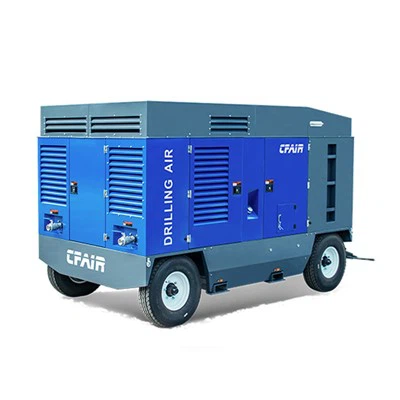
When it comes to industrial operations, construction sites, or even some large - scale DIY projects, having a reliable air compressor is crucial. Among the various types of air compressors available, towable air compressors offer a unique combination of mobility and power. As a supplier of towable air compressors, I understand the importance of helping customers make the right choice. In this blog, I'll share some key factors to consider when choosing the right towable air compressor.
1. Determine Your Air Requirements
The first step in selecting a towable air compressor is to understand your air requirements. Two main parameters are important here: cubic feet per minute (CFM) and pounds per square inch (PSI).
CFM measures the volume of air the compressor can deliver at a given pressure. Different tools and applications have different CFM requirements. For example, a small nail gun might require only 1 - 2 CFM, while a large - scale sandblasting operation could need 100 CFM or more. Make a list of all the tools you plan to use with the compressor and add up their CFM requirements. It's advisable to choose a compressor that can provide a bit more CFM than your total calculated need to ensure smooth operation.
PSI, on the other hand, represents the pressure at which the air is delivered. Most air tools operate within a specific PSI range. Common air tools like impact wrenches typically require 90 - 100 PSI. Ensure that the compressor you choose can meet the maximum PSI requirement of your tools.
2. Consider the Power Source
Towable air compressors can be powered by different sources, each with its own advantages and disadvantages.
Diesel - Powered Compressors
Diesel - powered towable air compressors are a popular choice for many industries, especially those in remote locations. Diesel engines are known for their durability and high - torque output, which allows them to power large - capacity compressors. They can operate for long hours without refueling, making them ideal for continuous use on construction sites or in mining operations. You can learn more about Diesel Mobile Air Compressor on our website.
However, diesel engines also have some drawbacks. They produce more emissions compared to other power sources, and the cost of diesel fuel can be relatively high. Additionally, diesel engines require regular maintenance to keep them running efficiently.
Gas - Powered Compressors
Gas - powered towable air compressors are more common in smaller - scale applications. Gas engines are generally lighter and more affordable than diesel engines. They are also easier to start and can be a good option for occasional use or in areas where diesel fuel is not readily available.
But gas - powered compressors have a shorter runtime compared to diesel ones. They also produce fewer emissions than diesel engines, but they still contribute to air pollution.
Electric - Powered Compressors
Electric - powered towable air compressors are the cleanest option in terms of emissions. They are relatively quiet and require less maintenance compared to combustion engines. Electric compressors are suitable for indoor use or in areas where noise and emissions are a concern. However, they need a reliable power source, which can be a limitation in remote locations.
3. Evaluate the Mobility and Portability
As the name suggests, towable air compressors are designed to be mobile. But different models offer different levels of mobility.
Consider the size and weight of the compressor. A smaller and lighter compressor will be easier to tow and maneuver, especially in tight spaces. Look for features like a sturdy towing hitch, large - diameter wheels, and a well - balanced design to ensure smooth transportation.
Some towable air compressors also come with additional mobility features, such as built - in handles or a trailer - style design that allows for easy attachment to a vehicle. If you need to move the compressor frequently between different job sites, these features can be very useful. You can explore our Towable Portable Air Compressor options for more details.
4. Check the Build Quality and Durability
A towable air compressor is an investment, and you want it to last for a long time. Pay attention to the build quality of the compressor. Look for a unit made from high - quality materials, such as heavy - gauge steel for the frame and durable components for the compressor pump.
The compressor should also be designed to withstand harsh working conditions. Features like a protective enclosure can help shield the compressor from dust, debris, and weather elements. Additionally, check for a good warranty from the manufacturer. A longer warranty period is often an indication of the manufacturer's confidence in the product's durability.
5. Noise Level
Noise can be a significant issue, especially if you're using the air compressor in a residential area or a workplace where noise regulations apply. Some towable air compressors are designed to be quieter than others.
Look for compressors with noise - reducing features, such as sound - dampening enclosures or low - noise compressor pumps. A quieter compressor not only makes the working environment more comfortable but also helps you avoid potential noise - related complaints or fines.
6. Maintenance Requirements
Regular maintenance is essential to keep your towable air compressor running smoothly. Different models have different maintenance requirements.
Some compressors require frequent oil changes, filter replacements, and other routine maintenance tasks. Consider how much time and effort you're willing to spend on maintenance. Look for compressors that are designed for easy maintenance, with accessible components and clear maintenance instructions.
7. Cost
Cost is always a factor when making a purchasing decision. The price of a towable air compressor can vary widely depending on its size, power, features, and brand.
It's important to balance the initial cost with the long - term benefits. A more expensive compressor may have better performance, durability, and features, which can save you money in the long run by reducing maintenance costs and downtime. However, if you only need the compressor for occasional use, a more affordable option may be sufficient.
8. Brand Reputation and Customer Support
When choosing a towable air compressor, it's also important to consider the brand reputation and customer support. A well - established brand with a good reputation is more likely to produce high - quality products and offer reliable customer support.
Read customer reviews and testimonials to get an idea of what other users think about the brand and its products. Look for a brand that offers good after - sales service, including technical support, spare parts availability, and warranty coverage.
In conclusion, choosing the right towable air compressor requires careful consideration of your specific needs, budget, and operating conditions. By taking the time to evaluate these factors, you can make an informed decision and select a compressor that will meet your requirements and provide reliable performance for years to come.


If you're interested in learning more about our towable air compressors or have any questions about the selection process, please don't hesitate to contact us. We're here to help you find the perfect solution for your air compression needs.
References
- Compressed Air and Gas Institute (CAGI). Guidelines for Selecting Air Compressors.
- Manufacturer's manuals and product specifications for various towable air compressors.