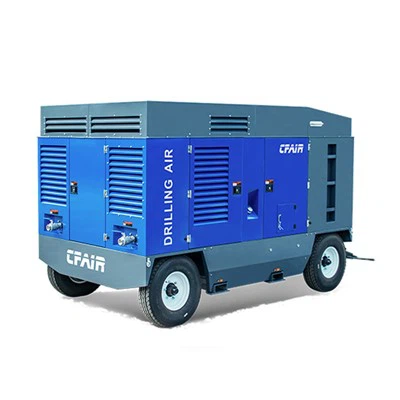
Balancing the load of a diesel driven compressor is crucial for ensuring its optimal performance, longevity, and energy efficiency. As a supplier of Diesel Driven Compressors, I have witnessed firsthand the impact of proper load balancing on the overall operation of these machines. In this blog post, I will share some insights and strategies on how to effectively balance the load of a diesel driven compressor.
Understanding the Basics of Diesel Driven Compressors
Before delving into load balancing, it's essential to understand the basic components and operation of a diesel driven compressor. A diesel driven compressor consists of a diesel engine, an air compressor unit, and various control systems. The diesel engine provides the power to drive the compressor, which compresses air and stores it in a tank for later use.
The load on a diesel driven compressor refers to the amount of work it needs to perform at any given time. This load can vary depending on factors such as the demand for compressed air, the operating pressure, and the efficiency of the compressor. When the load on the compressor is not properly balanced, it can lead to several issues, including increased fuel consumption, reduced compressor lifespan, and decreased overall performance.
Factors Affecting Load on a Diesel Driven Compressor
Several factors can affect the load on a diesel driven compressor. Understanding these factors is the first step in effectively balancing the load.
Air Demand
The most significant factor affecting the load on a compressor is the demand for compressed air. If the demand for compressed air is high, the compressor will need to work harder to meet that demand, resulting in a higher load. Conversely, if the demand is low, the compressor can operate at a lower load.
Operating Pressure
The operating pressure of the compressor also affects the load. Higher operating pressures require the compressor to work harder to compress the air, increasing the load. Therefore, it's important to set the operating pressure according to the specific requirements of the application.
Compressor Efficiency
The efficiency of the compressor itself plays a role in load management. A more efficient compressor can produce the same amount of compressed air with less energy, resulting in a lower load. Regular maintenance and proper sizing of the compressor can help improve its efficiency.
Strategies for Balancing the Load of a Diesel Driven Compressor
Proper Sizing
One of the most important steps in load balancing is proper sizing of the compressor. A compressor that is too small will be constantly overloaded, while a compressor that is too large will operate inefficiently at low loads. When selecting a compressor, it's crucial to accurately assess the air demand of the application. Consider factors such as the number of air tools being used, their air consumption rates, and the duty cycle. Our Engine Drive Air Compressor comes in a variety of sizes to meet different air demand requirements, ensuring that you can choose the right one for your specific needs.


Variable Speed Drives
Variable speed drives (VSDs) are an effective way to balance the load on a diesel driven compressor. A VSD allows the compressor to adjust its speed according to the air demand. When the demand is low, the compressor can operate at a lower speed, reducing the load and saving energy. As the demand increases, the compressor can speed up to meet the higher demand. This not only helps in load balancing but also improves the overall energy efficiency of the compressor. Our Quiet Portable Air Compressor is equipped with advanced VSD technology, providing precise control over the compressor's speed and load.
Multiple Compressor Systems
In some applications, using multiple compressors instead of a single large compressor can be a more effective way to balance the load. Multiple compressors can be staged to operate based on the air demand. For example, during periods of low demand, only one or a few compressors can be running, while during peak demand, all compressors can be activated. This allows for better load distribution and can improve the overall efficiency of the system. Our Diesel Mobile Air Compressor can be easily integrated into multiple compressor systems, providing flexibility in load management.
Regular Maintenance
Regular maintenance is essential for ensuring the proper operation and load balancing of a diesel driven compressor. Maintenance tasks such as changing the air filters, oil filters, and spark plugs can improve the efficiency of the diesel engine and the compressor. A well - maintained compressor will operate more smoothly and can better handle the load. Additionally, regular inspections can help identify any potential issues before they become major problems, ensuring the long - term reliability of the compressor.
Monitoring and Control Systems
Implementing monitoring and control systems can provide real - time information about the load on the compressor. These systems can measure parameters such as air pressure, temperature, and flow rate, allowing operators to adjust the compressor's operation as needed. For example, if the air pressure is too high, the system can reduce the compressor's load by adjusting the speed or shutting off some of the compressor units.
Benefits of Balancing the Load of a Diesel Driven Compressor
Balancing the load of a diesel driven compressor offers several benefits.
Energy Savings
Proper load balancing can significantly reduce energy consumption. By operating the compressor at the optimal load, less fuel is required to produce the same amount of compressed air. This not only saves money on fuel costs but also reduces the environmental impact of the compressor.
Extended Compressor Lifespan
When a compressor is operated at a balanced load, it experiences less stress and wear. This can extend the lifespan of the compressor, reducing the need for frequent replacements and saving on maintenance and replacement costs.
Improved Performance
A compressor with a balanced load can provide a more consistent supply of compressed air. This is especially important in applications where a stable air supply is critical, such as in manufacturing processes or construction sites.
Conclusion
Balancing the load of a diesel driven compressor is a complex but essential task. By understanding the factors that affect the load, implementing appropriate strategies such as proper sizing, using variable speed drives, and regular maintenance, and leveraging monitoring and control systems, operators can ensure the optimal performance, energy efficiency, and longevity of their compressors.
As a supplier of Diesel Driven Compressors, we are committed to providing high - quality products and expert advice on load balancing and compressor operation. If you are interested in learning more about our products or need assistance in balancing the load of your compressor, we encourage you to reach out to us for a detailed discussion and potential procurement. Our team of experts is ready to help you find the best solutions for your specific needs.
References
- Compressed Air and Gas Institute (CAGI). "Compressed Air System Assessment Guidelines."
- Diesel Engine Manufacturers Association. "Best Practices for Diesel Engine Operation."
- ASME (American Society of Mechanical Engineers). "Standards for Compressor Design and Operation."