Hey there! As a supplier of portable air compressors, I often get asked, "How much air flow does a portable air compressor produce?" Well, let's dive right into it and break down the factors that determine the air flow of these nifty machines.
First off, what exactly is air flow? In the world of air compressors, air flow is usually measured in cubic feet per minute (CFM). It tells you how much air the compressor can deliver at a specific pressure. Think of it like the amount of water coming out of a hose – the more CFM, the more air you've got to work with.
There are several types of portable air compressors, each with its own range of air flow capabilities. Let's take a look at some common ones.
Towable Air Compressor
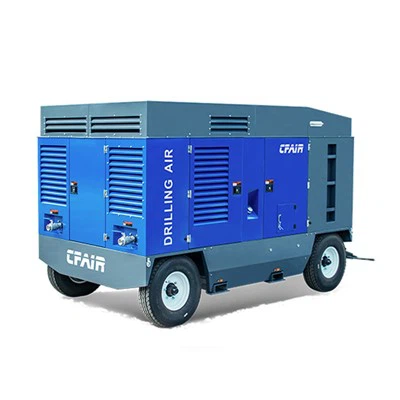
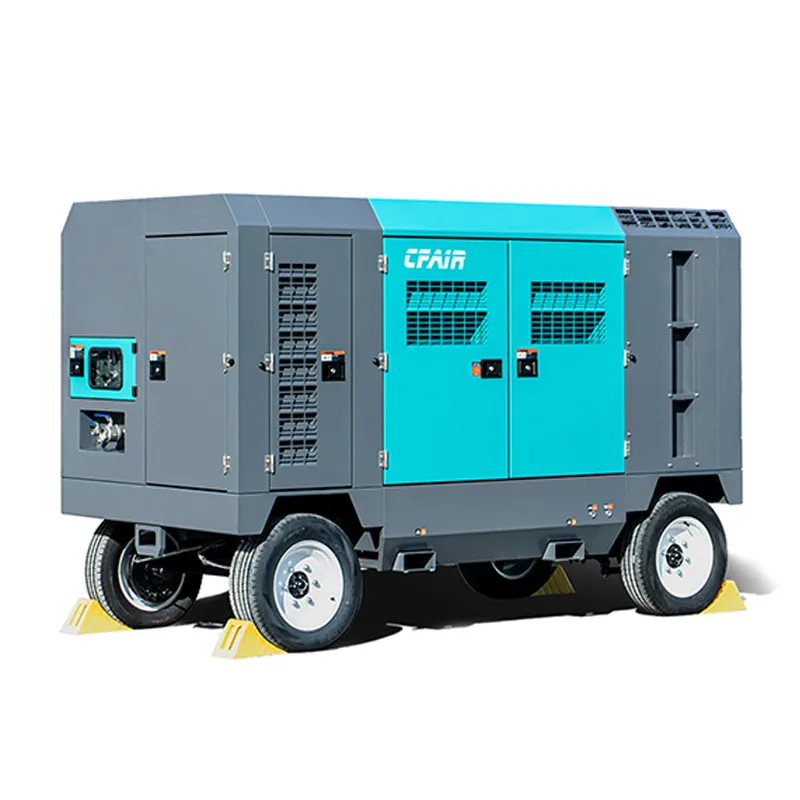
Towable air compressors are like the heavy - lifters of the portable air compressor world. These bad boys are designed to be towed behind a vehicle, making them great for large - scale jobs like construction sites and mining operations. You can find out more about Towable Air Compressor.
The air flow of towable air compressors can vary widely. Some smaller models might produce around 100 - 200 CFM, which is still a decent amount for some medium - sized tasks. But the larger, industrial - grade towable compressors can pump out an astonishing 1000 CFM or more. That's a whole lot of air! The high air flow is crucial for powering heavy - duty pneumatic tools such as jackhammers, large - scale sandblasters, and big - bore impact wrenches.
Portable Screw Compressor
Next up, we've got the Portable Screw Compressor. These compressors are known for their efficiency and continuous operation. They work by using two rotating screws to compress the air.
Portable screw compressors typically offer a more consistent air flow compared to some other types. A small - to - medium - sized portable screw compressor might produce anywhere from 20 - 100 CFM. This range makes them ideal for a variety of applications, including automotive repair shops, where they can power air tools like ratchet wrenches, paint sprayers, and air - powered drills. Larger portable screw compressors can reach up to 300 CFM or more, which is suitable for industrial painting operations and some manufacturing processes.
Engine Drive Air Compressor
Engine drive air compressors are powered by an engine, usually a gasoline or diesel engine. This gives them the advantage of being able to operate independently of an electrical power source, making them perfect for remote job sites. Check out Engine Drive Air Compressor.
The air flow of engine drive air compressors also varies. Smaller models with a single - cylinder engine might have an air flow of around 5 - 20 CFM. These are great for light - duty tasks like inflating tires or powering small airbrushes. On the other hand, larger engine drive compressors with multi - cylinder engines can produce 50 - 200 CFM or more. This higher air flow allows them to handle more demanding jobs such as running pneumatic nail guns for framing or powering air hoists.
Now, what factors can affect the air flow of a portable air compressor?
Pressure Settings
One of the biggest factors is the pressure setting. Air compressors are rated at a specific pressure, usually in pounds per square inch (PSI). As you increase the pressure, the air flow will generally decrease. For example, a compressor might be rated to produce 100 CFM at 90 PSI. But if you crank up the pressure to 120 PSI, the air flow might drop to 80 CFM. So, when you're choosing a compressor, you need to consider the pressure requirements of your tools and balance that with the desired air flow.
Compressor Size and Design
The physical size and design of the compressor also play a role. Larger compressors with bigger cylinders and more powerful motors can usually produce more air flow. The type of compression mechanism, whether it's reciprocating, screw, or rotary vane, also affects how efficiently the air is compressed and delivered.
Altitude and Temperature
Altitude and temperature can have an impact too. At higher altitudes, the air is thinner, which means there's less air available for the compressor to suck in. This can result in a decrease in air flow. Similarly, extremely high temperatures can cause the air to expand, making it harder for the compressor to compress the air effectively, leading to a reduction in air flow.
So, how do you choose the right portable air compressor based on air flow?
First, make a list of the tools you'll be using. Check the manufacturer's specifications for each tool to find out their CFM requirements. Add up the CFM needs of all the tools you plan to use simultaneously. Then, choose a compressor that can provide at least that much air flow at the required pressure.

For example, if you're using a paint sprayer that requires 20 CFM at 40 PSI and a nail gun that needs 10 CFM at 90 PSI, you'll need a compressor that can handle a combined air flow of around 30 CFM at the appropriate pressures.
In conclusion, the air flow of a portable air compressor can vary greatly depending on the type, size, and design of the compressor, as well as external factors like pressure settings, altitude, and temperature. Whether you're a contractor working on a construction site, a mechanic in an auto shop, or a DIY enthusiast working on home projects, choosing the right air flow is crucial for getting the job done efficiently.
If you're in the market for a portable air compressor and have questions about air flow or which model is right for you, don't hesitate to reach out. We're here to help you make the best choice for your specific needs. Let's start a conversation and find the perfect portable air compressor for your projects!
References
- Compressed Air and Gas Institute (CAGI) standards on air compressor performance.
- Manufacturer specifications and technical manuals for various portable air compressors.