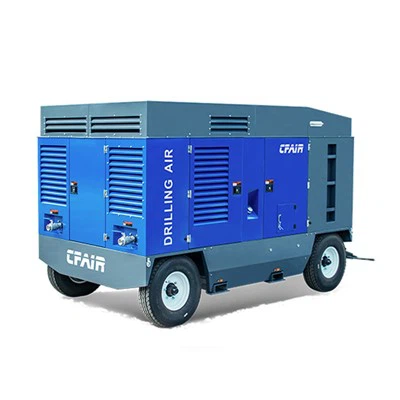
Hey there! As a supplier of portable air compressors, I often get asked about maintenance and replacement parts. One common question is how to replace the air intake of a portable air compressor. In this blog post, I'll walk you through the process step by step.
Why Replace the Air Intake?
First off, you might be wondering why you'd need to replace the air intake in the first place. Well, over time, the air intake can get clogged with dirt, dust, and debris. This can restrict the airflow into the compressor, which in turn can reduce its efficiency and performance. A clogged air intake can also cause the compressor to work harder, leading to increased wear and tear on the engine and other components. So, replacing the air intake is an important part of regular maintenance that can help keep your portable air compressor running smoothly.
Tools and Materials You'll Need
Before you start, gather the following tools and materials:
- A new air intake filter (make sure it's the right size and type for your compressor)
- A socket wrench set
- A screwdriver (flathead or Phillips, depending on your compressor)
- A clean, dry cloth
- Safety glasses
Step 1: Safety First
Before you do anything, make sure the compressor is turned off and unplugged (if it's an electric model) or the engine is stopped (if it's a diesel or gas-powered model). This will prevent any accidental starts and keep you safe while you're working on the machine. Put on your safety glasses to protect your eyes from any debris that might come loose during the process.
Step 2: Locate the Air Intake
The air intake is usually located on the side or top of the compressor. It's a housing that contains the air filter. On some compressors, it might be covered by a protective grille or panel. Look for a large opening where air is drawn into the compressor. If you're having trouble finding it, refer to your compressor's user manual.
Step 3: Remove the Old Air Intake Filter
Once you've located the air intake, use your socket wrench or screwdriver to remove the bolts or screws that hold the air intake housing in place. Carefully lift off the housing to expose the old air filter. You might notice that the filter is dirty or clogged with dust and debris. This is a clear sign that it needs to be replaced.
Gently pull the old filter out of the housing. Be careful not to let any of the dirt or debris fall into the compressor. If the filter is really dirty, you can tap it gently against a hard surface to dislodge some of the larger particles. However, don't try to clean the filter and reuse it. It's best to replace it with a new one for optimal performance.
Step 4: Clean the Air Intake Housing
With the old filter removed, take a clean, dry cloth and wipe down the inside of the air intake housing. This will remove any remaining dirt or debris and ensure a clean surface for the new filter. Pay special attention to the edges of the housing where the filter sits. Make sure there are no obstructions or damage that could prevent the new filter from fitting properly.
Step 5: Install the New Air Intake Filter
Take your new air intake filter and carefully place it into the housing. Make sure it fits snugly and is properly aligned. Some filters might have a specific orientation, so check the markings on the filter or refer to the instructions that came with it. Once the filter is in place, lower the air intake housing back onto the compressor and secure it with the bolts or screws you removed earlier. Tighten them firmly, but don't over-tighten as this could damage the housing or the filter.
Step 6: Test the Compressor
After you've installed the new air intake filter, it's time to test the compressor. Plug it in (if it's electric) or start the engine (if it's diesel or gas-powered). Listen for any unusual noises or vibrations. Check to make sure the compressor is running smoothly and that the airflow seems normal. If everything looks and sounds good, you're all set!
Other Considerations
If you're using a Diesel Powered Air Compressor or Portable Diesel Air Compressors, the process is generally the same, but you might need to take some additional precautions. Diesel engines can be more sensitive to dirt and debris in the air intake, so it's even more important to keep the filter clean and replace it regularly.
For Mobile Air Compressor users, the air intake might be exposed to more dust and dirt due to their mobile nature. Make sure to check the air intake filter more frequently and replace it as needed to maintain optimal performance.
Contact Us for Your Air Compressor Needs
If you have any questions about replacing the air intake of your portable air compressor or if you're in the market for a new compressor, don't hesitate to reach out. As a supplier of high-quality portable air compressors, we're here to help you find the right product for your needs and provide you with the support and maintenance advice you need to keep it running smoothly. Whether you're a professional contractor or a DIY enthusiast, we've got you covered.


References
- Manufacturer's user manuals for portable air compressors
- Industry best practices for air compressor maintenance