Hey there! As a fan belt supplier, I often get asked, "How long does a fan belt usually last?" Well, it's not a one - size - fits - all answer. There are a bunch of factors that can influence the lifespan of a fan belt.
Let's start with what a fan belt is and what it does. A fan belt, also known as a drive belt, is a crucial part of a vehicle's engine system. It transfers power from the engine's crankshaft to various components like the alternator, water pump, and air - conditioning compressor. Without a properly functioning fan belt, these important parts won't work, and your vehicle could end up in a real mess.
Now, the average lifespan of a fan belt can vary widely. In general, a well - maintained fan belt can last anywhere from 40,000 to 70,000 miles. But that's just a ballpark figure. Some fan belts might start to show signs of wear and tear after just 30,000 miles, while others can keep going strong for 80,000 miles or more.
One of the biggest factors that affects how long a fan belt lasts is the quality of the belt itself. At our place, we make sure to use high - grade materials in our fan belts. We know that a belt made from better materials is more likely to withstand the rigors of daily use. Cheaper belts might seem like a good deal upfront, but they often wear out faster and can cause more problems in the long run.
The driving conditions also play a huge role. If you're constantly driving in stop - and - go traffic, your fan belt has to work harder. Every time you start and stop the engine, there's a lot of stress on the belt. Similarly, if you drive in extreme temperatures, whether it's really hot or really cold, it can take a toll on the belt. High temperatures can cause the rubber in the belt to dry out and crack, while cold temperatures can make the belt brittle.
Another thing to consider is how well the vehicle is maintained. Regular maintenance, like checking the tension of the fan belt and the alignment of the pulleys, can significantly extend the life of the belt. If the belt is too loose or too tight, it can wear out faster. And if the pulleys aren't properly aligned, the belt can rub against them unevenly, leading to premature wear.
Let's talk about the signs that your fan belt might be on its last legs. One of the most obvious signs is a squealing noise coming from the engine. This could be a sign that the belt is slipping on the pulleys. You might also notice visible signs of wear, like cracks or fraying on the belt. If you see oil or coolant on the belt, that's a bad sign too. Oil and coolant can break down the rubber in the belt, causing it to fail.
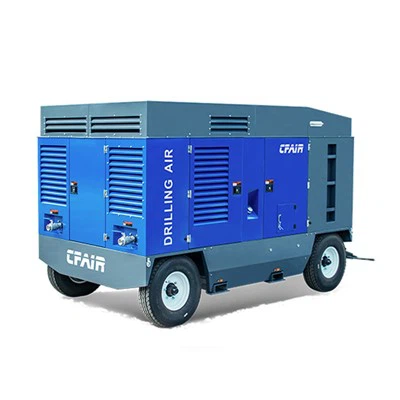
Now, I want to mention some related products that can also impact the performance of your vehicle. If you're into air compressors, you might be interested in some of the accessories we offer. For example, a Stabilizer Leg can help keep your air compressor stable, which is important for its overall performance. And a Hinge can be useful for opening and closing parts of the compressor easily. Also, don't forget about the Compressor Oil Filter. A good oil filter can keep your compressor running smoothly by removing contaminants from the oil.
So, what can you do to make your fan belt last as long as possible? First of all, choose a high - quality belt from a reputable supplier, like us. Second, make sure your vehicle is well - maintained. Have the belt checked regularly by a professional mechanic. And try to avoid driving in extreme conditions as much as possible.
If you're in the market for a new fan belt or any of the accessories I mentioned, we're here to help. We've got a wide range of fan belts to suit different vehicles and needs. Whether you're a car enthusiast or a professional mechanic, we can provide you with the products you need. And if you have any questions about how to choose the right belt or how to install it, our team of experts is always ready to assist.
We believe in building long - term relationships with our customers. That's why we offer top - notch products at competitive prices. If you're interested in purchasing our fan belts or any of our other products, don't hesitate to reach out. We're more than happy to discuss your requirements and provide you with a quote.
In conclusion, while there's no exact answer to how long a fan belt usually lasts, by choosing a good quality belt, maintaining your vehicle properly, and being aware of the driving conditions, you can get the most out of your fan belt. And if you need any fan belts or related accessories, we're just a message away.
References


- "Automotive Belt and Hose Guide" - Published by a leading automotive parts association
- "Maintenance Tips for Vehicle Engines" - A well - known automotive maintenance magazine