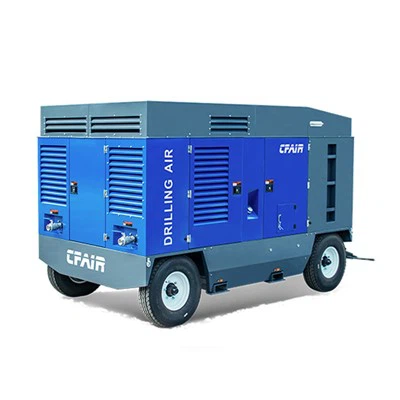
In the industrial landscape, oil-free air compressors have emerged as a crucial component across various sectors, from food and beverage production to pharmaceutical manufacturing. As a leading supplier of Oil Free Air Compressor, I've witnessed firsthand the significance of understanding how frequency affects these machines. This blog aims to delve into the intricate relationship between frequency and oil-free air compressors, providing valuable insights for businesses looking to optimize their operations.
Understanding Frequency in the Context of Air Compressors
Frequency, measured in Hertz (Hz), refers to the number of cycles per second in an alternating current (AC) electrical supply. In the case of oil-free air compressors, the frequency of the power supply directly influences the motor's rotational speed, which in turn affects the compressor's performance. Most regions around the world operate on either a 50 Hz or 60 Hz power grid, and this difference can have a profound impact on the functionality of the compressor.
Impact of Frequency on Compressor Performance
Compression Efficiency
The compression efficiency of an oil-free air compressor is closely tied to the rotational speed of the compressor's rotors or pistons. A higher frequency generally results in a higher rotational speed, which can lead to increased compression efficiency. When the compressor operates at a higher speed, it can compress more air in a given time, resulting in a higher output flow rate. However, this increased speed also generates more heat, which can potentially reduce the compressor's overall efficiency if not properly managed.
For instance, a Oil Free Rotary Screw Air Compressor operating at 60 Hz will typically have a higher rotational speed than the same compressor operating at 50 Hz. This can translate into a higher volume of compressed air being produced per unit of time, making it more suitable for applications that require a large and continuous supply of compressed air.


Power Consumption
Frequency also has a direct impact on the power consumption of an oil-free air compressor. As the frequency increases, the motor's rotational speed increases, which in turn increases the power consumption. This is because the motor has to work harder to maintain the higher speed. However, it's important to note that the relationship between frequency and power consumption is not always linear. Other factors, such as the compressor's design, load profile, and operating conditions, can also influence the power consumption.
In some cases, operating the compressor at a slightly lower frequency can actually result in lower power consumption without significantly sacrificing performance. This is particularly true for applications where the compressor does not need to operate at full capacity all the time. By adjusting the frequency, businesses can optimize the compressor's energy efficiency and reduce their operating costs.
Noise and Vibration
The rotational speed of the compressor's components can also affect the level of noise and vibration generated during operation. A higher frequency generally means a higher rotational speed, which can result in increased noise and vibration levels. This can be a concern in environments where noise pollution is a problem, such as in residential areas or noise-sensitive industrial facilities.
To mitigate the noise and vibration issues associated with higher frequencies, manufacturers often incorporate advanced noise reduction technologies and vibration dampening materials into their oil-free air compressors. Additionally, proper installation and maintenance of the compressor can also help to reduce the noise and vibration levels.
Considerations for Different Applications
The impact of frequency on an oil-free air compressor can vary depending on the specific application. Here are some considerations for different types of applications:
Continuous Operation
For applications that require continuous operation, such as in manufacturing plants or large-scale industrial facilities, a higher frequency may be preferred to ensure a consistent and high-volume supply of compressed air. However, it's important to ensure that the compressor is properly sized and designed to handle the increased load and heat generated at higher frequencies.
Intermittent Operation
In applications where the compressor operates intermittently, such as in small workshops or dental clinics, a lower frequency may be more suitable. This can help to reduce the power consumption and extend the lifespan of the compressor. Additionally, the lower noise and vibration levels associated with lower frequencies can be an advantage in these environments.
Precision Applications
For applications that require a high level of precision, such as in the electronics or pharmaceutical industries, the frequency stability of the power supply is crucial. Any fluctuations in frequency can affect the performance and accuracy of the compressor, potentially leading to product defects or quality issues. In these cases, it may be necessary to use a frequency converter or a stabilizer to ensure a stable power supply.
Importance of Choosing the Right Frequency
Choosing the right frequency for your oil-free air compressor is essential to ensure optimal performance, energy efficiency, and reliability. Here are some factors to consider when making this decision:
Power Grid Compatibility
The first and most important factor to consider is the frequency of the power grid in your region. Most countries operate on either a 50 Hz or 60 Hz power grid, and it's important to choose an oil-free air compressor that is compatible with the local power grid. Using a compressor that is not designed for the local frequency can result in poor performance, increased power consumption, and potential damage to the compressor.
Application Requirements
As discussed earlier, the specific application requirements can also influence the choice of frequency. Consider the volume of compressed air required, the operating mode (continuous or intermittent), and the level of precision needed. Based on these factors, you can determine the most suitable frequency for your application.
Manufacturer Recommendations
It's always a good idea to consult the manufacturer's recommendations when choosing an oil-free air compressor. The manufacturer can provide valuable insights into the performance characteristics of their compressors at different frequencies and help you select the right model for your specific needs.
Our Role as an Oil-Free Air Compressor Supplier
As a leading supplier of Oil Free Air Compressor, we understand the importance of frequency in the performance of oil-free air compressors. We offer a wide range of oil-free air compressors that are designed to operate at different frequencies, allowing our customers to choose the most suitable option for their applications.
Our team of experts can provide you with personalized advice and guidance on choosing the right frequency for your oil-free air compressor. We can also help you with the installation, maintenance, and troubleshooting of your compressor to ensure optimal performance and reliability.
Conclusion
In conclusion, the frequency of the power supply has a significant impact on the performance, energy efficiency, and reliability of an oil-free air compressor. By understanding the relationship between frequency and compressor performance, businesses can make informed decisions when choosing an oil-free air compressor and optimize its operation to meet their specific needs.
If you're in the market for an oil-free air compressor or need further information on how frequency affects these machines, we encourage you to contact us. Our team of experts is ready to assist you in finding the right solution for your application and guiding you through the procurement process.
References
- Compressed Air and Gas Institute (CAGI). "Air Compressor Handbook."
- International Electrotechnical Commission (IEC). "Standards for Electrical Equipment."
- Manufacturer's technical documentation for oil-free air compressors.