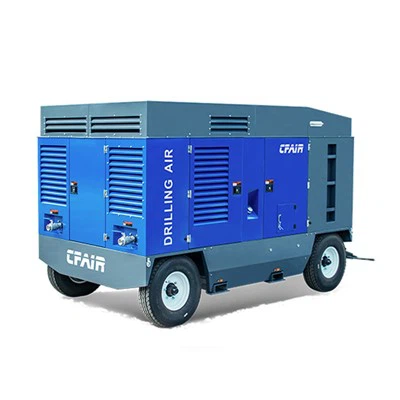
Can an oil-free air compressor be used for pharmaceutical production?
In the realm of pharmaceutical production, the quality and purity of every element involved are of utmost importance. One such crucial component is the air used in various processes. This brings us to the question: Can an oil-free air compressor be used for pharmaceutical production? As a supplier of Oil Free Air Compressors, I am well - versed in the capabilities and benefits of these machines in the pharmaceutical industry.
The Requirements of Pharmaceutical Production
Pharmaceutical manufacturing is a highly regulated and precise process. The air used in these facilities must meet strict standards to ensure the safety and efficacy of the final products. Contaminants such as oil, dust, and microorganisms can have a detrimental impact on the quality of pharmaceuticals. For example, oil particles can contaminate the drugs during the manufacturing process, leading to potential health risks for patients. Moreover, the presence of dust or microbial contaminants can cause spoilage or reduce the shelf - life of the products.
How Oil - Free Air Compressors Meet These Requirements
Purity of Compressed Air
Oil - free air compressors, as the name suggests, do not use oil in the compression chamber. This eliminates the risk of oil contamination in the compressed air. In a pharmaceutical production environment, this is a game - changer. The air produced by these compressors is clean and free from oil residues, which is essential for processes such as tablet coating, aseptic filling, and pneumatic conveying of powders.
For instance, in tablet coating, a thin layer of coating is applied to the tablets. Any oil in the compressed air used for this process could lead to uneven coating, affecting the appearance and dissolution rate of the tablets. With an Oil Free Air Compressor, the coating process can be carried out with high precision, ensuring consistent quality of the tablets.
Reduced Microbial Growth
Oil can provide a breeding ground for microorganisms. Since oil - free air compressors do not have oil in the system, the risk of microbial growth is significantly reduced. This is crucial in pharmaceutical production, where maintaining a sterile environment is a top priority. In aseptic filling processes, where drugs are filled into containers under sterile conditions, the use of oil - free compressed air helps to prevent the introduction of harmful microorganisms into the product.
Energy Efficiency and Reliability
Many modern oil - free air compressors are designed with energy - efficient features. This is beneficial for pharmaceutical companies, as it can lead to cost savings in the long run. Additionally, these compressors are often more reliable, with fewer maintenance requirements compared to oil - lubricated compressors. This means less downtime in the production process, which is essential for meeting production targets and ensuring a steady supply of pharmaceuticals.
Case Studies in Pharmaceutical Production
Let's take a look at some real - world examples of how oil - free air compressors are being used in pharmaceutical production. A large pharmaceutical company was facing issues with oil contamination in their tablet production line. After switching to an oil - free air compressor, they noticed a significant improvement in the quality of their tablets. The rejection rate due to coating defects decreased from 5% to less than 1%. This not only saved the company money but also enhanced their reputation in the market.
Another pharmaceutical firm was struggling with microbial contamination in their aseptic filling area. By installing an Oil Free Compressors, they were able to achieve a much lower microbial count in the compressed air, which led to a reduction in product recalls and an increase in customer satisfaction.
Challenges and Considerations
While oil - free air compressors offer many advantages for pharmaceutical production, there are also some challenges and considerations. One of the main challenges is the initial cost. Oil - free air compressors are generally more expensive than their oil - lubricated counterparts. However, it is important to consider the long - term benefits, such as reduced maintenance costs, improved product quality, and compliance with regulatory requirements.
Another consideration is the need for proper filtration. Even though oil - free air compressors produce clean air, additional filtration may be required to remove any remaining dust or microbial contaminants. Pharmaceutical companies need to work with experienced suppliers to design a comprehensive air treatment system that meets their specific needs.


Conclusion
In conclusion, oil - free air compressors are indeed suitable for pharmaceutical production. They offer clean, oil - free compressed air, reduced microbial growth, energy efficiency, and reliability. While there are some challenges and considerations, the benefits far outweigh the drawbacks. As a supplier of oil - free air compressors, I have seen firsthand how these machines can transform the pharmaceutical production process.
If you are a pharmaceutical manufacturer looking to improve the quality of your products, increase efficiency, and ensure compliance with regulatory standards, I encourage you to consider using oil - free air compressors. Our team of experts can work with you to understand your specific requirements and provide the best solution for your production facility. Contact us today to start a conversation about how our Oil Free Air Compressors can benefit your pharmaceutical production process.
References
- Smith, J. (2018). "The Role of Compressed Air in Pharmaceutical Manufacturing." Journal of Pharmaceutical Technology.
- Johnson, A. (2019). "Oil - Free Air Compressors: A Solution for Clean Production in the Pharmaceutical Industry." International Journal of Pharmaceutical Engineering.
- Brown, C. (2020). "Case Studies of Oil - Free Air Compressor Implementation in Pharmaceutical Plants." Pharmaceutical Production Review.